Race and LGBTQ Identity: Navigating Intersectional Challenges
The journey of self-discovery and acceptance is a unique experience for everyone. For individuals who identify as both a racial minority and part of the LGBTQ community, this journey is often layered with additional complexities. Understanding these intersectional challenges is crucial for fostering a more inclusive society. In this blog post, we’ll explore how race and LGBTQ identity intersect and the unique hurdles faced by individuals navigating these identities.
Table of Contents
1. Introduction
2. Understanding Intersectionality
3. The Role of Cultural Identity
4. Social Challenges and Discrimination
5. Mental Health Implications
6. Building Supportive Communities
7. Conclusion
8. FAQs
Understanding Intersectionality
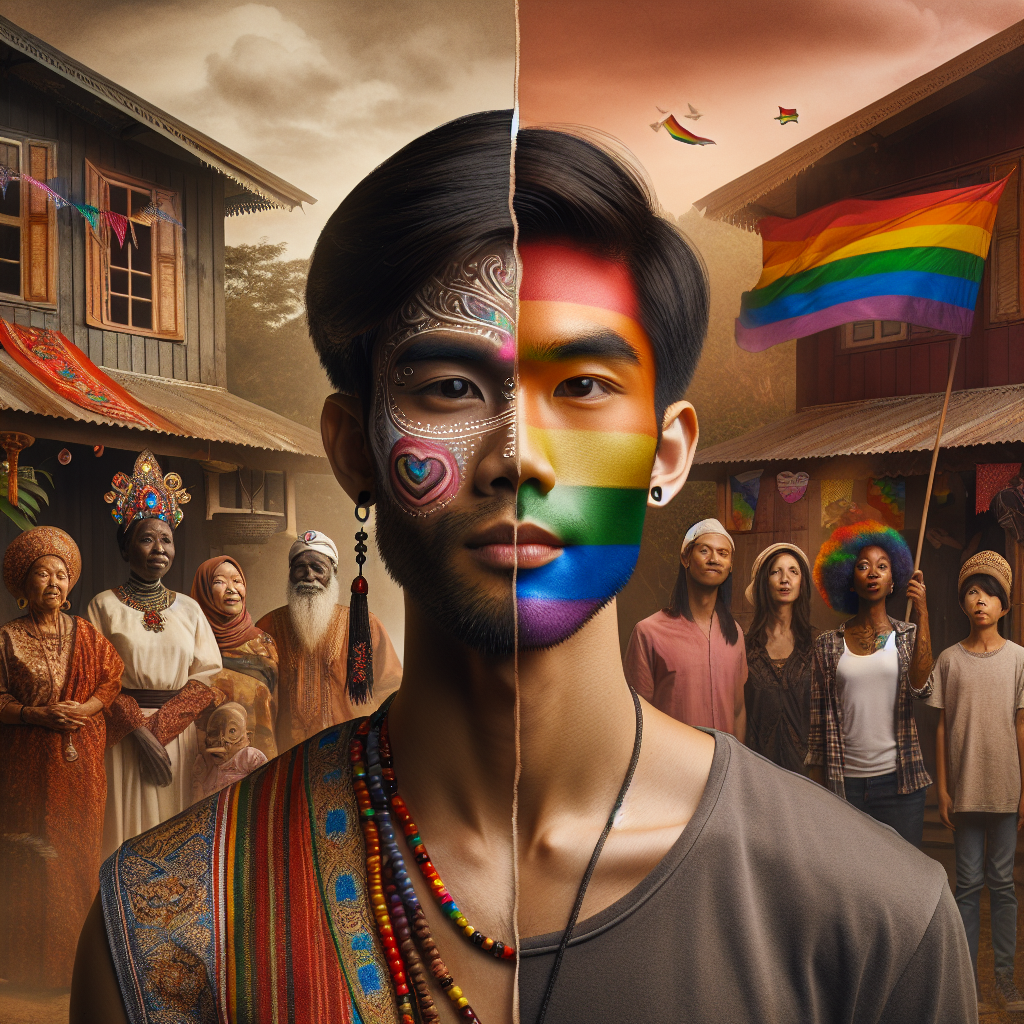
Intersectionality is a term coined by Kimberlé Crenshaw, highlighting how various forms of social stratification, such as race, gender, and sexual orientation, can intersect and create unique experiences of discrimination and privilege. For those who are both a racial minority and identify as LGBTQ, these intersecting identities can compound the challenges they face in society.
🌈 Imagine navigating a world where you are constantly trying to balance two identities that may not always align with mainstream norms. It’s like being on a tightrope where the stakes are high, and the fall is steep.

The Role of Cultural Identity
Cultural identity plays a significant role in how individuals perceive themselves and are perceived by others. For many people of color within the LGBTQ community, cultural expectations can sometimes clash with their sexual orientation or gender identity. This clash can lead to a sense of alienation from one’s cultural community.
For instance, in some African, Asian, and Latinx communities, traditional views on gender roles and sexuality can make it difficult for LGBTQ individuals to come out or feel accepted. This can lead to a dual sense of belonging and alienation, where individuals may feel they are neither fully accepted by their racial group nor the wider LGBTQ community.
Social Challenges and Discrimination
Discrimination can manifest in various ways for individuals at the intersection of race and LGBTQ identity. They may experience racism within the LGBTQ community and homophobia or transphobia within their racial or ethnic communities. This dual discrimination can be exhausting and isolating.
For example, a Black transgender woman might face racial discrimination in predominantly white LGBTQ spaces, while also encountering transphobia in predominantly Black spaces. This double marginalization highlights the need for a more inclusive approach within all communities.
Mental Health Implications
The stress of navigating these intersecting identities can take a significant toll on mental health. Studies have shown that individuals who face discrimination on multiple fronts are at a higher risk for mental health issues, including anxiety, depression, and suicidal ideation.
It’s crucial for mental health professionals to understand the unique experiences of these individuals and offer culturally competent care that addresses the intersectional nature of their identities.
Building Supportive Communities
Creating supportive communities is essential for individuals navigating the intersection of race and LGBTQ identity. This involves fostering environments where people feel safe and accepted for who they are, without having to compartmentalize parts of their identity.
🫂 Organizations and support groups that focus on specific racial and LGBTQ experiences can provide a sense of belonging and understanding. Allies can also play a vital role by educating themselves about intersectionality and advocating for inclusive policies.
Conclusion
Understanding and addressing the intersectional challenges faced by individuals at the crossroads of race and LGBTQ identity is crucial for building a more inclusive society. By acknowledging these complexities, we can work towards creating spaces where everyone feels valued and accepted. Let’s strive for a world where diversity is celebrated, not just tolerated.
FAQs
What is intersectionality?
Intersectionality is a framework for understanding how various forms of social stratification, such as race, gender, and sexual orientation, intersect to create unique experiences of discrimination and privilege.
How can I support someone navigating these intersectional challenges?
Listen to their experiences, educate yourself on intersectionality, and advocate for inclusive spaces that recognize and celebrate diverse identities.
What role do cultural identity and community play in these experiences?
Cultural identity is crucial as it shapes how individuals perceive themselves and are perceived by others, influencing their sense of belonging and acceptance within both their racial and LGBTQ communities.
By understanding and addressing these intersectional challenges, we can contribute to a more inclusive and empathetic world. Let’s make sure everyone feels seen, heard, and valued. 🌍❤️