

Religion and LGBTQ Acceptance: Building a Bridge of Understanding
In a world that is increasingly interconnected yet diverse, the dialogue between religion and LGBTQ acceptance is more crucial than ever. Many individuals grapple with reconciling their faith with the principles of equality and acceptance. This blog post aims to explore how we can bridge the gap, fostering understanding and compassion in both communities.
Table of Contents
1. Introduction to Religion and LGBTQ Dynamics
2. Historical Context: Religion and LGBTQ Rights
3. Modern Perspectives on LGBTQ Acceptance in Religious Communities
4. Building Bridges: How to Foster Understanding
5. Personal Stories: Voices from Both Sides
6. FAQs
7. Conclusion: Towards a Harmonious Future
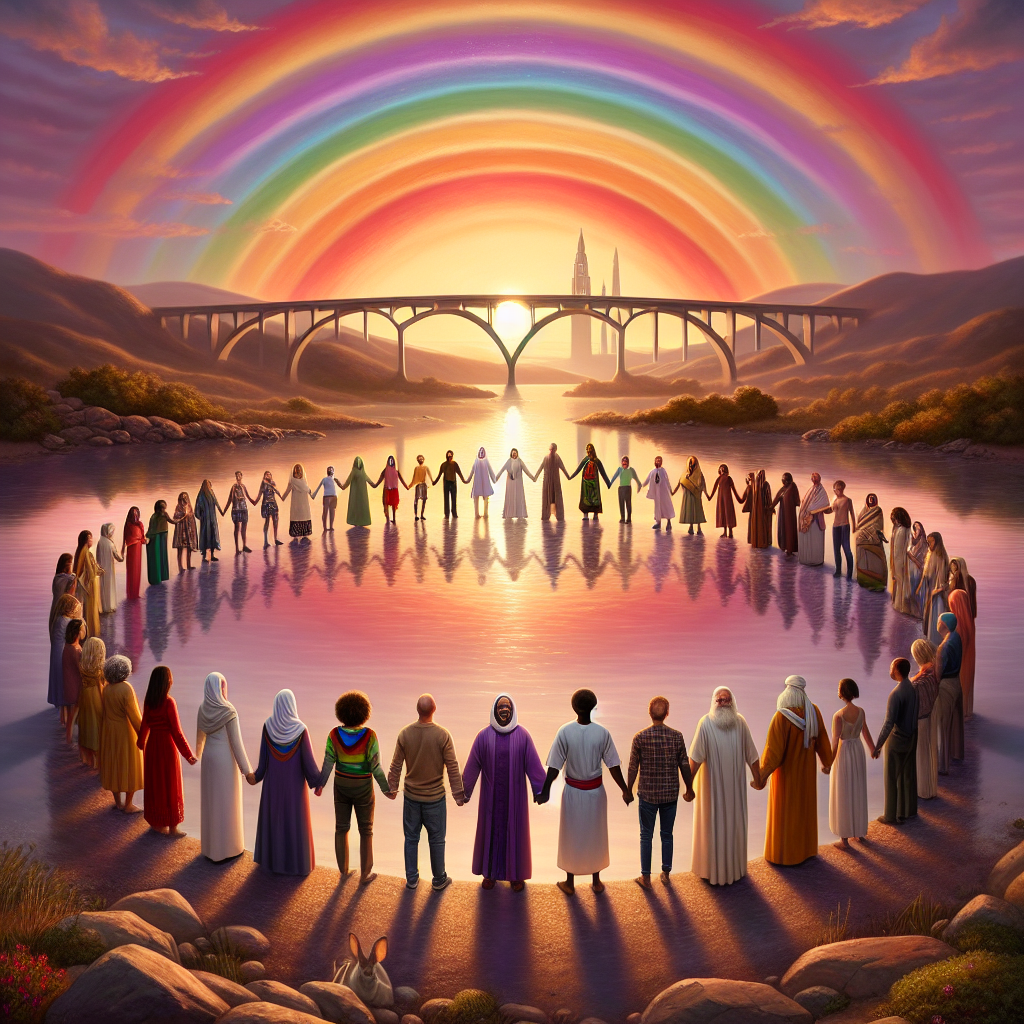
Introduction to Religion and LGBTQ Dynamics
Religion has been a cornerstone of human society for centuries, providing moral guidance and a sense of community. However, the relationship between religious doctrines and LGBTQ acceptance has often been fraught with tension. As society evolves, so too does the conversation around this complex intersection. Finding common ground requires empathy, open dialogue, and a willingness to embrace diversity.
Historical Context: Religion and LGBTQ Rights
Historically, many religious doctrines have not been supportive of LGBTQ rights, often citing traditional interpretations of sacred texts. For example, various passages in the Bible, the Quran, and other religious scriptures have been interpreted as condemning same-sex relationships. However, interpretations have varied widely, and some religious leaders have sought to reinterpret these texts to be more inclusive.
In recent decades, the fight for LGBTQ rights has gained momentum, leading to significant legal and societal changes. Despite these advances, many religious communities continue to struggle with the integration of LGBTQ individuals, often leading to internal conflict and debate.

Modern Perspectives on LGBTQ Acceptance in Religious Communities
Today, numerous religious communities are re-evaluating their stance on LGBTQ issues. Progressive religious leaders and organizations have emerged, advocating for inclusivity and acceptance. They argue that the core tenets of love, compassion, and understanding should extend to all individuals, regardless of sexual orientation or gender identity.
For instance, some Christian denominations have embraced LGBTQ members, officiating same-sex marriages and ordaining LGBTQ clergy. Similarly, progressive Jewish and Muslim communities are engaging in dialogues to reconcile faith with LGBTQ acceptance. These efforts, while not universal, represent a significant shift in traditional religious narratives.
Building Bridges: How to Foster Understanding
Building a bridge between religion and LGBTQ communities requires a multifaceted approach. Here are several strategies that can help:
1. Education and Awareness: Educating religious communities about LGBTQ issues is crucial. Workshops, seminars, and open forums can provide a platform for learning and discussion, helping to dispel myths and stereotypes.
2. Dialogue and Communication: Encouraging open, respectful conversations between religious and LGBTQ individuals can help build empathy and understanding. Listening to personal stories and experiences can humanize the issues at hand.
3. Inclusive Leadership: Religious leaders play a pivotal role in shaping community attitudes. Leaders who advocate for inclusivity and acceptance can inspire their followers to embrace diversity.
4. Collaborative Initiatives: Joint initiatives between religious and LGBTQ organizations can foster mutual respect and cooperation. These initiatives might include community service projects, interfaith gatherings, or advocacy campaigns.
Personal Stories: Voices from Both Sides
Personal stories can illuminate the challenges and triumphs faced by individuals at the intersection of religion and LGBTQ identity. For example, Sarah, a devout Christian and lesbian, shares how her church community eventually became her strongest support system. Meanwhile, Ahmed, a gay Muslim, describes his journey of acceptance within his religious community, highlighting the importance of dialogue and education.
These stories, among countless others, demonstrate the potential for understanding and connection when individuals are willing to engage with open hearts and minds.
FAQs
Q: Can religious beliefs and LGBTQ rights coexist?
A: Yes, many religious communities are finding ways to harmonize their beliefs with LGBTQ rights through reinterpretation of texts and emphasis on core values of love and acceptance.
Q: How can I support LGBTQ individuals in my religious community?
A: Educate yourself and others, promote open dialogue, and advocate for inclusive practices within your community.
Q: Are there religious organizations that support LGBTQ rights?
A: Yes, numerous religious organizations actively support LGBTQ rights, including some denominations within Christianity, Judaism, and Islam.
Conclusion: Towards a Harmonious Future
The journey towards understanding and acceptance between religious and LGBTQ communities is ongoing. By embracing dialogue, education, and empathy, we can build bridges that connect us rather than divide us. As we move forward, let us remember that love and compassion are universal values that transcend any differences. Together, we can create a more inclusive and harmonious world for all. 🌈🙏