Honoring LGBTQ Creators: Celebrating Artistic Contributions
The world of art has always been a vibrant tapestry of diverse voices and perspectives. Among these voices, LGBTQ creators have played a pivotal role in shaping culture and challenging societal norms. From groundbreaking films to evocative paintings, the contributions of LGBTQ individuals have enriched our global artistic heritage. In this blog post, we will delve into the incredible impact of LGBTQ artists, exploring their stories, struggles, and successes.
Table of Contents
1. Introduction
2. The Historical Impact of LGBTQ Creators
3. Contemporary LGBTQ Voices in Art
4. Challenges Faced by LGBTQ Artists
5. Celebrating LGBTQ Art Through Festivals and Exhibitions
6. Conclusion
7. FAQs
The Historical Impact of LGBTQ Creators
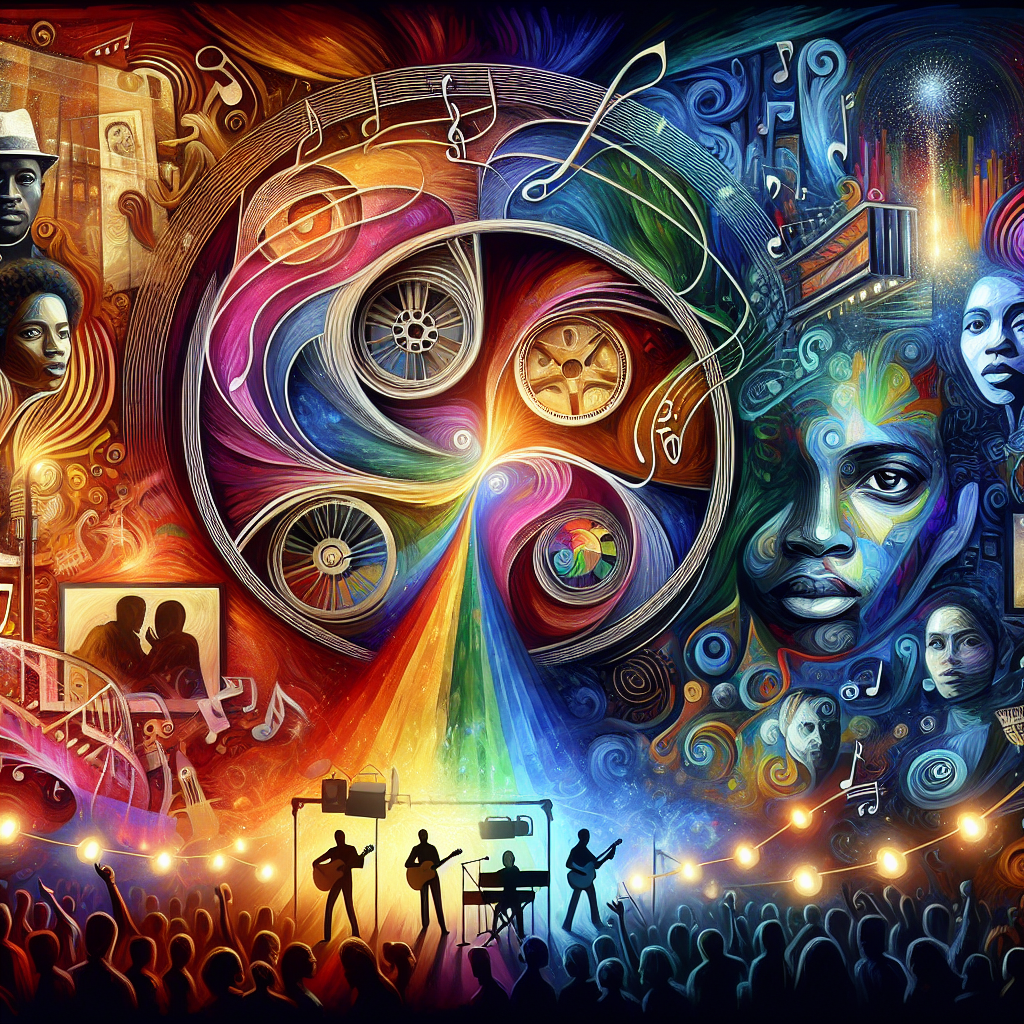
From the opulent courts of Renaissance Europe to the jazz-infused streets of Harlem, LGBTQ artists have been integral to various artistic movements throughout history. Figures like Leonardo da Vinci, who is widely believed to have been gay, revolutionized the art world with works that continue to captivate audiences today. Similarly, the poignant prose of Virginia Woolf and the groundbreaking photography of Robert Mapplethorpe have left indelible marks on literature and visual art, respectively.
Contemporary LGBTQ Voices in Art
Today, the influence of LGBTQ creators continues to flourish across all artistic disciplines. In film, directors like Pedro Almodóvar and Gus Van Sant offer narratives that highlight LGBTQ experiences with authenticity and nuance. Music icons such as Janelle Monáe and Sam Smith use their platform to advocate for equality and representation, crafting songs that resonate with audiences worldwide. Meanwhile, visual artists like Kehinde Wiley and Zanele Muholi create powerful works that celebrate identity and challenge stereotypes.
Challenges Faced by LGBTQ Artists
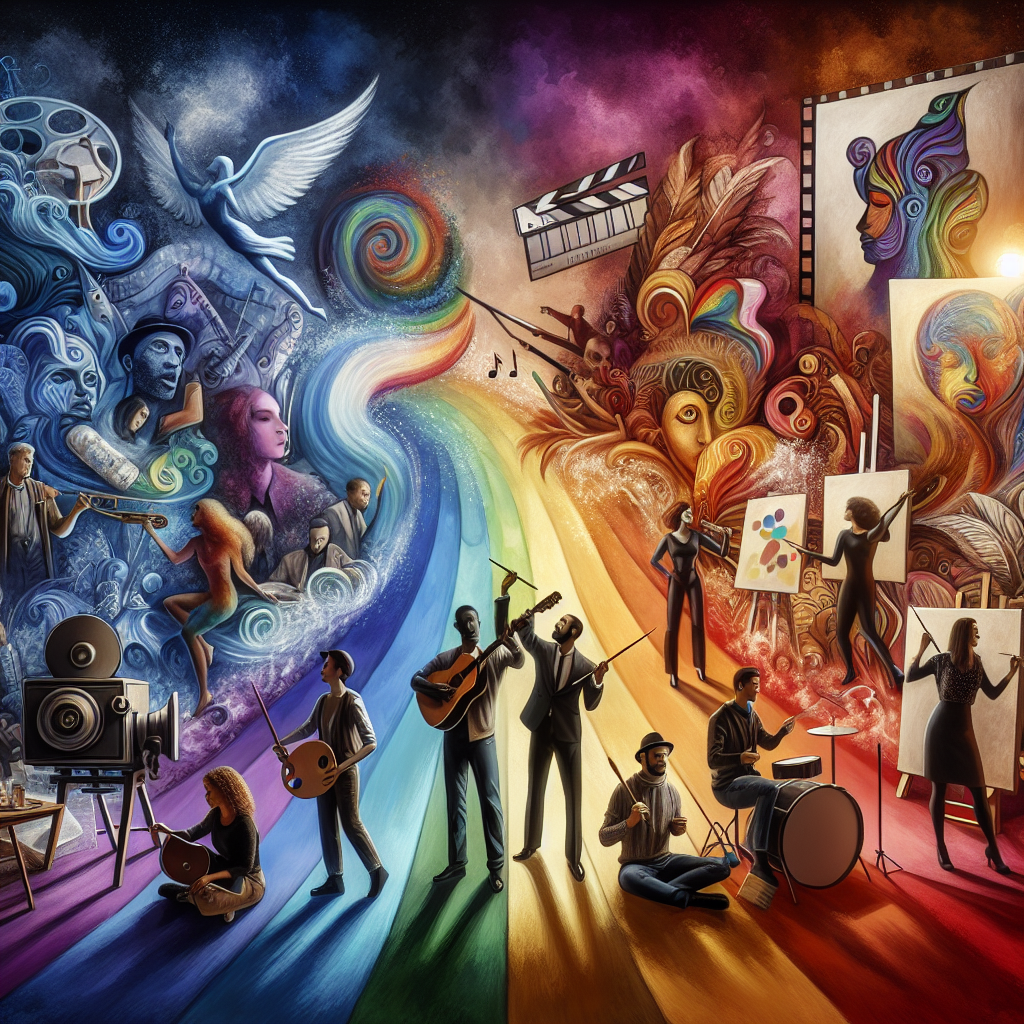
Despite their significant contributions, LGBTQ artists often encounter unique challenges. Many face discrimination and censorship, which can stifle creativity and limit exposure. The struggle for acceptance and recognition can be daunting, but these obstacles often fuel the resilience and determination of LGBTQ creators. Organizations and allies play a crucial role in supporting these artists, providing platforms where their voices can be heard and appreciated.
Celebrating LGBTQ Art Through Festivals and Exhibitions
Art festivals and exhibitions dedicated to LGBTQ creators offer essential avenues for showcasing their work. Events like the Outfest Film Festival and the Queer Biennial celebrate diversity and innovation, providing artists with the opportunity to connect with audiences and fellow creators. These platforms not only highlight the artistic achievements of LGBTQ individuals but also foster community and dialogue, paving the way for greater understanding and acceptance.
In addition to these events, social media has become a powerful tool for LGBTQ artists to share their work and engage with a global audience. Platforms like Instagram and TikTok offer unprecedented access to diverse perspectives, enabling creators to build communities that transcend geographical boundaries.
Conclusion
Honoring LGBTQ creators means recognizing the profound impact they have on our culture and society. Through their art, they challenge conventions, inspire change, and advocate for a world where everyone can express their true selves. As we celebrate their contributions, it is crucial to continue supporting and amplifying LGBTQ voices, ensuring that their stories are heard and their talents are recognized.
FAQs
What are some famous LGBTQ art festivals?
Some well-known LGBTQ art festivals include Outfest Film Festival, Frameline, and the Queer Biennial, each offering unique platforms for LGBTQ creators to showcase their work.
How can I support LGBTQ artists?
Support can be shown by attending LGBTQ art events, purchasing art from LGBTQ creators, sharing their work on social media, and engaging with their stories and messages.
Why is representation important in art?
Representation in art is vital as it reflects diverse perspectives and experiences, fostering empathy and understanding while challenging societal norms.
Can LGBTQ art influence social change?
Absolutely. LGBTQ art has historically been a catalyst for social change, providing a platform for marginalized voices and advocating for equality and acceptance.
Let us continue to celebrate and uplift the voices of LGBTQ artists, acknowledging their invaluable contributions to our cultural tapestry. 🌈🎨