Intersectionality in the LGBTQ Community: Navigating Multiple Identities
In today’s diverse world, the concept of identity is more complex than ever. For members of the LGBTQ community, intersectionality plays a crucial role in how individuals experience and navigate their identities. Intersectionality refers to the interconnected nature of social categorizations such as race, class, and gender, which can create overlapping and interdependent systems of discrimination or disadvantage. 🌈
What is Intersectionality?
Intersectionality is a term coined by Kimberlé Crenshaw in 1989, initially to address the multiple forms of discrimination faced by African-American women. Over time, this concept has expanded to include various overlapping identities that people navigate daily. It’s a framework for understanding how aspects of a person’s social and political identities combine to create different modes of discrimination and privilege.
Understanding Intersectionality in the LGBTQ Community
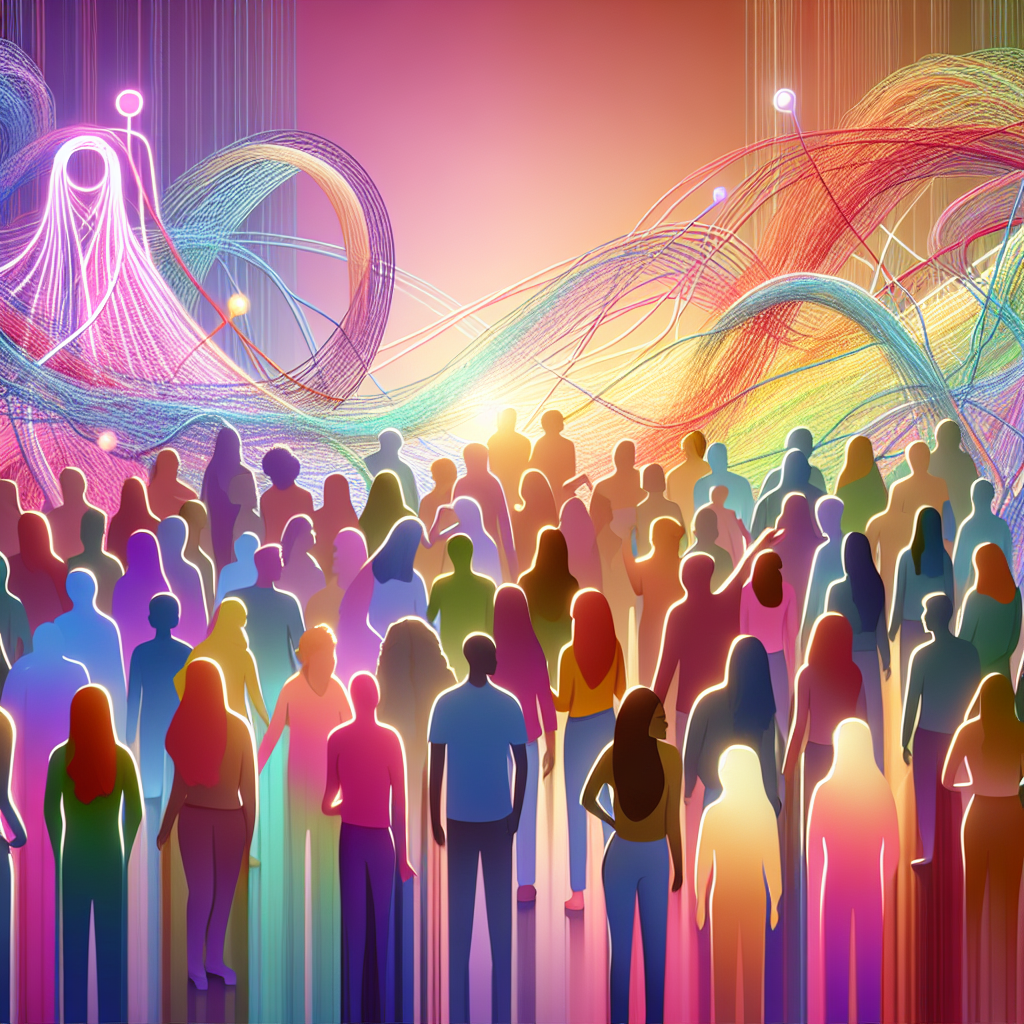
For those within the LGBTQ community, intersectionality is not just a theoretical concept—it’s a lived reality. Members often find themselves at the crossroads of multiple identities, each contributing to unique experiences of both privilege and oppression. Let’s dive into how intersectionality manifests within this vibrant community.
Race and Sexual Orientation
One of the most significant intersections within the LGBTQ community is that of race and sexual orientation. People of color who identify as LGBTQ often face a double burden of discrimination—racism and homophobia or transphobia. For example, a Black transgender woman may encounter racism within the LGBTQ community and transphobia within her racial community. This dual discrimination can lead to feelings of isolation and marginalization.
Gender Identity and Socioeconomic Status
Gender identity and socioeconomic status also intersect in profound ways. Transgender individuals, in particular, face high rates of unemployment and poverty due to discrimination in the workplace. This economic disadvantage can compound with gender identity, making it challenging to access necessary healthcare or housing. The struggle for economic stability is an ongoing battle that affects many within the LGBTQ community.
Religion and LGBTQ Identity
Religion is another critical axis of identity that can conflict with LGBTQ identity. Many religious doctrines have historically opposed LGBTQ rights, leading to internal and external conflicts for individuals who identify with both. Navigating these identities often requires a delicate balance of maintaining one’s faith while embracing their sexuality or gender identity, which can be a deeply personal and complex journey.
Cultural Impacts of Intersectionality
Cultural background plays a significant role in shaping the experiences of LGBTQ individuals. Cultural norms and expectations can influence how people perceive and express their identities, sometimes leading to additional layers of complexity.
For instance, in cultures where family honor and reputation are paramount, coming out as LGBTQ might be perceived as a cultural betrayal. The fear of disappointing family or being ostracized can be a significant barrier for many LGBTQ individuals.
The Challenges of Navigating Multiple Identities
Navigating multiple identities can be challenging, especially when societal structures are not designed to accommodate such complexities. Intersectionality often means that individuals face unique challenges that are not addressed by traditional LGBTQ advocacy, which sometimes focuses on single-axis issues.
Support systems, both formal and informal, play a crucial role in helping individuals reconcile their intersecting identities. Community organizations that acknowledge intersectionality and provide tailored support can make a significant difference in the lives of those struggling with multiple identities.
Moving Forward: Embracing Intersectionality
Understanding and embracing intersectionality within the LGBTQ community is not just beneficial—it’s necessary. By recognizing the diverse experiences and challenges faced by individuals at the intersections of multiple identities, we can work towards more inclusive and comprehensive advocacy efforts.
Creating spaces where all voices are heard and valued, regardless of race, gender, class, or any other identity, is essential for fostering a truly inclusive community. As society becomes more aware of intersectionality, there is hope for broader acceptance and equality for everyone.
Conclusion
Intersectionality within the LGBTQ community highlights the complexity of human identity and the ways in which various aspects of our lives interact. By acknowledging and addressing these intersections, we can move towards a more inclusive and understanding society. The journey of navigating multiple identities is personal and ongoing, but it is also a powerful testament to the resilience and diversity of the human spirit. 🌟
FAQs
What does intersectionality mean? Intersectionality refers to the interconnected nature of social categorizations such as race, class, and gender, which create overlapping systems of discrimination or disadvantage.
How does intersectionality affect the LGBTQ community? Intersectionality affects the LGBTQ community by influencing how individuals experience discrimination and privilege based on their multiple identities, such as race, gender identity, and socioeconomic status.
Why is understanding intersectionality important? Understanding intersectionality is crucial for creating inclusive policies and support systems that address the unique challenges faced by individuals with multiple intersecting identities.
How can we support intersectionality within the LGBTQ community? Support can be provided by creating inclusive spaces, acknowledging diverse experiences, and advocating for policies that address the needs of those with intersecting identities.