Breaking Down LGBTQ Stereotypes: Promoting Authentic Representation
In today’s diverse world, understanding and embracing different identities is more important than ever. Yet, the LGBTQ community often finds itself trapped in narrow stereotypes that don’t reflect the rich tapestry of its reality. This blog post aims to break down these stereotypes and promote authentic representation, fostering a more inclusive society for everyone. 🌈
Table of Contents
1. Introduction to LGBTQ Stereotypes
2. The Impact of Stereotypes on the LGBTQ Community
3. The Importance of Authentic Representation
4. Steps Towards Promoting Authentic Representation
5. Conclusion
6. FAQs
Introduction to LGBTQ Stereotypes
The term “stereotype” refers to oversimplified and fixed ideas about a group of people. In the context of LGBTQ individuals, these stereotypes can be harmful, painting broad strokes over a community that is incredibly diverse. Common stereotypes include the flamboyant gay man, the tomboyish lesbian, or the over-sexualized bisexual person. These clichés are not only inaccurate but also limit the understanding of LGBTQ identities in the wider society.
The Impact of Stereotypes on the LGBTQ Community
Stereotypes can have a profound impact on individuals and the community as a whole. They often lead to discrimination, marginalization, and internalized homophobia. When people are constantly exposed to one-dimensional portrayals, it can limit their understanding of the LGBTQ experience and perpetuate biases.
For many LGBTQ individuals, these stereotypes can create pressure to conform to societal expectations, leading to a loss of authenticity. This can result in mental health issues, such as anxiety and depression, as individuals struggle to reconcile their true selves with the distorted images projected by society.
The Importance of Authentic Representation
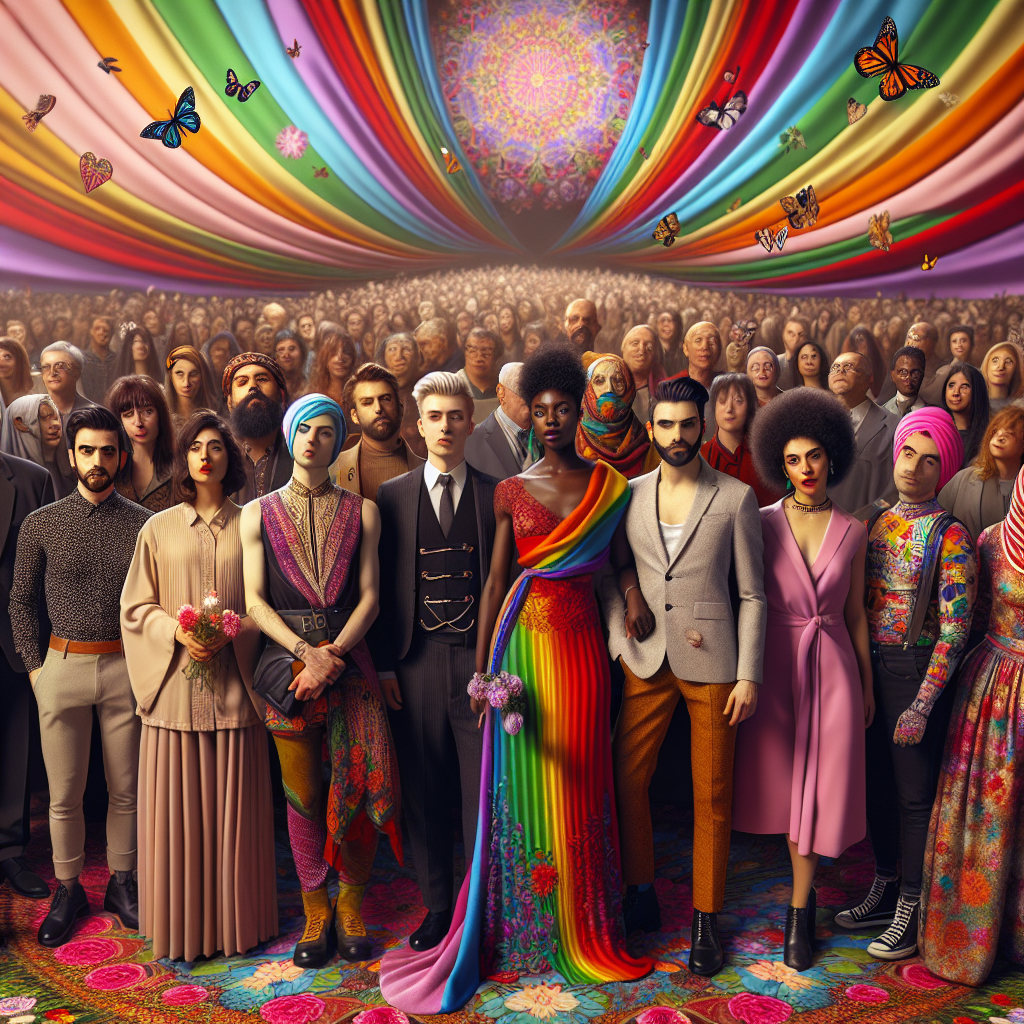
Authentic representation matters. It provides visibility to diverse experiences and identities within the LGBTQ community, helping to dismantle stereotypes. When media, literature, and public figures showcase real-life stories and diverse narratives, it fosters empathy and understanding among different communities.
Authentic representation also empowers LGBTQ individuals by validating their identities and experiences. It can inspire younger generations to embrace their true selves and offer hope in the face of adversity. Moreover, it encourages allies to better support the LGBTQ community by providing a more nuanced understanding of its diversity.
Steps Towards Promoting Authentic Representation
1. Educate Yourself and Others
Education is the first step toward breaking down stereotypes. By learning about the history, struggles, and achievements of the LGBTQ community, individuals can develop a deeper understanding of its diversity. Share this knowledge with friends, family, and colleagues to challenge misconceptions and foster a more inclusive environment.
2. Support Diverse Media and Literature
Seek out and support films, TV shows, books, and other media that offer authentic portrayals of LGBTQ characters and stories. By prioritizing content created by LGBTQ individuals, you help elevate diverse voices and encourage the production of more inclusive media.
3. Engage with the Community
Attend LGBTQ events, participate in forums, and engage with community organizations to gain first-hand insights into the experiences of LGBTQ individuals. This involvement can help build empathy and understanding, breaking down stereotypes through personal connection.
4. Advocate for Change
Use your voice to advocate for policies and practices that promote authentic representation in media, education, and the workplace. By supporting LGBTQ-inclusive initiatives, you contribute to a culture that values diversity and authenticity.
Conclusion
Breaking down LGBTQ stereotypes and promoting authentic representation is a collective effort that requires education, empathy, and action. By embracing the diversity within the LGBTQ community and advocating for inclusive practices, we can work towards a more understanding and accepting society. Let’s celebrate the richness of LGBTQ identities and ensure that everyone feels seen, heard, and valued. 🌟
FAQs
Q1: Why is it important to challenge LGBTQ stereotypes?
Challenging stereotypes is crucial because they perpetuate misinformation and bias, leading to discrimination and marginalization of the LGBTQ community. Breaking these stereotypes helps promote understanding and acceptance.
Q2: How can I support authentic representation of the LGBTQ community?
You can support authentic representation by educating yourself, consuming and promoting diverse media, engaging with the community, and advocating for inclusive policies and practices.
Q3: What role does media play in shaping perceptions of the LGBTQ community?
Media plays a significant role in shaping public perceptions by either reinforcing stereotypes or challenging them through diverse and authentic portrayals of LGBTQ characters and stories.
Q4: How does authentic representation impact LGBTQ individuals?
Authentic representation validates the experiences of LGBTQ individuals, empowering them and encouraging them to embrace their true identities. It also provides role models and fosters a sense of belonging.