

The Importance of Diversity in Strengthening Society
Diversity is more than just a buzzword—it’s the backbone of a thriving and prosperous society. From enhancing creativity to fostering innovation, the benefits of diversity are far-reaching and impactful. Let’s delve into why diversity is essential for strengthening society and how it contributes to a more vibrant and resilient community.
Table of Contents
1. Introduction
2. Embracing Cultural Diversity
3. Driving Innovation and Creativity
4. Economic Advantages of Diversity
5. Social Benefits and Community Cohesion
6. Challenges and Overcoming Barriers
7. Conclusion
8. FAQs
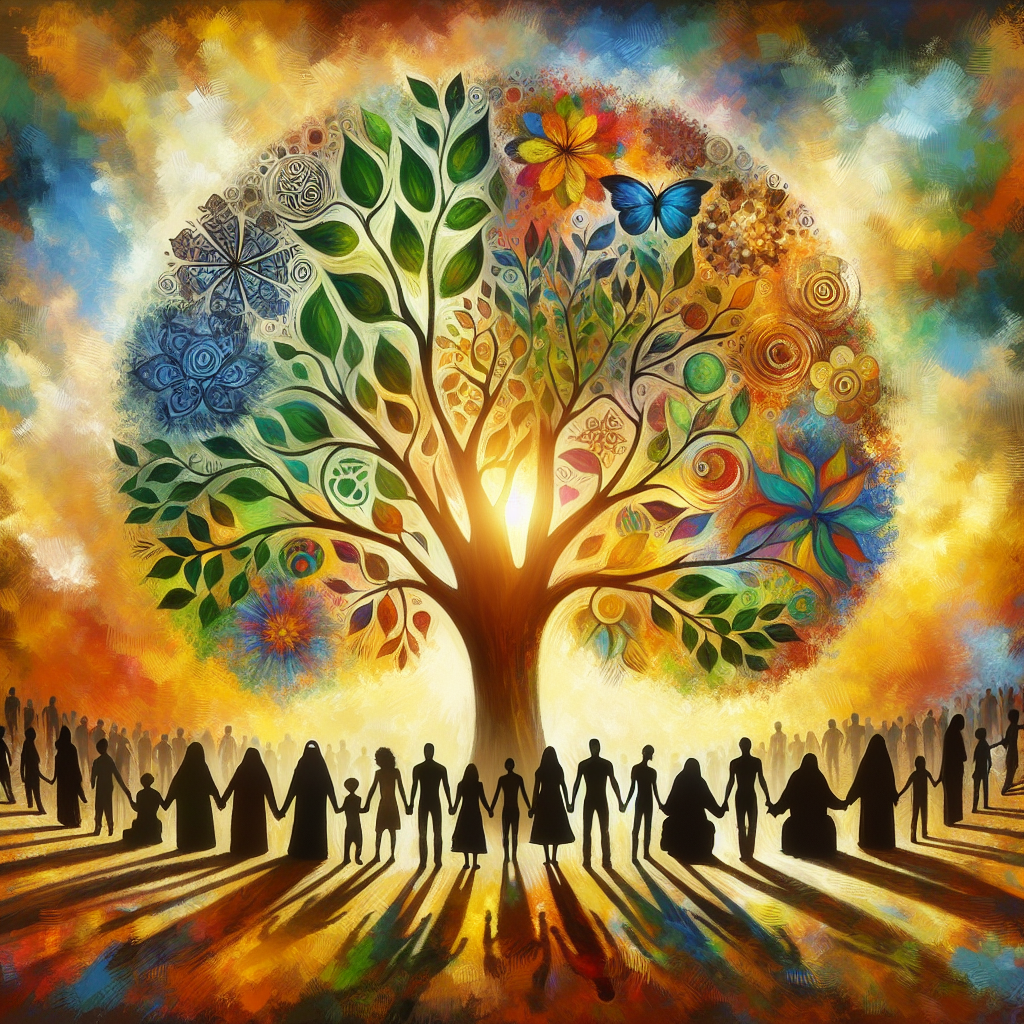
Introduction
In an increasingly globalized world, diversity has become more important than ever. It involves recognizing and appreciating the unique characteristics that individuals bring to the table, including race, ethnicity, gender, age, religion, and more. But why is diversity so crucial for society? 🌍
Embracing Cultural Diversity
Diversity enriches our lives by introducing us to different cultures, languages, and perspectives. By embracing cultural diversity, we open ourselves up to new experiences and ideas, which can lead to a deeper understanding of the world around us. This cultural exchange fosters empathy and reduces prejudices, creating a more harmonious and inclusive society.

Driving Innovation and Creativity
Diverse teams are more innovative and creative. When people from different backgrounds come together, they bring unique viewpoints and problem-solving approaches. This diversity of thought leads to groundbreaking ideas and solutions that might not emerge in a homogeneous group. In fact, studies have shown that companies with diverse workforces are more likely to outperform their competitors.
Economic Advantages of Diversity
Diversity isn’t just good for society—it’s also good for business. A diverse workforce can help organizations better understand and meet the needs of their diverse customer base. This can lead to increased market share and profitability. Moreover, diversity in the workplace attracts top talent, as many individuals seek inclusive environments where they can thrive and contribute meaningfully.
Social Benefits and Community Cohesion
Diverse communities tend to be more resilient and cohesive. When people from different backgrounds live and work together, they build stronger social bonds and develop a shared sense of belonging. This can lead to reduced crime rates, improved public health, and overall better quality of life for everyone involved. Diversity also encourages mutual respect and cooperation, which are essential for addressing societal challenges.
Challenges and Overcoming Barriers
While the benefits of diversity are clear, achieving it isn’t always easy. Societal barriers such as discrimination, prejudice, and systemic inequalities can hinder progress. However, by actively promoting inclusivity and addressing these issues head-on, we can create a more equitable society. Education, policy changes, and open dialogues are crucial in overcoming these barriers and fostering a culture of acceptance and respect.
Conclusion
Diversity is a powerful tool that strengthens society in countless ways. By embracing the differences that make us unique, we can build more innovative, inclusive, and prosperous communities. It’s up to each of us to champion diversity in our personal and professional lives, ensuring that everyone has the opportunity to contribute and thrive. Together, let’s celebrate and harness the power of diversity to create a better world for all. 🌟
FAQs
Q1: What are the main benefits of diversity in society?
A1: Diversity enhances creativity and innovation, drives economic growth, fosters social cohesion, and promotes empathy and understanding among individuals.
Q2: How can organizations promote diversity?
A2: Organizations can promote diversity by implementing inclusive hiring practices, offering diversity training, and creating a culture of acceptance and respect.
Q3: What challenges can arise from diversity?
A3: Challenges include overcoming prejudices, discrimination, and systemic inequalities. However, addressing these issues through education and open dialogue can lead to a more inclusive society.
Q4: Why is diversity important in the workplace?
A4: Diversity in the workplace leads to greater innovation, improves problem-solving, and helps organizations better serve their diverse customer base, ultimately enhancing business performance.