Erasure Resistance: How the LGBTQ Community Can Defend Its Existence
In a world that often overlooks or misunderstands the vibrant tapestry of LGBTQ experiences, it’s crucial to address the issue of erasure. This blog post explores how the LGBTQ community can protect and amplify its voice, ensuring that its rich history and promising future are never forgotten. 🌈
Table of Contents
1. Understanding Erasure
2. The Importance of Visibility
3. Education and Awareness
4. Building Strong Communities
5. Leveraging Social Media
6. Legal and Political Advocacy
7. Conclusion
8. FAQs
Understanding Erasure
Erasure occurs when a group’s history, culture, and experiences are ignored or denied. For the LGBTQ community, this can mean the omission of queer narratives in education, media, and politics. It’s a subtle but powerful tool that marginalizes and silences voices.
Understanding erasure begins with recognizing its manifestations. It can be as overt as denying the existence of LGBTQ individuals or as covert as omitting significant LGBTQ contributions from history books. By identifying these patterns, the community can begin to strategize against them.
The Importance of Visibility
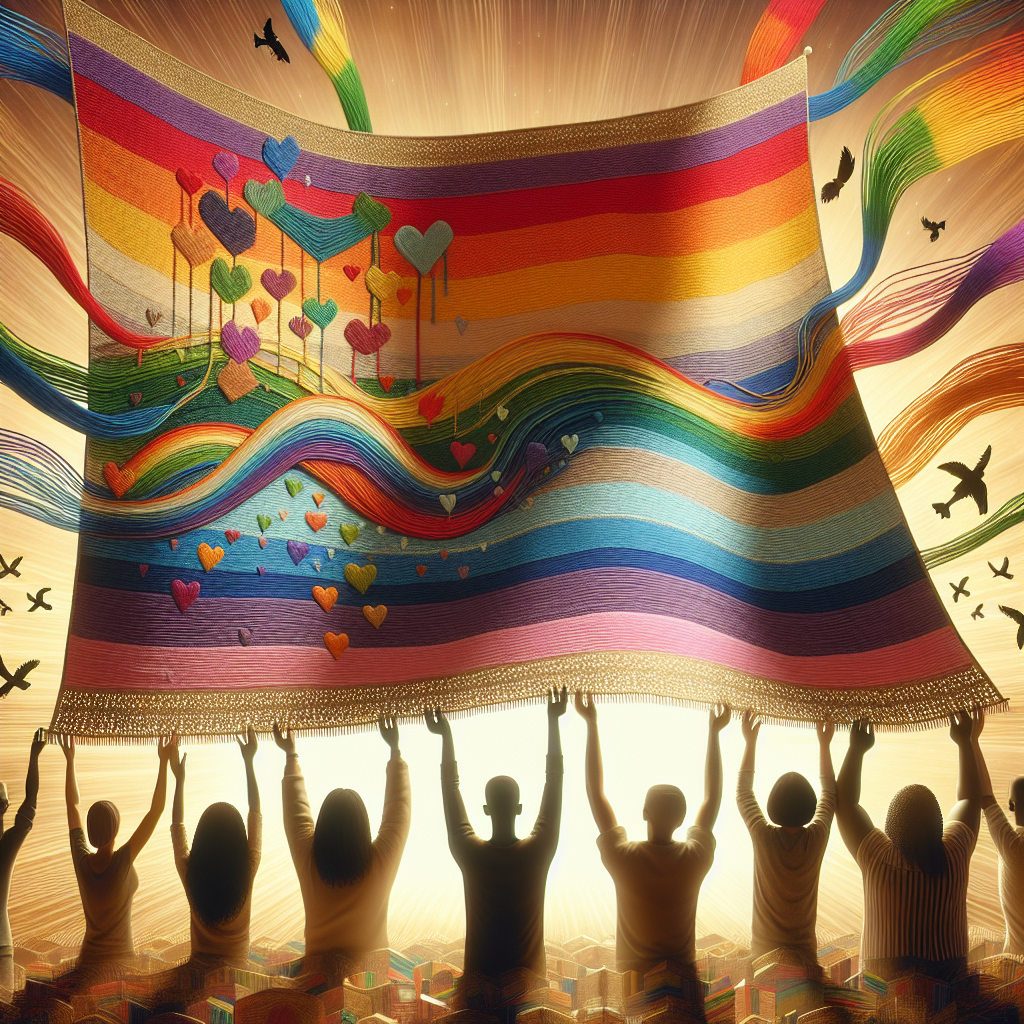
Visibility is the antidote to erasure. When LGBTQ individuals share their stories, they challenge stereotypes and humanize experiences that might otherwise remain abstract concepts to others. Visibility fosters empathy, understanding, and change.
Consider the impact of public figures like Laverne Cox and Billy Porter. Their authenticity and openness have inspired countless others to live their truth while educating the broader public about LGBTQ issues. Visibility is not just about representation; it’s a proclamation of existence.
Education and Awareness
Education is a powerful tool against erasure. By incorporating LGBTQ history and issues into curriculums, schools can foster a more inclusive environment. This approach not only benefits LGBTQ students but also educates their peers, promoting acceptance and understanding from a young age.
Organizations like GLSEN provide resources and training to schools, ensuring that teachers are equipped to address LGBTQ topics sensitively and accurately. By prioritizing education, we can dismantle the ignorance that fuels erasure.
Building Strong Communities
Community is at the heart of resistance. A connected and supportive network can provide the strength needed to oppose erasure. Local LGBTQ centers, Pride events, and online forums offer spaces where individuals can find solidarity and support.
These communities are not just about socializing; they are about strategizing. Together, members can share resources, organize events, and advocate for change. A strong community is a resilient community, capable of withstanding the pressures of erasure.
Leveraging Social Media
In today’s digital age, social media is a powerful tool for visibility and advocacy. Platforms like Twitter, Instagram, and TikTok allow individuals to share their stories and connect with a global audience. These platforms can amplify voices that might otherwise be marginalized.
Hashtags like #Pride and #LoveIsLove create a sense of unity and visibility, allowing people to rally around shared causes. Using these platforms strategically can help combat erasure by ensuring LGBTQ narratives are heard and seen.
Legal and Political Advocacy
Legal and political advocacy are crucial in defending LGBTQ existence. Laws and policies that protect against discrimination are essential for safeguarding rights. Engaging in political processes, from voting to lobbying, can ensure that LGBTQ voices are represented at every level of governance.
Organizations like the Human Rights Campaign work tirelessly to influence legislation and policy, ensuring that LGBTQ rights are upheld and expanded. Advocacy can be a daunting task, but it’s a necessary one to resist erasure and promote equality.
Conclusion
The fight against erasure is ongoing, but through visibility, education, community, social media, and advocacy, the LGBTQ community can defend its existence. Remember, each action, no matter how small, contributes to a larger movement for recognition and equality. Together, we can ensure that LGBTQ stories are celebrated and remembered. 🌟
FAQs
Q: What is erasure?
A: Erasure refers to the denial or omission of a group’s history, culture, and contributions, often leading to marginalization.
Q: How can visibility help combat erasure?
A: Visibility challenges stereotypes and fosters empathy by humanizing LGBTQ experiences, making them more relatable to the broader public.
Q: Why is education important in resisting erasure?
A: Education dispels ignorance and promotes understanding, laying the foundation for an inclusive society that recognizes and respects LGBTQ narratives.
Q: What role does social media play in advocacy?
A: Social media amplifies voices, connects individuals globally, and promotes unity through shared causes and hashtags.
Q: How can individuals participate in legal and political advocacy?
A: Voting, lobbying, and supporting organizations that influence policy can help ensure that LGBTQ rights are protected and expanded.