Decoding Trump’s Anti-Gay Rhetoric: Uncovering the Motives
In the complex world of politics, rhetoric plays a crucial role in shaping public opinion and policy. One of the most polarizing figures in recent political discourse is Donald Trump, whose statements and policies have frequently sparked debate and controversy. Among these is his stance on LGBTQ+ rights, which has been met with significant backlash. But what motivates Trump’s anti-gay rhetoric? In this blog post, we dive into the possible reasons behind this stance and explore its implications.
Table of Contents
1. Introduction
2. Historical Context of Trump’s LGBTQ+ Stance
3. Political Strategy and Base Mobilization
4. Personal Beliefs vs. Political Expediency
5. Social and Cultural Impacts
6. Conclusion
7. FAQs
Historical Context of Trump’s LGBTQ+ Stance
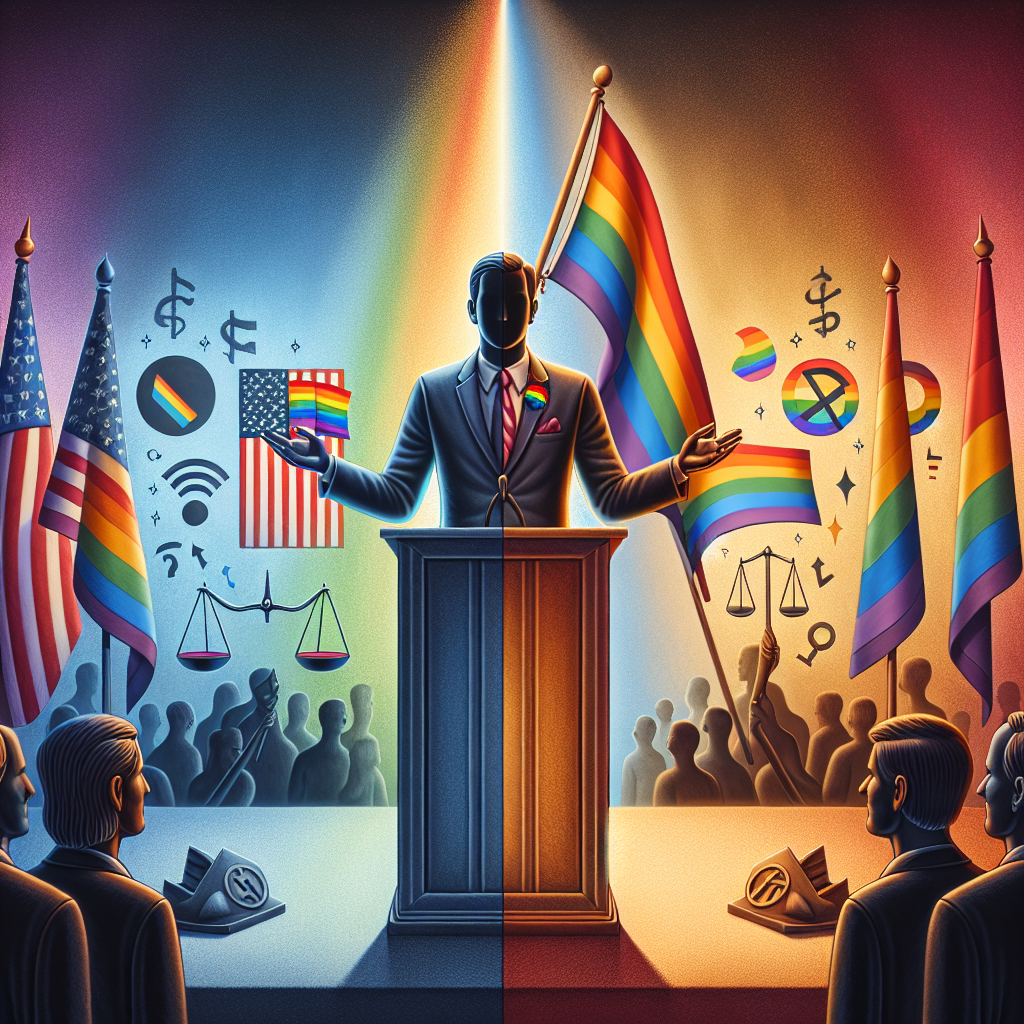
Understanding Trump’s rhetoric requires a look back at his political journey. Initially, Trump’s position on LGBTQ+ issues seemed relatively moderate, especially compared to some of his Republican peers. He has claimed, albeit sporadically, to support LGBTQ+ rights, such as during his 2016 campaign when he held up a rainbow flag at a rally. However, his administration’s policies told a different story.
From rolling back protections for transgender individuals to opposing same-sex marriage, Trump’s actions have often contradicted his occasional supportive statements. This inconsistency raises questions about the underlying motives for his anti-gay rhetoric.
Political Strategy and Base Mobilization
A significant factor influencing Trump’s rhetoric is his political strategy. Trump’s base largely consists of conservative and evangelical voters, groups that have traditionally opposed LGBTQ+ rights. By adopting anti-gay rhetoric, Trump may be seeking to galvanize these supporters and ensure their continued allegiance.
This approach is not uncommon in politics, where divisive issues are often used to rally a specific segment of the electorate. By positioning himself as a defender of “traditional values,” Trump taps into the fears and beliefs of a crucial voter demographic. 📊

Personal Beliefs vs. Political Expediency
While political strategy is a plausible explanation, it’s also worth considering the personal beliefs of the former president. Some argue that Trump’s rhetoric is more about political expediency than deeply held convictions. His past as a businessman in liberal New York City suggests that his views might be more fluid than his political persona suggests.
However, separating personal beliefs from political maneuvering is challenging. Politicians often adapt their public personas to align with the prevailing attitudes of their supporters. Whether Trump’s rhetoric is driven by genuine belief or political calculation remains a topic of debate.
Social and Cultural Impacts
The impact of Trump’s rhetoric extends beyond political strategy. It plays a significant role in shaping societal attitudes towards the LGBTQ+ community. Rhetoric from high-profile figures can legitimize discrimination and hostility, affecting the lives of countless individuals.
Moreover, using anti-gay rhetoric can exacerbate cultural divides, pitting different segments of society against each other. This division can hinder progress towards equality and inclusivity, making it essential to critically examine the motives and consequences of such rhetoric. 🌈
Conclusion
Decoding Trump’s anti-gay rhetoric involves a complex interplay of political strategy, personal beliefs, and societal impact. While his rhetoric may mobilize certain voter bases, it also risks perpetuating division and discrimination. As with many political figures, understanding the motives behind Trump’s stance requires a nuanced analysis of both his actions and the broader political landscape.
By engaging in critical discourse, we can better navigate the challenges posed by divisive rhetoric and work towards a more inclusive society.
FAQs
Q: Has Trump ever publicly supported LGBTQ+ rights?
A: Yes, Trump has made statements supportive of LGBTQ+ rights, such as claiming to support same-sex marriage during his 2016 campaign. However, his administration’s policies often contradicted these statements.
Q: How has Trump’s rhetoric impacted LGBTQ+ rights?
A: Trump’s rhetoric and policies have had a significant impact, including rolling back protections for transgender individuals and opposing LGBTQ+ inclusive policies.
Q: Is Trump’s anti-gay rhetoric purely for political gain?
A: While political strategy is a factor, it’s challenging to definitively separate Trump’s personal beliefs from his political motivations. Both elements likely play a role.
Understanding and addressing the motives behind political rhetoric is crucial for fostering a more inclusive and equitable society. Let’s continue the conversation and strive for progress. 🗣️