Music and Arts: The LGBTQ Influence
In the vibrant tapestry of music and arts, the influence of the LGBTQ community is undeniable. From iconic musicians who have become household names to groundbreaking artists who challenge societal norms, the LGBTQ community has left an indelible mark on the world of creativity. This post explores the profound impact of LGBTQ individuals on music and arts, showcasing their contributions and celebrating their unique voices.
The Historical Context of LGBTQ Influence in the Arts
The intersection of LGBTQ identity and the arts has a rich history. Dating back to the Renaissance, figures like Leonardo da Vinci and Michelangelo are speculated to have had same-sex attractions, influencing their creative outputs. Fast forward to the 20th century, and we see the likes of Virginia Woolf and Tennessee Williams, who used their writing to explore complex themes of identity and sexuality. The arts have always been a haven for those who dare to express their true selves, and LGBTQ artists have used this platform to push boundaries and provoke thought.
The Role of LGBTQ Musicians in Shaping Genres
Music, as a universal language, has been significantly shaped by LGBTQ musicians. From Freddie Mercury’s flamboyant performances with Queen to Elton John’s charismatic stage presence, these artists have not only entertained but also challenged stereotypes. Their music often carries themes of love, acceptance, and resilience, resonating with audiences worldwide.
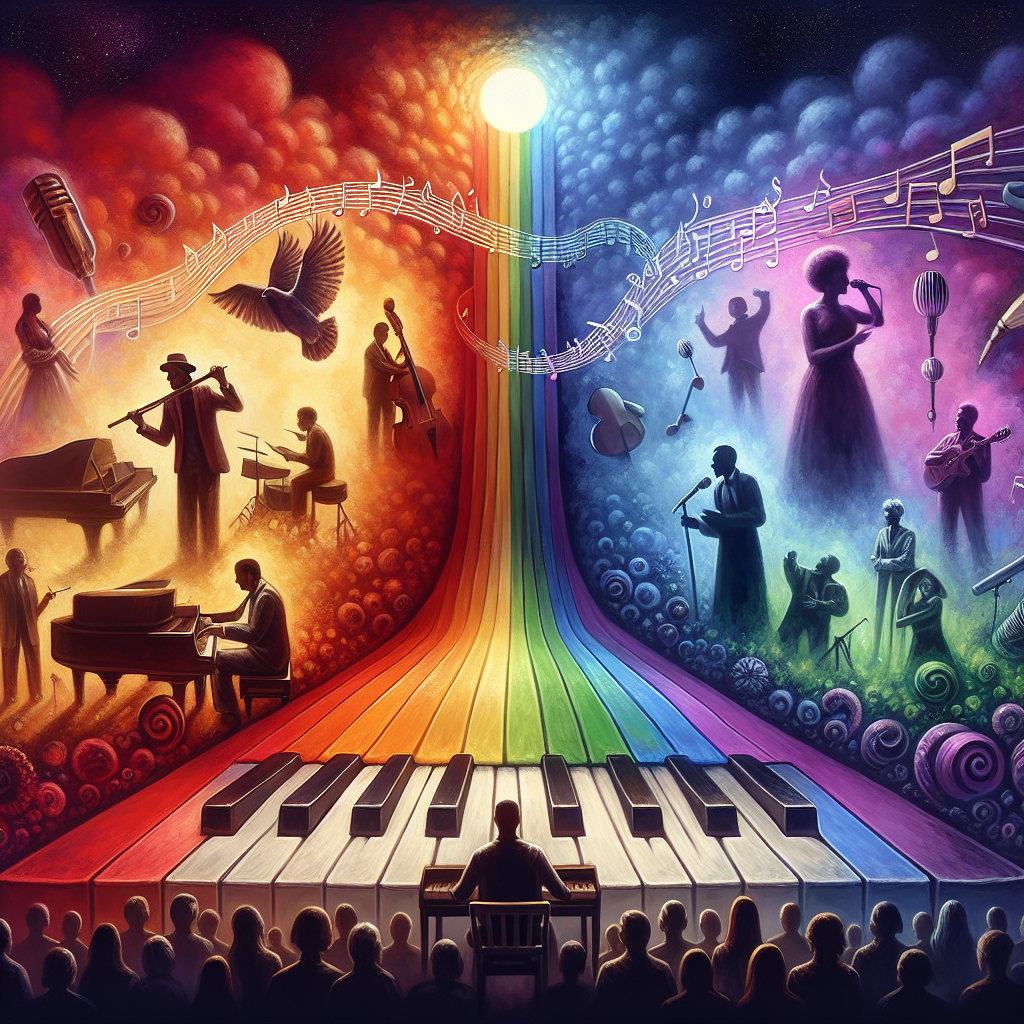
More recently, artists like Sam Smith and Troye Sivan have openly embraced their identities, using their platforms to advocate for LGBTQ rights. Their songs often reflect personal experiences, providing a voice to those who feel marginalized and fostering a sense of community among listeners.
Visual Arts and the Expression of LGBTQ Identity
In the realm of visual arts, LGBTQ artists have continually pushed the envelope, using their work to explore themes of gender, sexuality, and identity. Artists like Robert Mapplethorpe and Keith Haring have used their art to challenge societal norms and offer commentary on the LGBTQ experience.
Mapplethorpe’s provocative photographs and Haring’s vibrant street art have become symbols of the struggle for acceptance and equality. They used their art not just as a form of personal expression, but as a powerful medium for social change, highlighting issues such as the AIDS crisis and advocating for LGBTQ rights.
Theatre and the Power of LGBTQ Storytelling
Theatre has long been a space for LGBTQ voices to be heard. Playwrights like Tony Kushner, with his groundbreaking work “Angels in America,” have used the stage to tell poignant stories about the LGBTQ experience. These narratives often explore themes of love, loss, and identity, resonating with audiences and fostering empathy and understanding.
Musicals like “Rent” and “The Rocky Horror Picture Show” have become cultural phenomena, celebrated for their bold storytelling and unapologetic portrayal of LGBTQ characters. These productions not only entertain but also educate, challenging audiences to confront their own biases and embrace diversity.
The Ongoing Impact of LGBTQ Creatives
Today, the influence of the LGBTQ community in the arts continues to grow. With the rise of digital platforms, more artists are finding their voices and sharing their stories with the world. Social media has become a powerful tool for advocacy, allowing LGBTQ creatives to connect with audiences on a global scale.
As society becomes more accepting, the arts will undoubtedly continue to reflect and celebrate the diversity of human experience. LGBTQ artists will remain at the forefront, challenging norms and inspiring future generations with their creativity and courage.
Conclusion: Celebrating Diversity in the Arts
The influence of the LGBTQ community on music and arts is profound and enduring. From historical figures who defied conventions to contemporary artists who use their platforms for advocacy, the contributions of LGBTQ individuals are invaluable. As we celebrate their achievements, we also acknowledge the ongoing fight for equality and acceptance, recognizing the arts as a powerful vehicle for change and understanding.
Table of Contents
1. The Historical Context of LGBTQ Influence in the Arts
2. The Role of LGBTQ Musicians in Shaping Genres
3. Visual Arts and the Expression of LGBTQ Identity
4. Theatre and the Power of LGBTQ Storytelling
5. The Ongoing Impact of LGBTQ Creatives
6. Conclusion: Celebrating Diversity in the Arts
FAQs
Q: How have LGBTQ musicians impacted the music industry?
A: LGBTQ musicians have significantly influenced the music industry by challenging stereotypes, advocating for rights, and creating music that resonates with themes of love and acceptance.
Q: Why is the representation of LGBTQ individuals important in the arts?
A: Representation in the arts is crucial as it fosters understanding, challenges societal norms, and provides visibility to marginalized communities, promoting diversity and inclusion.
Q: Can you name a few notable LGBTQ artists in visual arts?
A: Notable LGBTQ artists in visual arts include Robert Mapplethorpe, Keith Haring, and contemporary figures like Zanele Muholi, who continue to explore themes of identity and activism through their work.
Q: How has theatre helped in promoting LGBTQ narratives?
A: Theatre has been pivotal in promoting LGBTQ narratives by telling powerful stories that resonate with audiences, fostering empathy, and challenging societal norms through bold and unapologetic storytelling.
🎭🎶 The arts serve as a mirror to society, reflecting its diversity and complexity. As we continue to celebrate the contributions of the LGBTQ community, let’s embrace the beauty of diversity and the power of creativity to inspire change. 🌈🎨