Mainstream Influence: The Impact of LGBTQ Culture
In recent years, the influence of LGBTQ culture has permeated various aspects of mainstream society, shaping everything from fashion to entertainment and beyond. This cultural shift not only promotes diversity and inclusion but also enriches our collective human experience. In this blog post, we’ll explore the impact of LGBTQ culture on mainstream society, highlighting its positive effects and ongoing challenges.
Table of Contents
1. Introduction
2. The Evolution of LGBTQ Representation
3. Fashion Forward: LGBTQ Influence in Style
4. Entertainment: A Broader Stage
5. Social Media: Amplifying LGBTQ Voices
6. Challenges and Moving Forward
7. Conclusion
8. FAQs
The Evolution of LGBTQ Representation
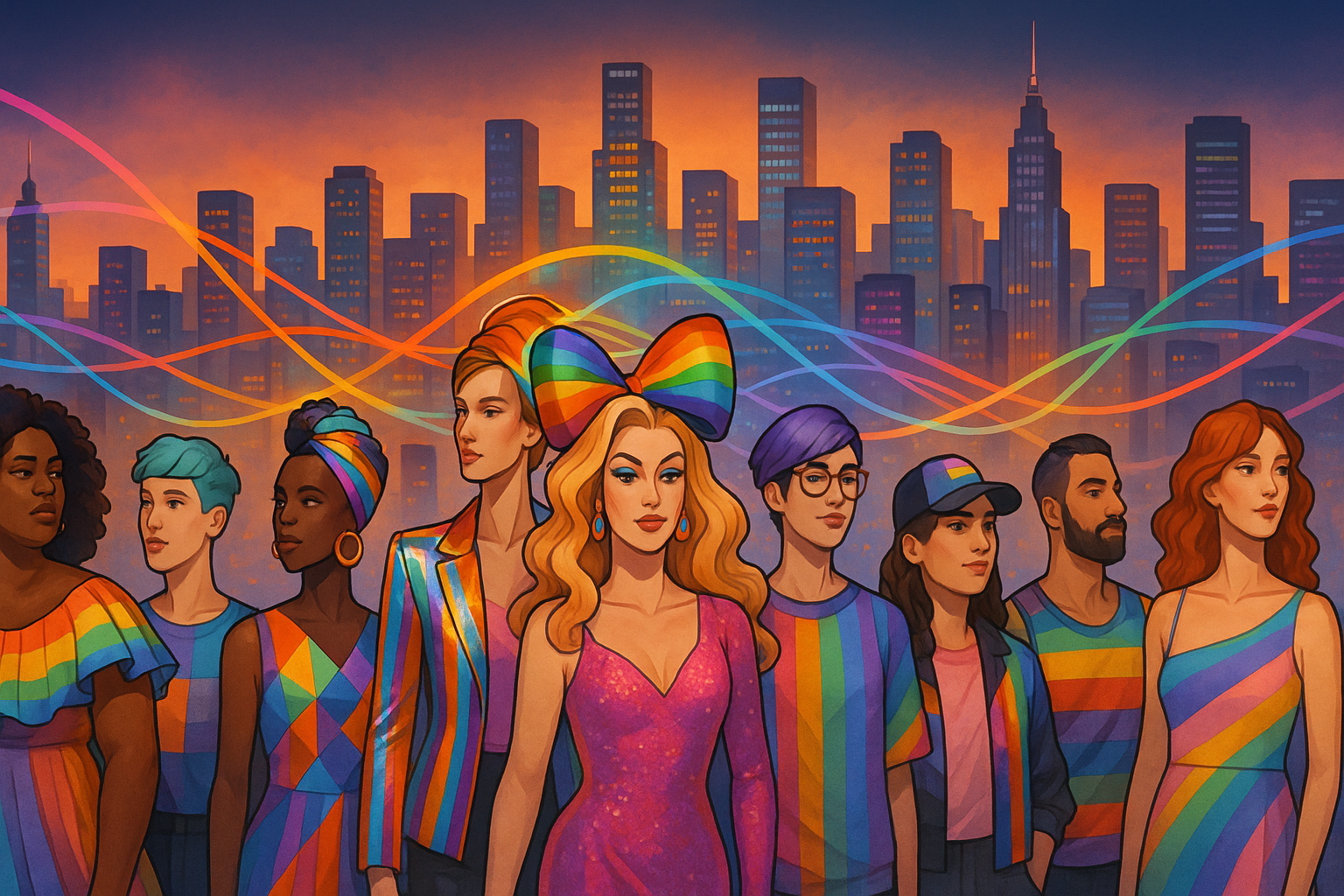
Over the decades, LGBTQ representation has evolved from being virtually invisible to becoming a significant part of mainstream culture. In the past, LGBTQ individuals were often portrayed in stereotypes, if at all. However, today we see a more authentic representation across various media. This shift has been crucial in fostering understanding and acceptance.
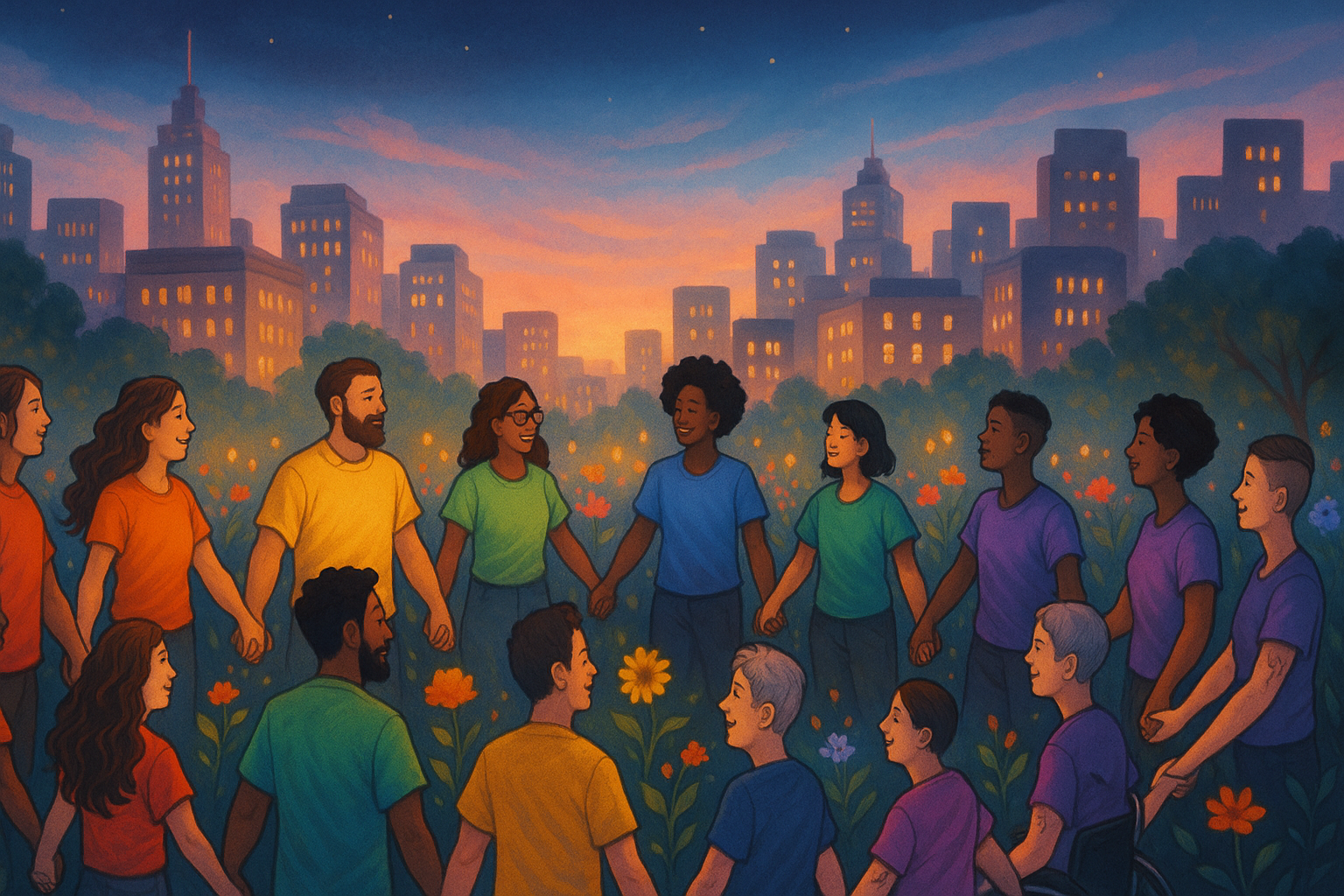
Television shows like Pose and films such as Moonlight have broken barriers by showcasing LGBTQ stories and characters in leading roles. These narratives not only entertain but also educate audiences, challenging preconceived notions and promoting empathy.
Fashion Forward: LGBTQ Influence in Style
Fashion has long been a playground for self-expression, and the LGBTQ community has significantly shaped the industry. From legendary designers like Alexander McQueen to contemporary icons like Billy Porter, LGBTQ individuals have pushed the boundaries of style and creativity.
The impact is evident in the acceptance of gender-neutral fashion and the celebration of diverse body types and identities. Pride-themed collections and rainbow-colored apparel have become staples in many major brands, symbolizing solidarity and inclusivity.
Entertainment: A Broader Stage
Entertainment is a powerful vehicle for change, and the inclusion of LGBTQ narratives has broadened its scope. Music artists like Sam Smith and Lil Nas X openly embrace their identities, using their platforms to advocate for LGBTQ rights and visibility.
Moreover, streaming services have played a pivotal role in promoting diverse content. Shows like Queer Eye and RuPaul’s Drag Race have gained global popularity, resonating with audiences by celebrating uniqueness and self-love.
Social Media: Amplifying LGBTQ Voices
Social media has become an essential tool for amplifying LGBTQ voices, offering a space for community building and advocacy. Platforms like Instagram and Twitter allow individuals to share their stories, connect with others, and challenge societal norms.
Hashtags such as #Pride and #LoveIsLove have become rallying cries for equality and acceptance, spreading awareness and encouraging dialogue. Influencers and activists leverage their online presence to highlight issues facing the LGBTQ community, driving positive change.
Challenges and Moving Forward
Despite the progress, the LGBTQ community still faces challenges, including discrimination and unequal rights. It’s crucial to continue advocating for change, ensuring that progress is inclusive and sustainable.
Education and open conversations are key to addressing misconceptions and fostering a more inclusive society. By supporting LGBTQ-friendly policies and celebrating diversity, we can build a future where everyone feels valued and respected.
Conclusion
The impact of LGBTQ culture on mainstream society is both profound and transformative. By embracing diversity and promoting inclusivity, we enrich our communities and foster a world where everyone can express themselves freely. As we continue to celebrate and support the LGBTQ community, we pave the way for a more equitable and compassionate society.
FAQs
1. What is the significance of LGBTQ representation in media?
Representation in media helps to normalize LGBTQ identities, fostering understanding and acceptance. It challenges stereotypes and provides role models for LGBTQ individuals.
2. How has fashion been influenced by LGBTQ culture?
LGBTQ culture has brought innovation and inclusivity to fashion, promoting gender-neutral styles and diversity in body representation.
3. Why is social media important for the LGBTQ community?
Social media amplifies LGBTQ voices, allowing for community building, advocacy, and the sharing of personal stories to foster awareness and acceptance.
4. What challenges does the LGBTQ community still face?
The LGBTQ community continues to face discrimination, unequal rights, and societal misconceptions, highlighting the need for ongoing advocacy and education.
By understanding and celebrating the influence of LGBTQ culture, we contribute to a more inclusive and vibrant society. 🌈