

Humor in Activism: Laughing Through the Struggle
Activism is often associated with serious topics, intense emotions, and tireless efforts for change. However, an often overlooked yet powerful tool in the activist’s arsenal is humor. In this blog post, we’ll explore the role of humor in activism, how it can be used effectively, and why laughing through the struggle can be a catalyst for change.
Table of Contents:
1. Introduction to Humor in Activism
2. The Power of Humor: Why It Works
3. Historical Examples of Humor in Activism
4. Modern-Day Activists Using Humor
5. How to Use Humor Effectively in Activism
6. Conclusion
7. FAQs
Introduction to Humor in Activism
When we think about activism, images of protests, rallies, and serious debates often come to mind. Yet, humor can play a significant role in these efforts. By introducing laughter and wit, activists can engage a broader audience, break down barriers, and make their messages more relatable. But how exactly does humor fit into the world of activism?
The Power of Humor: Why It Works
Humor has the unique ability to disarm and engage. It can turn a tense situation into a more relaxed one, making it easier to discuss difficult topics. Comedy often cuts through the noise, grabbing attention in a crowded media landscape and making complex issues more approachable. Additionally, humor can serve as a coping mechanism, helping activists maintain their resilience amidst the challenges they face. 😂
Historical Examples of Humor in Activism
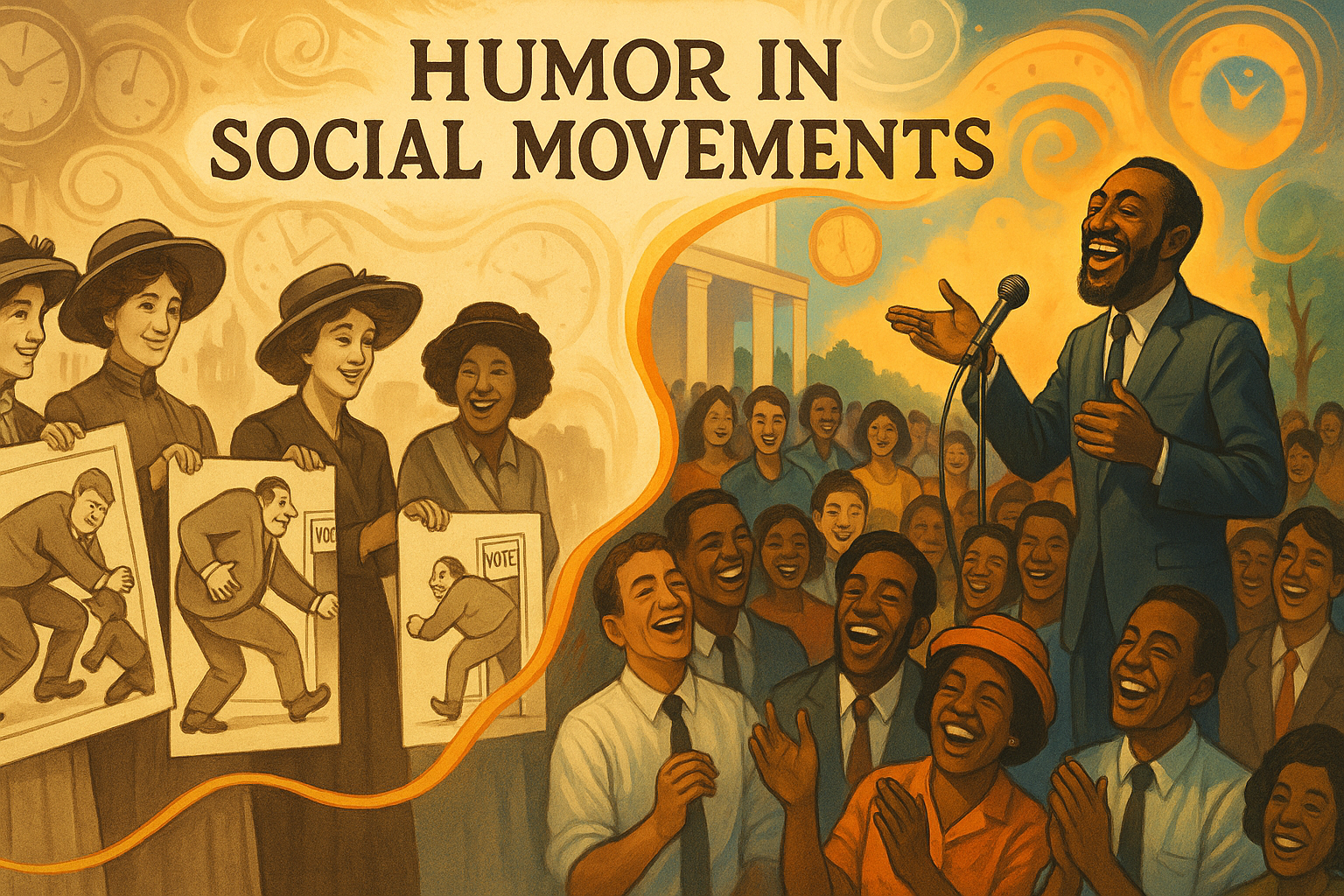
Throughout history, humor has been a vital component of various social movements. Take, for example, the suffragettes in the early 20th century, who used satirical cartoons to highlight the absurdity of denying women the right to vote. Similarly, during the civil rights movement, activists like Dick Gregory used humor as a way to challenge racial stereotypes and bring attention to the injustices faced by African Americans.
Modern-Day Activists Using Humor
In today’s digital age, humor in activism is more prevalent than ever. Social media platforms have amplified the reach of comedic content, allowing it to go viral and spread messages quickly. Activists like John Oliver and Hasan Minhaj have successfully used their platforms to tackle serious issues with a comedic twist, drawing attention to topics such as government corruption, climate change, and social justice. Their ability to mix humor with hard-hitting facts has made them influential voices in modern activism. 🌍
How to Use Humor Effectively in Activism
While humor can be a powerful tool, it’s essential to use it carefully and thoughtfully. Here are some tips for incorporating humor into activism:
Know Your Audience
Understanding your audience is crucial when using humor in activism. What might be funny to one group may not resonate with another. Tailoring your message to fit the cultural and social context of your audience ensures your humor lands effectively.
Strike a Balance
While humor can lighten the mood, it’s important not to undermine the seriousness of the issues at hand. Balancing humor with respect and sensitivity ensures that the core message remains impactful.
Be Authentic
Authenticity is key. If humor doesn’t come naturally to you, forcing it can feel disingenuous and may not resonate with your audience. Use humor in a way that aligns with your personality and the cause you are championing.
Conclusion
Incorporating humor into activism isn’t just about making people laugh; it’s a strategic and meaningful way to engage, educate, and inspire action. By laughing through the struggle, activists can break down barriers, build connections, and ultimately drive change. So, the next time you’re pondering how to amplify your activism, consider adding a touch of humor to your strategy. After all, as the old saying goes, “If you can make people laugh, you can make them think.” 😂
FAQs
Q: Can humor be seen as insensitive in activism?
A: While humor can sometimes be misinterpreted, being mindful of your audience and ensuring your humor is respectful and relevant can prevent insensitivity.
Q: What are some platforms where humor in activism is most effective?
A: Social media platforms like Twitter, Instagram, and YouTube are particularly effective for reaching wide audiences quickly with humorous content.
Q: How can humor help sustain long-term activism efforts?
A: Humor can boost morale, reduce burnout, and foster a sense of community, helping sustain long-term engagement in activist movements.