LGBTQ Visibility in Marketing: Challenges and Opportunities
In recent years, the push for diversity and inclusion has transformed various industries, with marketing being no exception. The LGBTQ community, in particular, has seen increasing representation in advertising campaigns, but this journey has been far from straightforward. While there have been significant strides, numerous challenges persist alongside exciting opportunities for brands willing to embrace authentic representation.
Table of Contents
1. Introduction to LGBTQ Visibility in Marketing
2. The Importance of LGBTQ Representation
3. Challenges in LGBTQ Marketing
4. Opportunities for Brands
5. Successful Campaigns and Lessons Learned
6. Conclusion
7. FAQs
Introduction to LGBTQ Visibility in Marketing
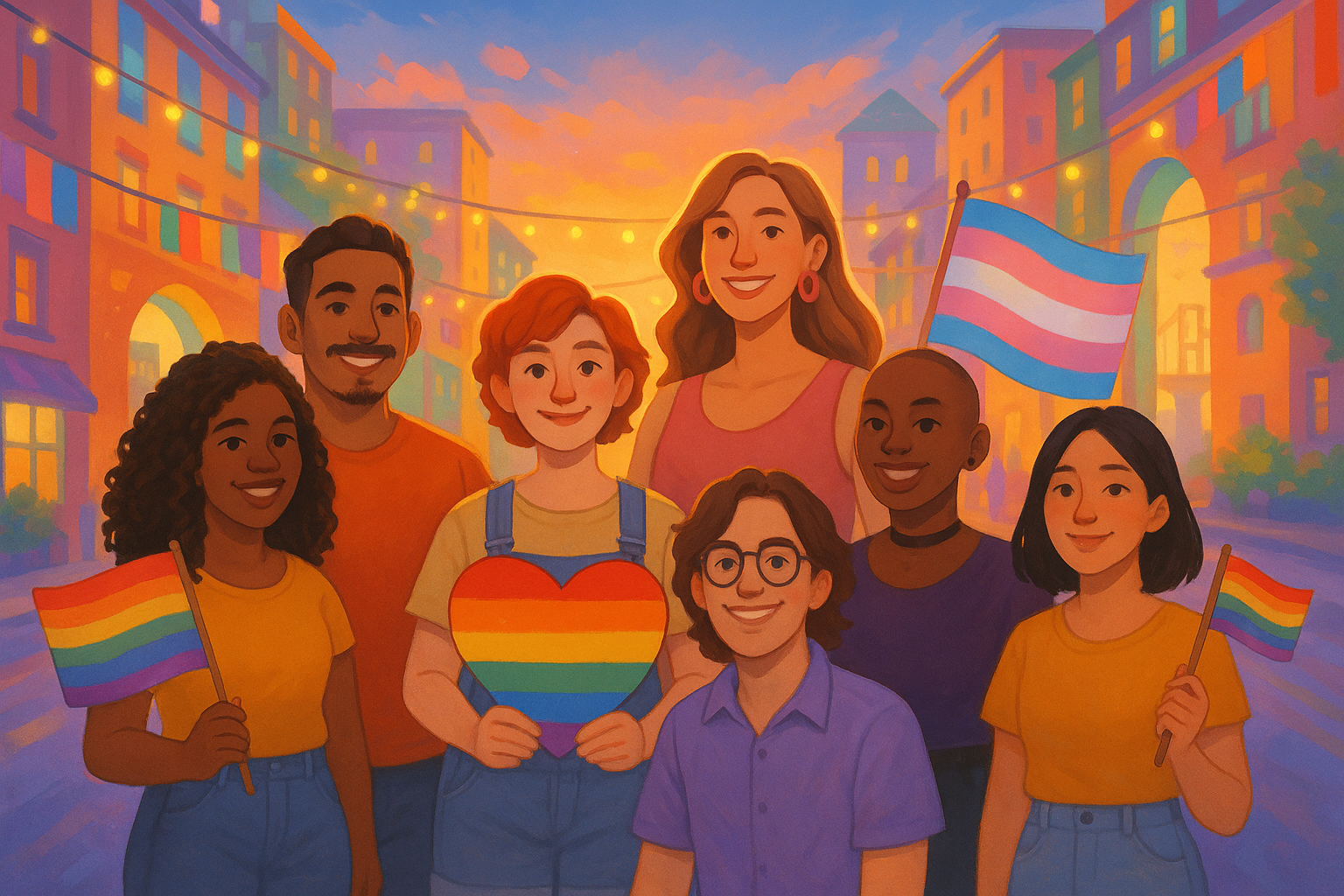
The world of marketing has always been a reflection of societal changes. As the narrative around LGBTQ rights and visibility continues to evolve, brands are increasingly seeking ways to authentically engage with this diverse community. However, stepping into this arena requires a nuanced understanding of the challenges and opportunities involved.
In this blog post, we delve into the complexities of LGBTQ visibility in marketing, examining both the hurdles brands face and the promising avenues for genuine engagement.
The Importance of LGBTQ Representation
Representation matters. For the LGBTQ community, seeing themselves reflected in marketing campaigns not only validates their existence but also fosters a sense of belonging. It signals to society that diversity is not just accepted but celebrated. This representation can also drive brand loyalty, as consumers are more likely to support companies that resonate with their identity and values.
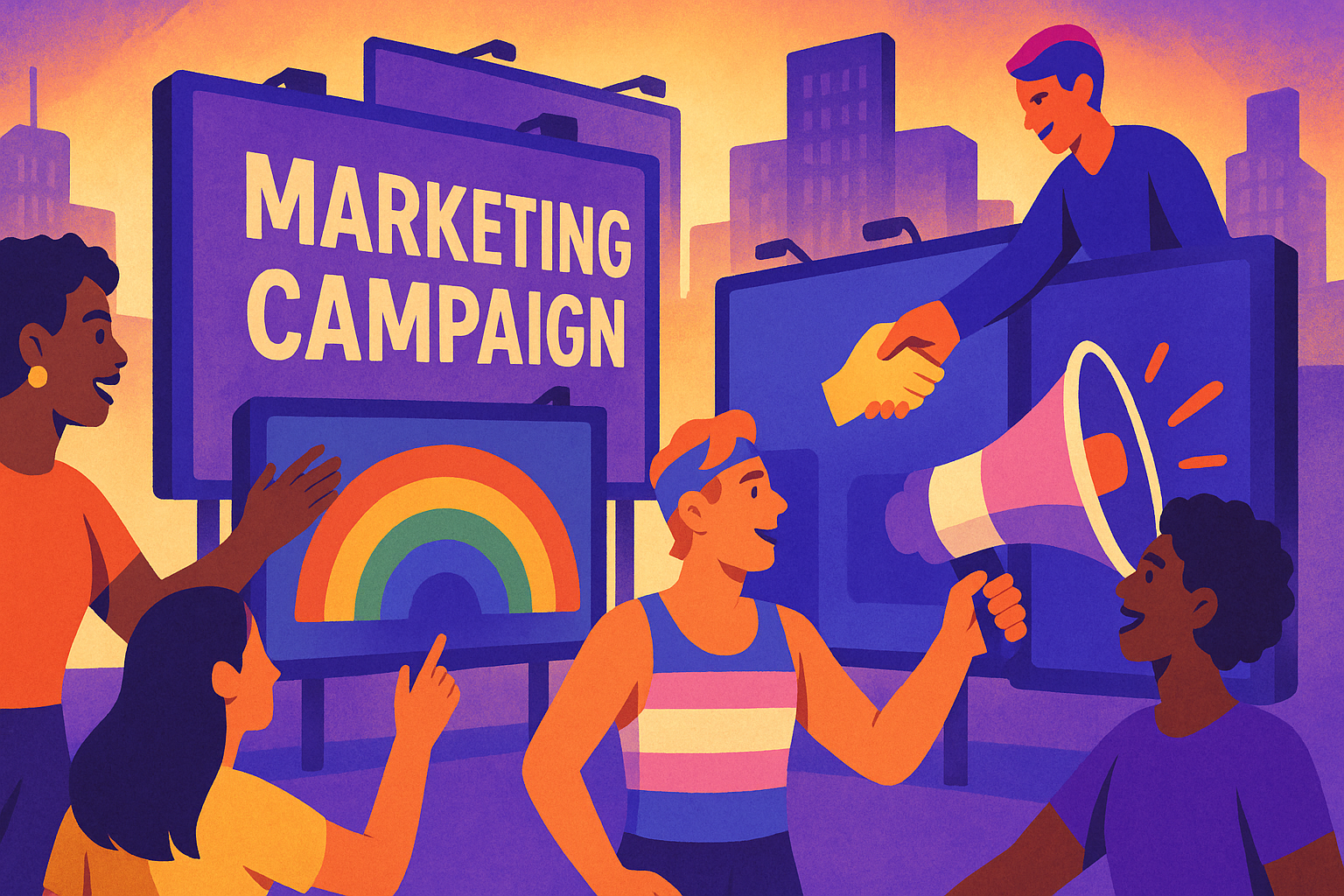
Brands that incorporate LGBTQ individuals and stories send a powerful message of inclusivity. However, this representation must go beyond tokenism to truly resonate with the community.
Challenges in LGBTQ Marketing
While the benefits of LGBTQ visibility are clear, several challenges remain. One of the primary hurdles is the risk of backlash. Some segments of the population may react negatively to LGBTQ-inclusive campaigns, posing a potential risk to brand reputation. Navigating these waters requires careful planning and a commitment to standing by inclusive values.
Another significant challenge is the need for authenticity. The LGBTQ community is diverse, with varying identities and experiences. Marketing campaigns that fail to capture this diversity or resort to stereotypes can do more harm than good. Brands must invest in understanding the community and collaborating with LGBTQ individuals to create genuine, respectful content.
Opportunities for Brands
Despite these challenges, the opportunities for brands are immense. By embracing LGBTQ visibility, companies can tap into a vibrant and loyal customer base. Furthermore, inclusive marketing can differentiate a brand in a crowded marketplace, signaling progressive values that appeal to younger, socially conscious consumers.
Brands that successfully engage with the LGBTQ community often see increased brand loyalty and positive word-of-mouth. By aligning marketing efforts with broader diversity and inclusion initiatives, companies can build lasting relationships with their audience.
Successful Campaigns and Lessons Learned
Several brands have effectively navigated the landscape of LGBTQ marketing, offering valuable lessons for others. For example, Levi’s “All Pronouns, All Love” campaign celebrated gender fluidity and inclusivity, resonating with a wide audience. Similarly, Absolut Vodka’s long-standing support for LGBTQ rights has cemented their reputation as an ally.
These successful campaigns share common elements: authenticity, collaboration with LGBTQ creators, and a commitment to long-term support rather than one-off gestures. Brands must remember that visibility is not a trend but a commitment to ongoing advocacy and representation.
Conclusion
LGBTQ visibility in marketing presents both challenges and opportunities for brands willing to engage authentically. As society continues to champion diversity and inclusion, companies have a unique chance to lead the way in creating a more inclusive world. By embracing genuine representation and learning from successful campaigns, brands can forge meaningful connections with the LGBTQ community.
FAQs
What are the main challenges of LGBTQ marketing?
The main challenges include potential backlash, the need for authenticity, and avoiding stereotypes.
How can brands ensure authenticity in LGBTQ marketing?
Brands can ensure authenticity by collaborating with LGBTQ creators, investing in understanding the community, and committing to long-term support.
Why is LGBTQ representation important in marketing?
LGBTQ representation is crucial as it validates the community’s existence, fosters a sense of belonging, and can drive brand loyalty.
Can LGBTQ visibility in marketing improve brand loyalty?
Yes, LGBTQ visibility can enhance brand loyalty by resonating with consumers’ identities and values, leading to increased support and positive word-of-mouth.
✨ Embracing diversity and inclusion is not just a moral imperative but a business advantage. By championing LGBTQ visibility, brands can truly make a difference in the world while driving success. 🌈