

The Economic Impact of LGBTQ Discrimination
Discrimination against LGBTQ individuals is not only a social and moral issue but also an economic one. The repercussions of such discrimination ripple through our communities, affecting businesses, economies, and societies at large. This blog post delves into the multifaceted economic impact of LGBTQ discrimination, examining how it influences productivity, healthcare costs, and global economic growth.
Table of Contents
1. Introduction
2. The Cost of Workplace Discrimination
3. Healthcare and Well-being
4. Consumer Spending and Market Potential
5. Global Economic Impact
6. Conclusion
7. FAQs
Introduction
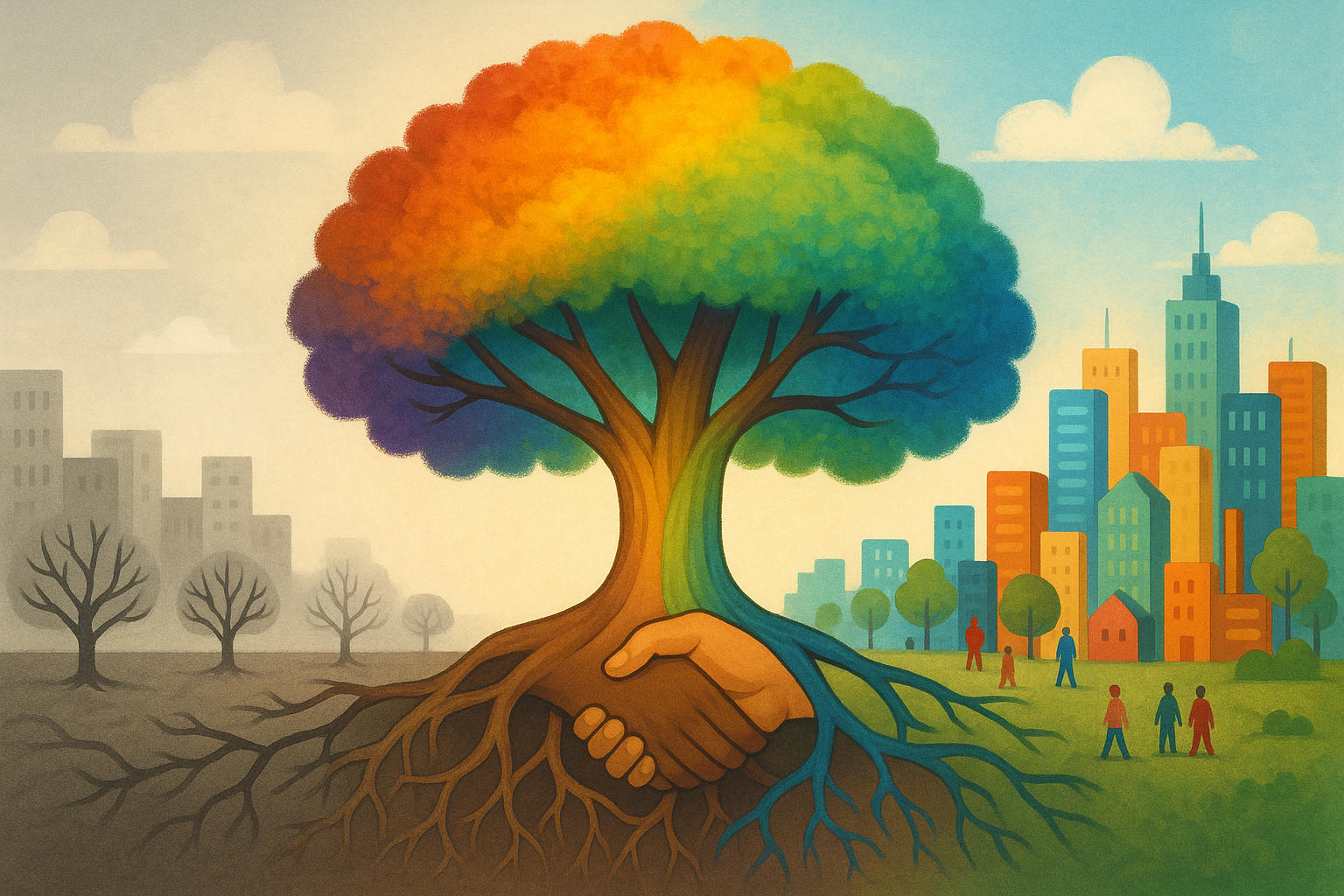
As we progress towards a more inclusive society, understanding the broad implications of discrimination becomes crucial. The economic impact of LGBTQ discrimination is a subject that has gained attention in recent years. It’s not just about fairness and equality; it’s also about recognizing the potential economic benefits of embracing diversity. 🌈
The Cost of Workplace Discrimination
Workplace discrimination against LGBTQ individuals can lead to significant economic costs. Companies that fail to create inclusive environments often face higher turnover rates, reduced productivity, and increased legal expenses. When employees feel undervalued or unsafe, their performance and engagement dwindle, directly affecting the bottom line.
According to studies, businesses that foster inclusivity report better financial performance. By embracing diversity, companies can harness a broader range of perspectives, leading to innovation and improved problem-solving. A McKinsey report found that companies in the top quartile for gender and ethnic diversity are more likely to have financial returns above their national industry medians.
Healthcare and Well-being
The discriminatory attitudes and policies that LGBTQ individuals face often lead to adverse health outcomes, resulting in higher healthcare costs. Stress, depression, and anxiety are more prevalent among those who experience discrimination, leading to increased utilization of mental health services.
Moreover, the lack of access to appropriate healthcare and support can exacerbate these issues, creating a cycle that is hard to break. By promoting inclusivity and providing equal access to healthcare, we can reduce these costs and improve overall community health.
Consumer Spending and Market Potential
Discrimination also affects consumer behavior. LGBTQ individuals represent a significant portion of the consumer market, and their spending power should not be underestimated. In the United States alone, the LGBTQ community’s buying power is estimated to be over $1 trillion. Discrimination can deter consumers from engaging with brands that are perceived as non-inclusive.
Brands that actively support LGBTQ rights and promote diversity often see increased loyalty and consumer engagement. Embracing inclusivity can open up new markets and tap into the vast potential of LGBTQ consumers who are eager to support businesses that align with their values.
Global Economic Impact
On a global scale, the economic impact of LGBTQ discrimination is profound. Countries with progressive policies and inclusive practices tend to experience higher levels of economic growth. Discrimination inhibits talent mobility and reduces the global talent pool, limiting economic potential.
Moreover, multinational companies often choose their locations based on the inclusivity of local laws and societal attitudes. Countries that fail to provide legal protections for LGBTQ individuals may find themselves at a competitive disadvantage in attracting foreign investment and talent.
Conclusion
The economic impact of LGBTQ discrimination is far-reaching, affecting every level of society. By promoting inclusivity and equality, we not only do what is morally right but also unlock economic potential that benefits everyone. Creating a world where everyone, regardless of their sexual orientation or gender identity, can contribute fully to society is not just a dream—it’s an economic imperative. 🌍
FAQs
Q: How can companies promote LGBTQ inclusivity?
A: Companies can promote inclusivity by implementing anti-discrimination policies, offering diversity training, and creating supportive workplace environments.
Q: What are some examples of economic benefits linked to LGBTQ inclusivity?
A: Economic benefits include increased productivity, higher employee retention rates, expanded consumer markets, and improved innovation.
Q: How does LGBTQ discrimination affect mental health?
A: Discrimination can lead to higher levels of stress, anxiety, and depression among LGBTQ individuals, impacting their overall well-being and healthcare costs.
Q: Why is inclusivity important for global economic growth?
A: Inclusivity enhances talent mobility, attracts foreign investment, and fosters a more dynamic and innovative economy.
Embracing diversity is not only a moral obligation but also a key to unlocking economic prosperity. Let’s work together to build a more inclusive and equitable world for everyone. ❤️