

Addressing LGBTQ Homelessness: Solutions and Support
Homelessness is a pressing issue that affects countless individuals around the world. Among those experiencing homelessness, LGBTQ individuals face unique challenges that require tailored solutions and support. In this blog post, we will explore the factors contributing to LGBTQ homelessness, discuss potential solutions, and highlight resources that can provide much-needed support.
Table of Contents
1. Introduction
2. Understanding LGBTQ Homelessness
3. Contributing Factors
4. Solutions to Address LGBTQ Homelessness
5. Support Resources
6. Conclusion
7. FAQs
Understanding LGBTQ Homelessness
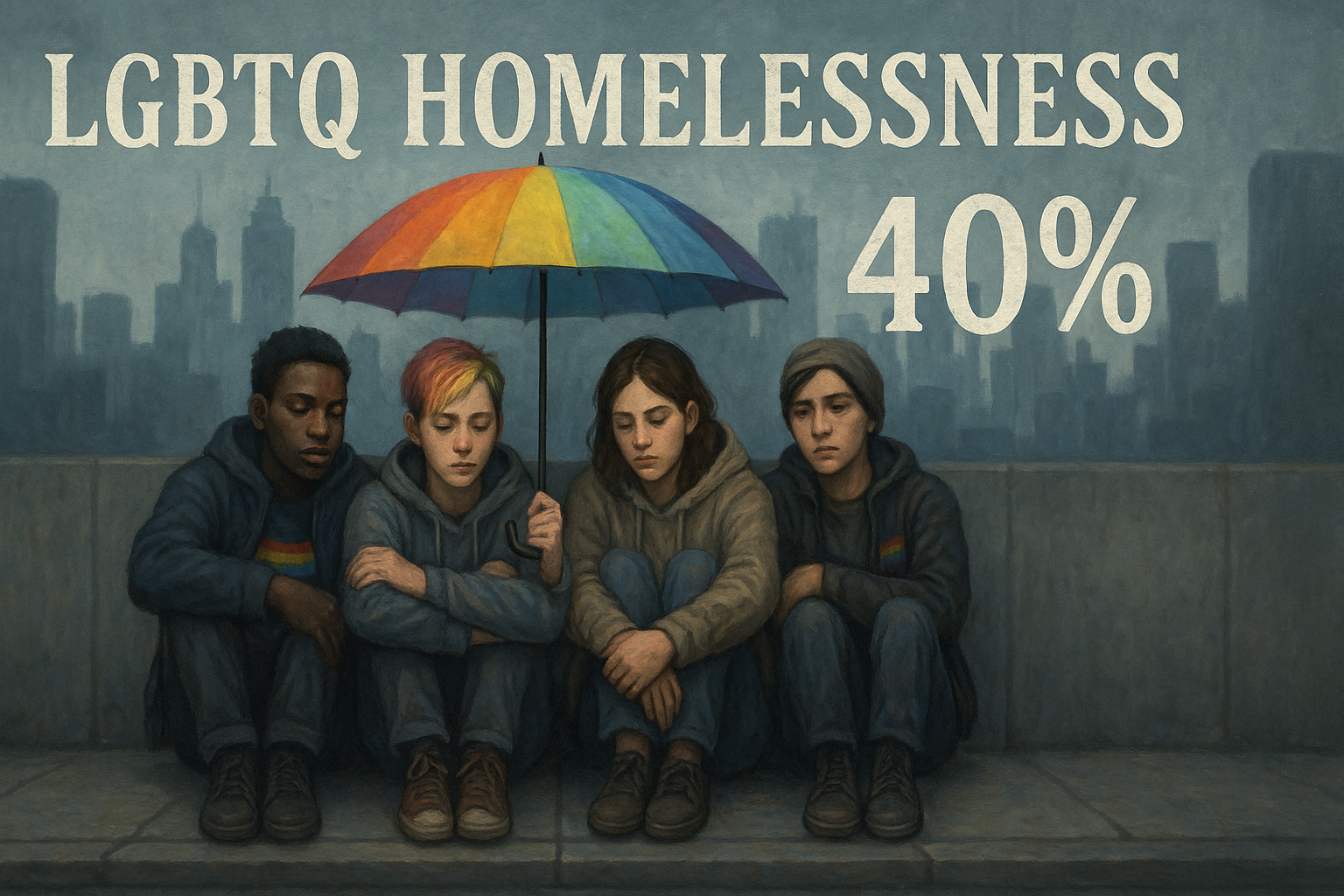
LGBTQ homelessness is a significant concern, with research indicating that LGBTQ youth and adults are disproportionately represented among the homeless population. According to studies, approximately 40% of homeless youth identify as LGBTQ, a stark contrast to the estimated 7% of the general youth population. This disparity underscores the need for targeted interventions and services.
Contributing Factors
Several factors contribute to the high rates of homelessness among LGBTQ individuals:
Family Rejection
Many LGBTQ youths face rejection from their families after coming out, leading to an increased risk of homelessness. This rejection often leaves them without the emotional and financial support necessary to thrive.
Discrimination and Violence
LGBTQ individuals frequently encounter discrimination and violence, both in familial settings and the broader community. This can lead to unstable housing situations and push them towards homelessness as a means of seeking safety or acceptance.
Systemic Barriers
Systemic barriers, such as a lack of inclusive policies and services, further exacerbate the problem. Many shelters and housing programs are not equipped to address the specific needs of LGBTQ individuals, leading to inadequate access to safe and welcoming spaces.
Solutions to Address LGBTQ Homelessness
Addressing LGBTQ homelessness requires a multi-faceted approach that involves policy changes, community involvement, and increased awareness. Here are some potential solutions:
Inclusive Policies and Practices
Implementing inclusive policies and practices is crucial. Shelters and housing programs should adopt non-discrimination policies and provide training to staff on LGBTQ sensitivity and inclusivity. Creating safe spaces where LGBTQ individuals feel respected and understood is essential for effective support.
Family Reconciliation Programs
Family reconciliation programs can play a pivotal role in reducing homelessness among LGBTQ youth. These programs aim to mediate familial conflicts, promote understanding, and, when possible, facilitate reunification or alternative support arrangements.
Community Support and Advocacy
Building strong community networks and advocacy groups can help create a safety net for LGBTQ individuals. By fostering a sense of community, these networks can provide emotional support, resources, and a platform for advocacy to drive systemic change.
Access to Mental Health Services
Providing access to mental health services is vital, as many LGBTQ individuals face mental health challenges stemming from discrimination and trauma. Tailored mental health support can help individuals build resilience and navigate the challenges of homelessness.
Support Resources
Numerous organizations are dedicated to supporting LGBTQ individuals experiencing homelessness. Here are a few resources:
The Trevor Project
The Trevor Project offers crisis intervention and suicide prevention services for LGBTQ youth. They provide a lifeline for those in need of immediate support.
True Colors United
True Colors United works to end homelessness among LGBTQ youth through advocacy, training, and collaboration with service providers to develop inclusive solutions.
Ali Forney Center
The Ali Forney Center provides housing and support services to LGBTQ homeless youth in New York City, offering a safe haven for those in need.
Conclusion
Addressing LGBTQ homelessness requires a concerted effort from individuals, communities, and policymakers. By understanding the unique challenges faced by LGBTQ individuals and implementing targeted solutions, we can work towards a future where everyone has access to safe and stable housing. Let’s continue to advocate for change, promote inclusivity, and support those in need 🤝.
FAQs
Q1: Why is LGBTQ homelessness more prevalent than in other populations?
A1: LGBTQ homelessness is more prevalent due to factors like family rejection, discrimination, and systemic barriers that disproportionately affect this community.
Q2: What can individuals do to help address LGBTQ homelessness?
A2: Individuals can support LGBTQ organizations, advocate for inclusive policies, volunteer at local shelters, and educate themselves and others about the challenges faced by this community.
Q3: Are there specific shelters for LGBTQ individuals?
A3: Yes, there are shelters and organizations specifically designed to support LGBTQ individuals, providing safe and inclusive environments.