

Pride’s Historical Journey: From Activism to Global Celebrations
Pride, a word that once encapsulated a movement of resistance and activism, has evolved into a global celebration of diversity and love. This transformation is not just a tale of triumph but a testament to the relentless spirit of the LGBTQ+ community. Join us as we explore the historical journey of Pride, understanding its roots and appreciating its evolution into a worldwide phenomenon.
Table of Contents
1. The Birth of Pride: A Movement of Activism
2. The Evolution of Pride: From Protests to Parades
3. Global Celebrations: A Worldwide Embrace
4. The Impact of Pride on Society
5. FAQs
6. Conclusion
The Birth of Pride: A Movement of Activism
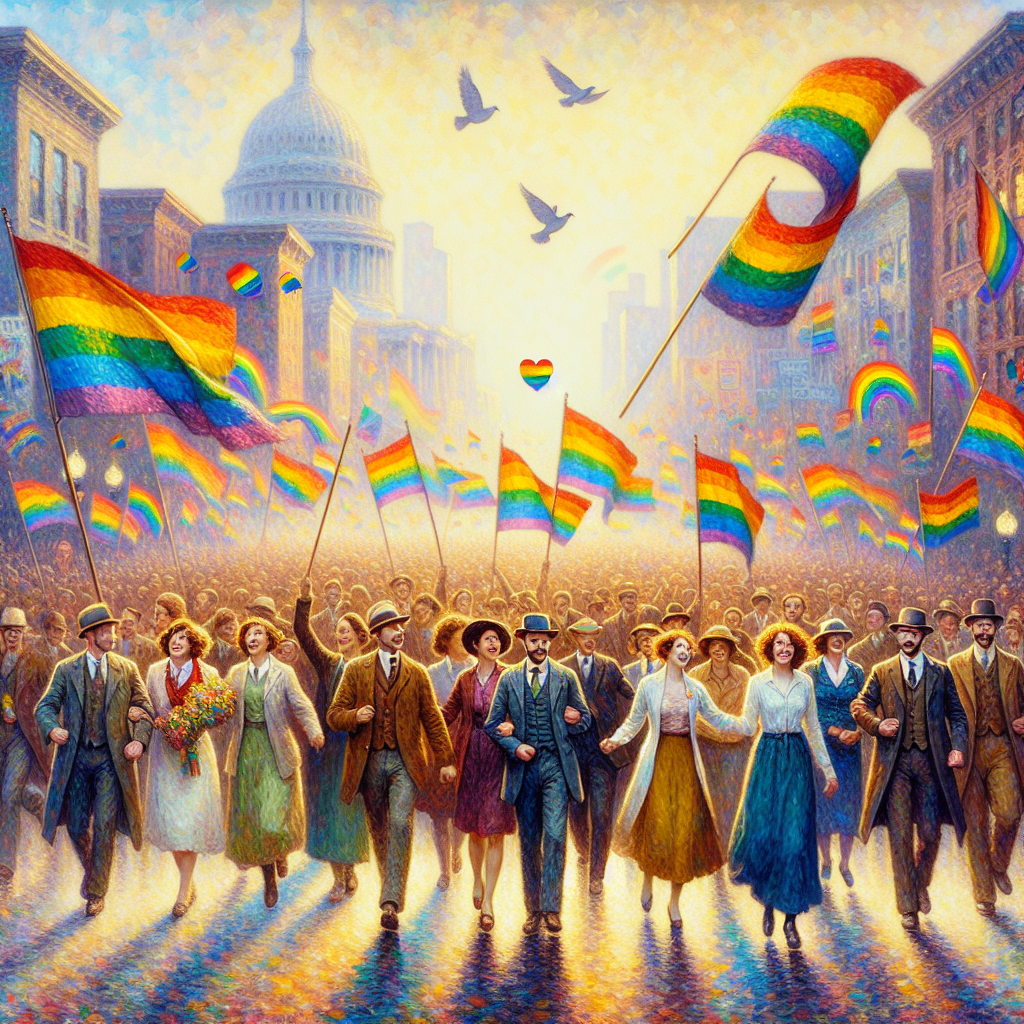
The origins of Pride are deeply rooted in activism, with significant events such as the Stonewall Riots serving as pivotal moments in LGBTQ+ history. On a fateful night in June 1969, the patrons of the Stonewall Inn in New York City fought back against a police raid, igniting a spark that would fuel the modern LGBTQ+ rights movement.
This act of defiance was not just another protest; it was a declaration of dignity and a demand for equality. The Stonewall Riots galvanized the community, leading to the first-ever Pride marches in 1970, commemorating the anniversary of the uprising. These early marches were not the colorful parades we see today but rather somber, defiant demonstrations against systemic oppression.
The Evolution of Pride: From Protests to Parades
As the years passed, Pride evolved from a platform for protest into a celebration of identity, resilience, and unity. The 1980s and 1990s saw Pride events becoming more organized and inclusive, with more cities around the world joining the movement. The AIDS epidemic, which disproportionately affected the LGBTQ+ community, brought urgency to the movement, highlighting the need for visibility and advocacy.
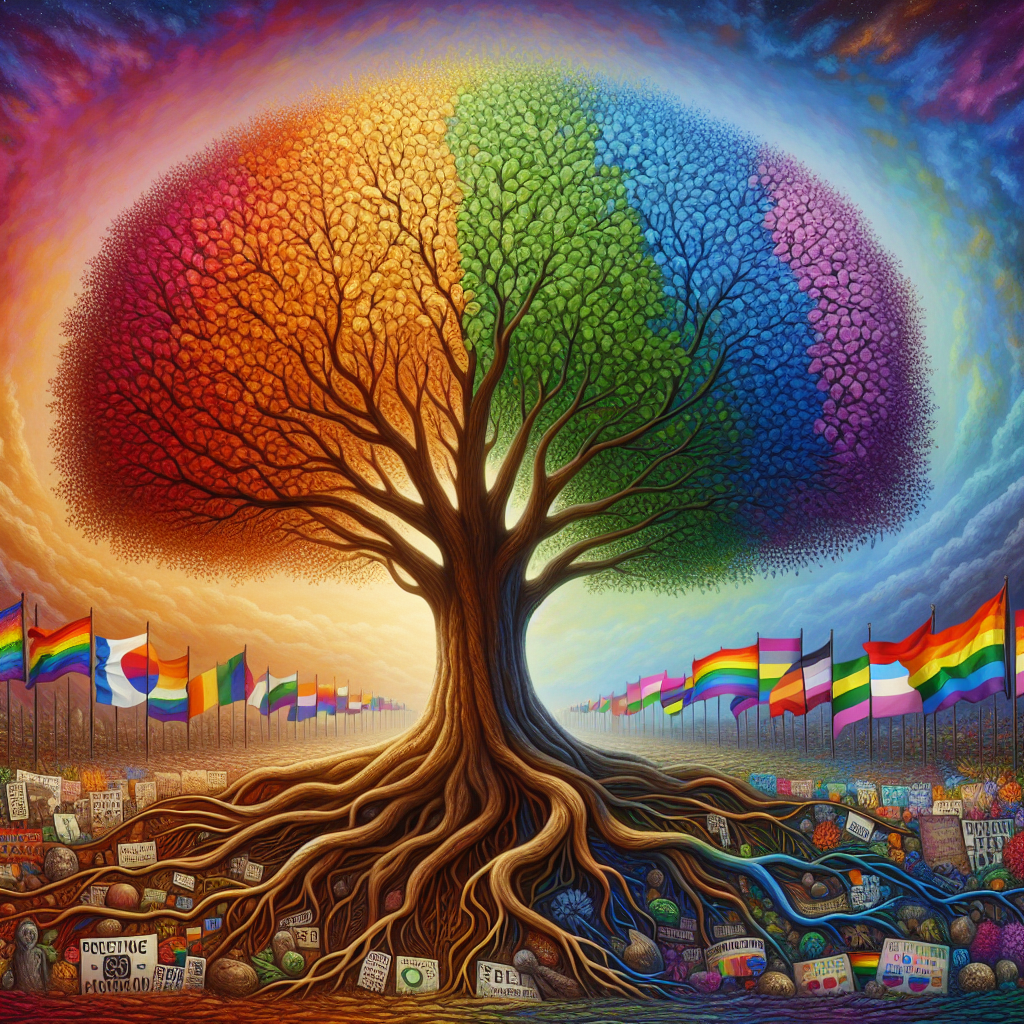
By the turn of the millennium, Pride had transitioned into vibrant parades, featuring an array of colors, music, and joy. Yet, these celebrations continued to carry the underlying message of equality and acceptance. They also served as a powerful reminder of the struggles that paved the way, honoring those who fought tirelessly for the rights enjoyed today.
Global Celebrations: A Worldwide Embrace
Today, Pride is celebrated in every corner of the globe, from the bustling streets of New York to the vibrant avenues of São Paulo, and even in places where LGBTQ+ rights are still contested. Each celebration is unique, reflecting the cultural nuances and challenges of the local community.
In Europe, cities like Amsterdam and Berlin host some of the largest Pride events, drawing millions of participants each year. Meanwhile, in Asia, countries like Taiwan and Thailand have seen growing Pride movements, signaling a shift towards greater acceptance. These global celebrations not only unite the LGBTQ+ community but also educate and inspire allies, fostering a more inclusive world.
The Impact of Pride on Society
Pride has had a profound impact on society, reshaping perceptions and driving legislative change. It has played a crucial role in advancing LGBTQ+ rights, from marriage equality to anti-discrimination laws. Beyond policy, Pride has sparked conversations about identity, acceptance, and love, encouraging individuals to embrace their true selves.
The visibility that Pride events provide helps challenge stereotypes and break down barriers, promoting understanding and empathy. For many, attending a Pride event is a transformative experience, offering a sense of belonging and empowerment that transcends borders and backgrounds.
FAQs
What is the significance of the rainbow flag?
The rainbow flag, designed by Gilbert Baker in 1978, is a symbol of LGBTQ+ pride and diversity. Each color represents a different aspect of the community, such as life, healing, and spirit.
Why is Pride Month celebrated in June?
Pride Month is celebrated in June to commemorate the Stonewall Riots, which occurred in June 1969. This month-long celebration honors the impact of the LGBTQ+ community in history.
How can allies support Pride?
Allies can support Pride by attending events, educating themselves on LGBTQ+ issues, advocating for equal rights, and standing against discrimination in all forms.
Conclusion
The journey of Pride from activism to global celebrations is a story of courage, resilience, and love. It is a reminder of the progress achieved and the work that remains to be done. As we celebrate Pride, let us honor the pioneers who paved the way and continue to strive for a world where everyone is free to love and be loved without fear or prejudice. 🌈