Pride Parades: Celebrations Beyond the Festivities
Pride parades are often seen as vibrant, colorful events filled with music, dance, and celebration. But beyond the rainbow flags and glitter, there lies a deeper significance that resonates with millions around the world. These parades are not just about festivities; they are powerful symbols of resilience, activism, and community. In this blog post, we’ll explore the multifaceted nature of Pride parades and how they continue to shape societies worldwide.
Table of Contents
1. Introduction to Pride Parades
2. The Historical Roots of Pride
3. Pride as a Platform for Activism
4. Community Building and Support
5. Economic Impact of Pride Parades
6. Global Variations of Pride Celebrations
7. Challenges and Controversies
8. The Future of Pride Parades
9. Conclusion
10. FAQs
Introduction to Pride Parades
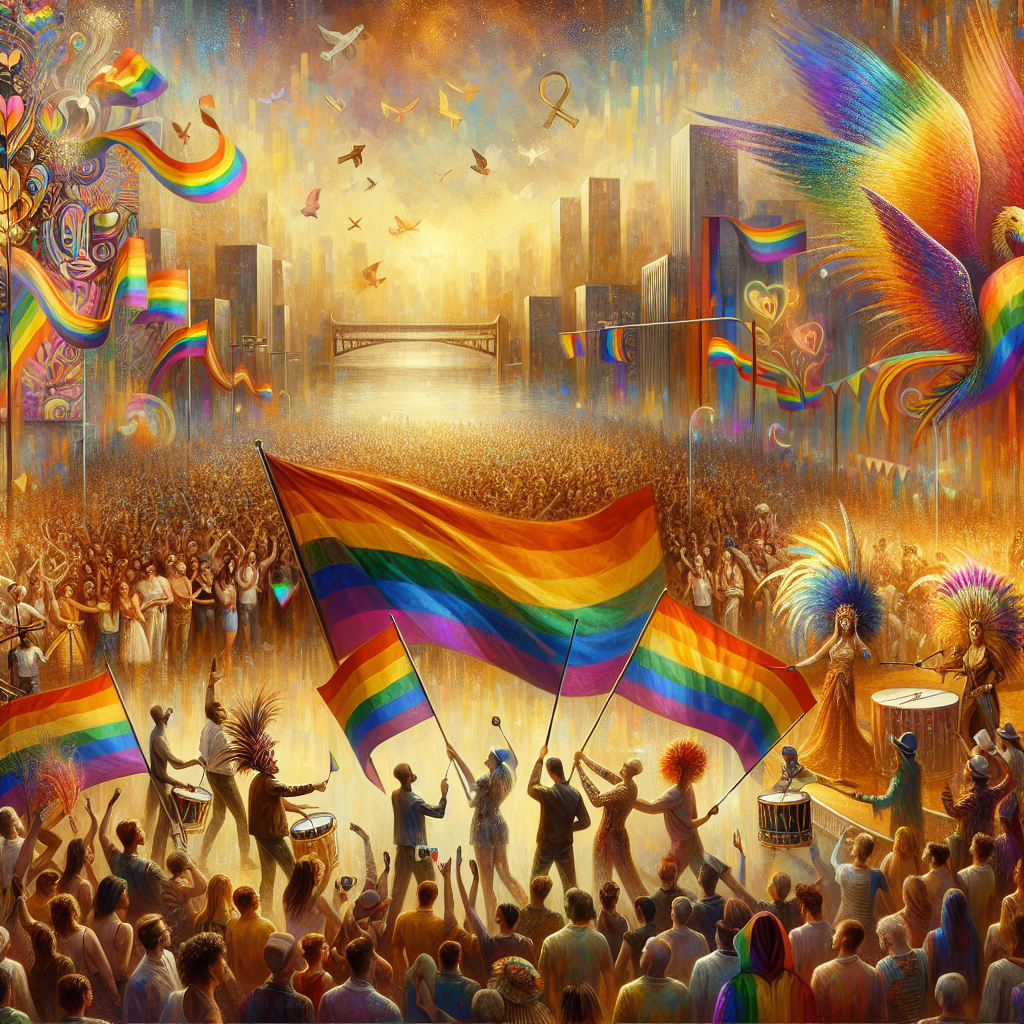
Pride parades are annual events celebrated in cities around the world, bringing together the LGBTQ+ community and their allies. What began as a commemoration of the Stonewall Riots has evolved into a global movement that champions equality, acceptance, and love. These parades are more than just a spectacle; they are a powerful reminder of the ongoing fight for LGBTQ+ rights.
The Historical Roots of Pride
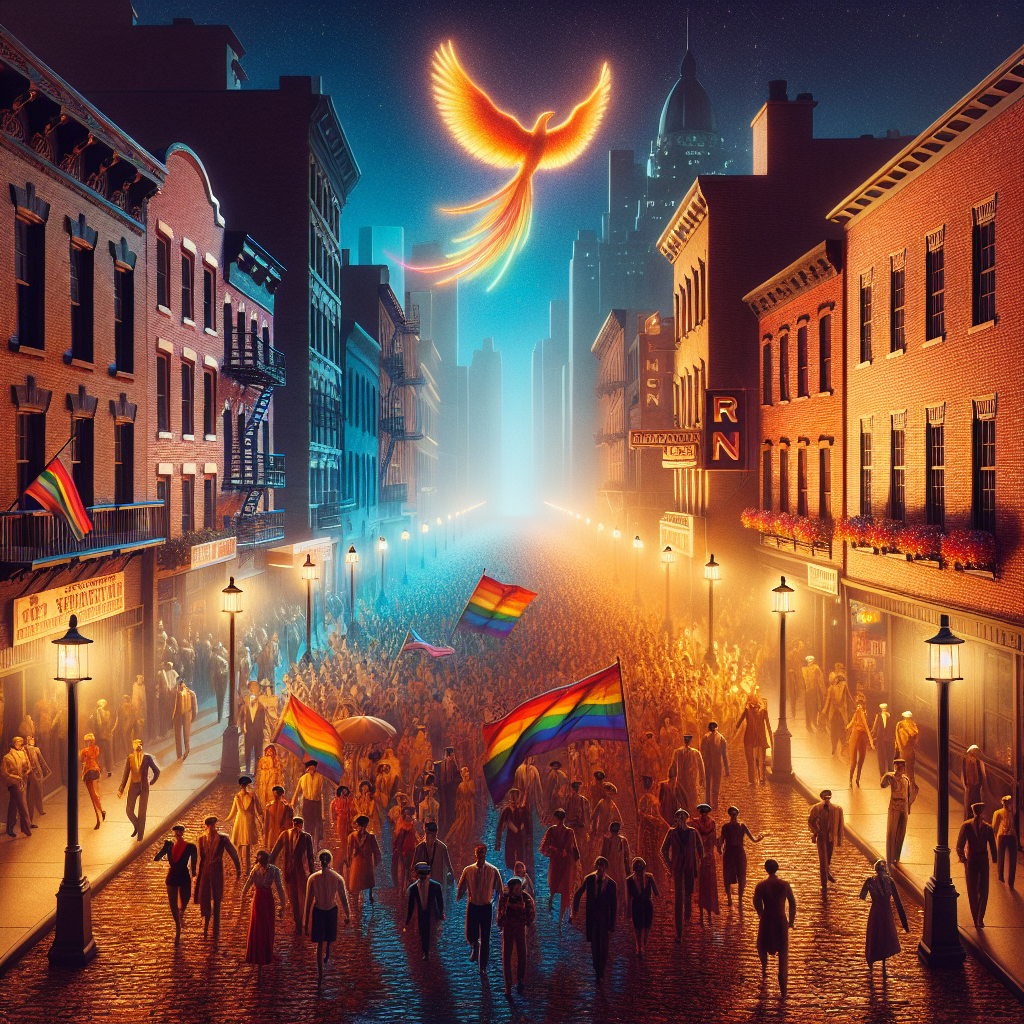
The origins of Pride parades can be traced back to the Stonewall Riots of 1969 in New York City. These riots were a response to the police raids on the Stonewall Inn, a gay bar in Greenwich Village. The events of that night sparked a movement, leading to the first Pride march in 1970. This historical backdrop highlights the parades as not merely celebrations but as acts of defiance and courage.
Pride as a Platform for Activism
Pride parades serve as a significant platform for activism. They provide a stage for raising awareness about issues affecting the LGBTQ+ community, such as discrimination, healthcare access, and legal rights. Activists use these events to amplify their voices, pushing for policy changes and greater societal acceptance. The parades are a call to action, urging participants and spectators alike to support equality and justice.
Community Building and Support
Beyond activism, Pride parades are a celebration of community. They offer a safe space for individuals to express their identities without fear of judgment. Through these events, people form connections, share experiences, and find support in one another. Pride is a testament to the strength and resilience of the LGBTQ+ community, fostering a sense of belonging and solidarity.
Economic Impact of Pride Parades
The economic impact of Pride parades is often overlooked. These events draw thousands of visitors, boosting local economies through tourism, hospitality, and retail. Cities that host Pride parades see an influx of spending, benefiting small businesses and large corporations alike. Moreover, companies that sponsor or participate in Pride gain visibility and demonstrate their commitment to diversity and inclusion.
Global Variations of Pride Celebrations
While Pride parades share a common purpose, they vary widely across the globe. In some countries, Pride is a grand, public celebration, while in others, it is a more subdued or even clandestine affair due to legal or social restrictions. Each parade reflects the cultural and political climate of its location, highlighting both the progress made and the challenges that remain.
Challenges and Controversies
Despite their positive impact, Pride parades are not without controversy. Some criticize the commercialization of Pride, arguing that the events have strayed from their activist roots. Others point to the exclusion of marginalized groups within the LGBTQ+ community. These challenges spark important conversations about inclusivity and the true purpose of Pride.
The Future of Pride Parades
As we look to the future, Pride parades will continue to evolve. With increasing global awareness and acceptance, these events have the potential to become even more inclusive and impactful. However, the fight for equality is far from over. Pride will remain a vital platform for advocacy, celebration, and community building.
Conclusion
Pride parades are much more than festive gatherings. They are a celebration of identity, a protest for rights, and a testament to the power of community. As we march forward, let us remember the history and significance behind these vibrant events, ensuring that Pride continues to inspire change and foster acceptance worldwide.
FAQs
Q: What is the main purpose of Pride parades?
A: Pride parades aim to celebrate the LGBTQ+ community, raise awareness about issues affecting them, and promote equality and acceptance.
Q: How have Pride parades changed over the years?
A: Pride parades have evolved from small activist gatherings to large-scale events, with increased participation and visibility. They have also become more inclusive and diverse.
Q: Why do some people criticize Pride parades?
A: Critics point to the commercialization of Pride, the exclusion of certain groups within the LGBTQ+ community, and the shift away from its activist origins.
Q: How can I support Pride if I cannot attend a parade?
A: Supporting Pride can be done through advocacy, education, and allyship. Donating to LGBTQ+ organizations, engaging in conversations, and promoting inclusivity are all ways to contribute.
🌈 Let us all continue to celebrate Pride with purpose, ensuring that its message of love, equality, and acceptance reaches every corner of the globe. 🏳️🌈