The Role of Media in Shaping LGBTQ Acceptance
In today’s interconnected world, the media serves as a powerful tool that influences public opinion and cultural norms. One significant area where media impact is profoundly felt is in the acceptance and understanding of LGBTQ communities. This blog post delves into how media portrayals, both past and present, play a pivotal role in shaping societal attitudes towards LGBTQ individuals.
Table of Contents
1. Introduction
2. Historical Context: Media’s Early Portrayals
3. The Power of Representation
4. Modern Media: A Catalyst for Change
5. Challenges and Missteps
6. Conclusion
7. FAQs
Introduction
Media, in its various forms, has the power to inform, educate, and influence the masses. For the LGBTQ community, media representation has been a double-edged sword. On one hand, positive portrayals can foster understanding and acceptance; on the other, negative stereotypes can perpetuate stigma and discrimination. Understanding the role of media is crucial in appreciating the journey towards LGBTQ acceptance.
Historical Context: Media’s Early Portrayals
In the early days of media, LGBTQ characters were often portrayed through a lens of negativity and stereotype. Films and television shows from the mid-20th century frequently depicted LGBTQ individuals as villains, comic relief, or tragic figures. These portrayals reinforced harmful stereotypes and contributed to widespread societal prejudice.
For instance, the “sissy” archetype was a common trope that depicted effeminate men as weak and laughable, while lesbian characters were often portrayed as predatory or mentally unstable. These depictions not only marginalized LGBTQ individuals but also hindered their acceptance in mainstream society.
The Power of Representation
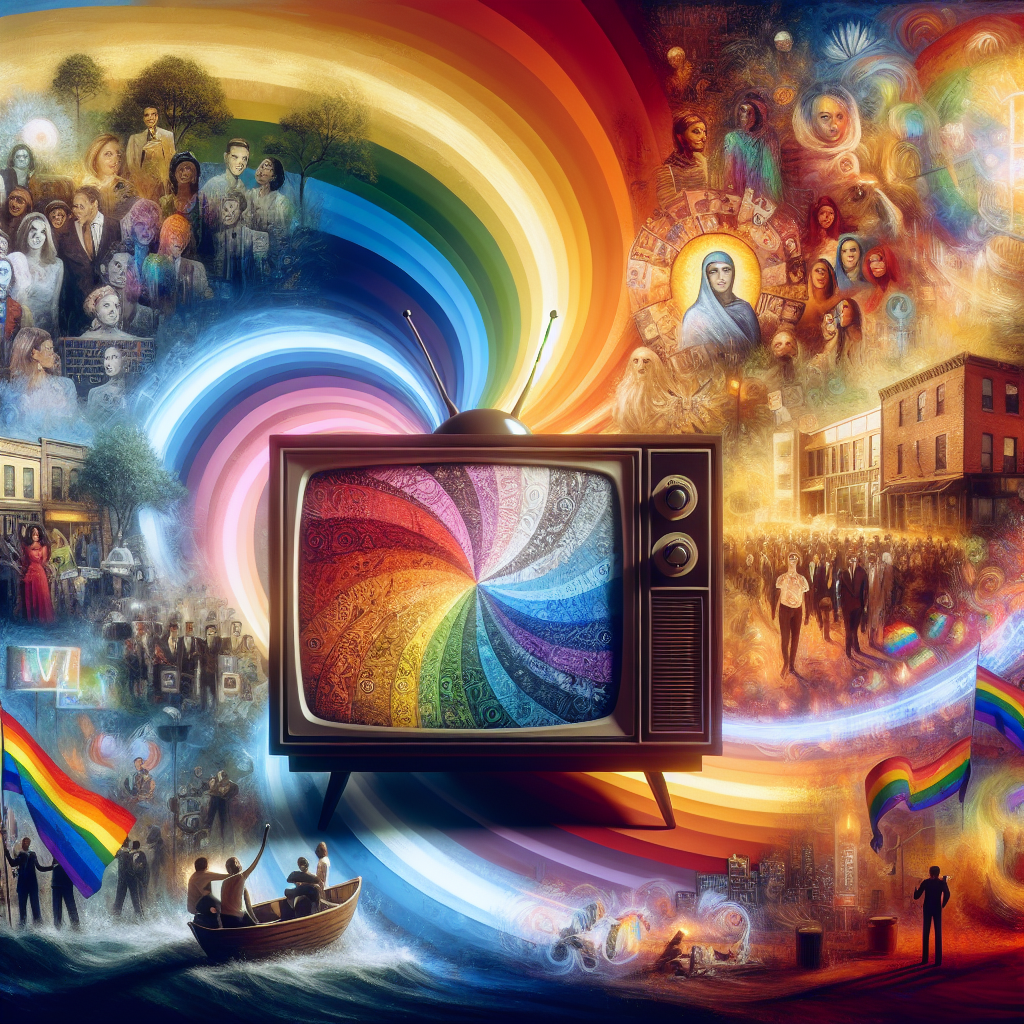
Representation matters. Seeing oneself reflected in media can be validating and empowering. As LGBTQ characters began to appear more frequently in media, the narrative slowly shifted. Positive representation in television shows like “Will & Grace” and films like “Brokeback Mountain” played a crucial role in challenging stereotypes and normalizing LGBTQ identities.
These portrayals helped audiences understand that LGBTQ individuals are multi-dimensional human beings with diverse experiences, just like everyone else. They paved the way for more authentic and varied stories, contributing to a broader cultural acceptance.
Modern Media: A Catalyst for Change
In recent years, the media has become a significant catalyst for change. Streaming platforms and social media have democratized content creation and distribution, allowing for more diverse voices to be heard. Shows like “Pose” and “Orange Is the New Black” have brought LGBTQ narratives to the forefront, highlighting issues such as identity, discrimination, and the fight for rights.
Moreover, social media platforms have amplified LGBTQ voices and provided a space for community building and advocacy. Viral campaigns and hashtags have raised awareness about LGBTQ rights and issues, fostering a global conversation and promoting acceptance.
Challenges and Missteps
Despite significant progress, challenges remain. The media is still grappling with issues of tokenism and misrepresentation. LGBTQ characters are sometimes included as mere diversity checkboxes, with their storylines lacking depth and authenticity. Additionally, the focus often remains on certain identities within the LGBTQ spectrum, neglecting others such as bisexual, transgender, and non-binary individuals.
Furthermore, sensationalism and misinformation can perpetuate harmful narratives. It is crucial for media creators to approach LGBTQ stories with sensitivity and accuracy, ensuring that portrayals are respectful and informed.
Conclusion
The media’s role in shaping LGBTQ acceptance is undeniable. While there have been significant strides in positive representation, there is still work to be done. As consumers of media, we hold the power to demand better representation and support content that authentically and respectfully portrays LGBTQ lives. Together, we can continue to push for a media landscape that reflects and celebrates the diversity of the human experience.
FAQs
Q: How can media improve its representation of LGBTQ individuals?
A: Media can improve representation by including diverse LGBTQ characters and storylines, consulting with LGBTQ individuals and organizations during the creative process, and avoiding stereotypes and tokenism.
Q: What are some examples of positive LGBTQ representation in media?
A: Shows like “Schitt’s Creek,” “Pose,” and “Euphoria,” as well as films like “Moonlight” and “Love, Simon,” are praised for their positive and nuanced portrayals of LGBTQ characters.
Q: Why is representation important for the LGBTQ community?
A: Representation is important because it validates the experiences of LGBTQ individuals, challenges stereotypes, and fosters understanding and acceptance among broader audiences.
🌈 Embracing diversity in media not only enriches storytelling but also builds a more inclusive society. Let’s celebrate and support content that amplifies authentic LGBTQ voices. 🌈