Symbols of Resistance: Understanding LGBTQ Pride Icons
The LGBTQ+ community has a rich history of resilience and pride, often embodied in vibrant symbols that represent the ongoing struggle for equality and acceptance. These symbols are more than just colorful displays; they are powerful reminders of the battles fought and the victories won. Let’s dive into the world of LGBTQ Pride Icons and uncover the stories they tell. 🌈
Table of Contents:
1. Introduction
2. The Rainbow Flag
3. The Pink Triangle
4. The Lambda
5. The Transgender Pride Flag
6. The Black Power Fist
7. Conclusion
8. FAQs
The Rainbow Flag
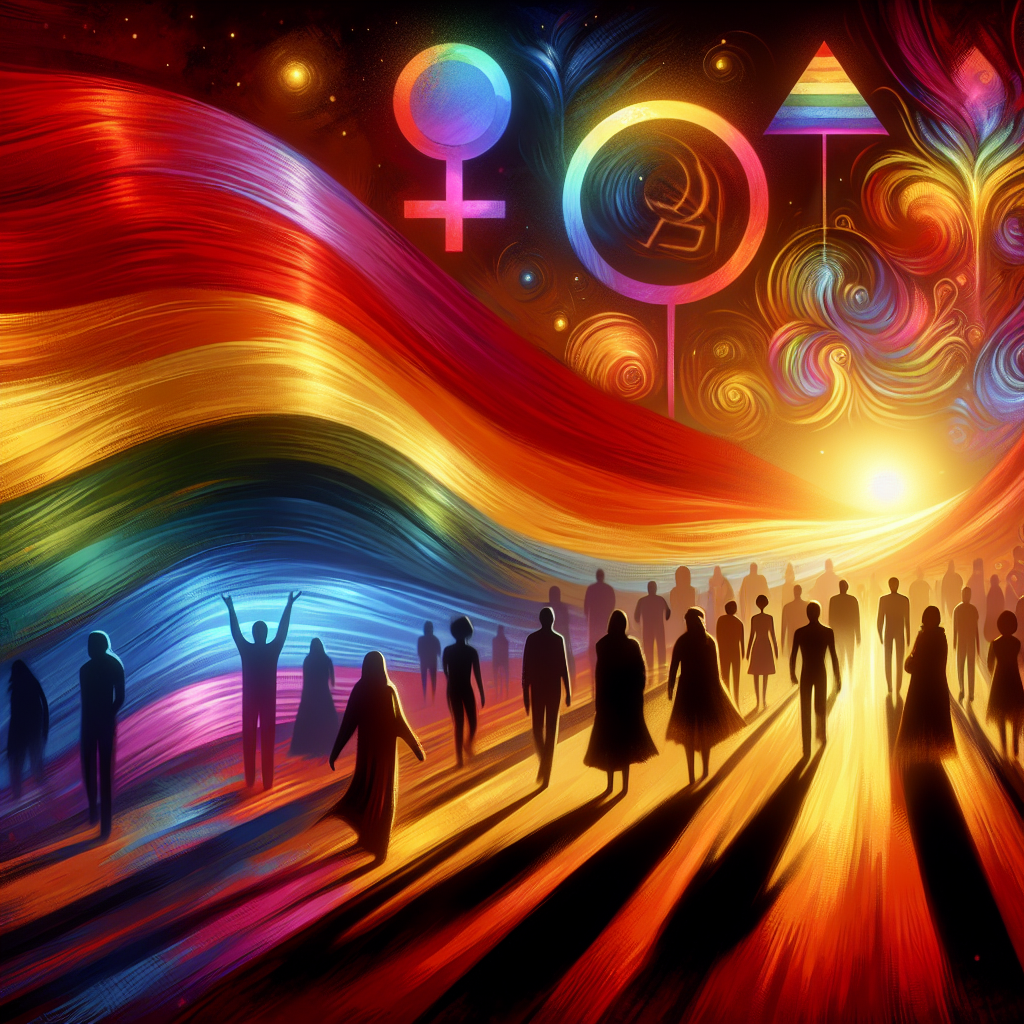
No discussion of LGBTQ symbols is complete without starting with the Rainbow Flag. Designed by Gilbert Baker in 1978, this iconic flag represents diversity and unity within the LGBTQ+ community. Each color has its own meaning: red for life, orange for healing, yellow for sunlight, green for nature, blue for harmony, and purple for spirit. 🏳️🌈
The flag has evolved over time, adopting additional colors to include the experiences of marginalized communities, such as black and brown stripes for people of color, and pink and light blue to represent the transgender community. This evolution highlights the inclusive nature of the LGBTQ+ movement.
The Pink Triangle
The Pink Triangle is a symbol with a dark history, yet it has been reclaimed as a powerful emblem of defiance and remembrance. Originally used by the Nazis during World War II to identify homosexuals in concentration camps, the triangle has been transformed into a badge of honor and a reminder of the atrocities faced by the LGBTQ+ community.
Today, it symbolizes resilience and the ongoing fight against persecution and discrimination. The act of reclaiming the Pink Triangle is a testament to the strength and solidarity of the LGBTQ+ community. 🔺
The Lambda
The Greek letter lambda (λ) is another symbol of LGBTQ pride and resistance. Adopted by the Gay Activists Alliance in 1970, it represents liberation and the quest for equality. The lambda is often associated with balance and harmony, reflecting the community’s desire for acceptance and peaceful coexistence.
The symbol gained further recognition in the 1970s when it was chosen as the international symbol for gay and lesbian rights. Its simplicity and elegance make it a timeless emblem of the fight for LGBTQ+ rights. ⚖️
The Transgender Pride Flag
Created by transgender activist Monica Helms in 1999, the Transgender Pride Flag is a relatively new but crucial symbol in the LGBTQ+ landscape. The flag features five stripes: two light blue, two pink, and one white in the center. The colors represent the traditional gender binary (blue for boys, pink for girls) and the white stripe symbolizes those who are transitioning, intersex, or identify outside of the binary. 🏳️⚧️
This flag is a beacon of hope and visibility for the transgender community, advocating for recognition, rights, and respect. It serves as a reminder of the unique challenges faced by transgender individuals and the ongoing struggle for equality.
The Black Power Fist
While not exclusively an LGBTQ+ symbol, the Black Power Fist has been adopted by many within the community as a sign of solidarity, especially among queer people of color. This symbol of resistance and empowerment first emerged during the Civil Rights Movement and has been used in various contexts to express unity and strength against oppression. ✊🏿
Incorporating the Black Power Fist into LGBTQ+ activism highlights the intersectionality of the movement, acknowledging that the fight for equality spans across different identities and experiences.
Conclusion
Symbols of resistance, like those of LGBTQ pride, serve as vital reminders of the struggles and triumphs within the community. They encapsulate the spirit of resilience, inclusivity, and solidarity that defines the LGBTQ+ movement. As we continue to march towards equality, these icons remain beacons of hope and reminders of the journey we’ve undertaken together. 🏳️🌈
FAQs
Q: What does each color of the Rainbow Flag represent?
A: The colors of the Rainbow Flag each have specific meanings: red for life, orange for healing, yellow for sunlight, green for nature, blue for harmony, and purple for spirit.
Q: How has the Rainbow Flag evolved over time?
A: The Rainbow Flag has evolved to include additional colors, such as black and brown to recognize people of color, and pink and light blue for the transgender community.
Q: What is the significance of the Pink Triangle?
A: Originally used by Nazis to persecute homosexuals, the Pink Triangle has been reclaimed as a symbol of defiance and remembrance within the LGBTQ+ community.
Q: Who created the Transgender Pride Flag and what do its colors signify?
A: Monica Helms created the Transgender Pride Flag, with colors representing traditional gender roles (blue and pink) and those outside the binary (white).
Q: Why is the Black Power Fist used in LGBTQ+ activism?
A: The Black Power Fist symbolizes solidarity and empowerment, and its use in LGBTQ+ activism highlights the intersectionality of the movement, particularly for queer people of color.