

Educational Initiatives: Combating Misinformation About LGBTQ Issues
In today’s digital age, misinformation can spread like wildfire, affecting perceptions and understanding of critical social issues. Among these, LGBTQ issues often face a barrage of myths and inaccuracies. Educational initiatives are crucial in combating this misinformation, fostering a more inclusive and informed society. 🌈
Table of Contents
1. Understanding the Scope of Misinformation
2. The Role of Education in Debunking Myths
3. Successful Educational Initiatives
4. Challenges in Implementing Educational Programs
5. Conclusion
6. FAQs
Understanding the Scope of Misinformation
Misinformation about LGBTQ issues can range from misunderstandings about gender identities to the perpetuation of harmful stereotypes. This misinformation is often rooted in fear, lack of education, or deliberate disinformation campaigns. It poses significant challenges to the LGBTQ community, affecting their rights, safety, and wellbeing. 🤔
For instance, myths such as “being LGBTQ is a choice” or “LGBTQ individuals are more prone to mental illness” can lead to stigma and discrimination. Understanding the scope and impact of such misinformation is the first step towards addressing the problem.
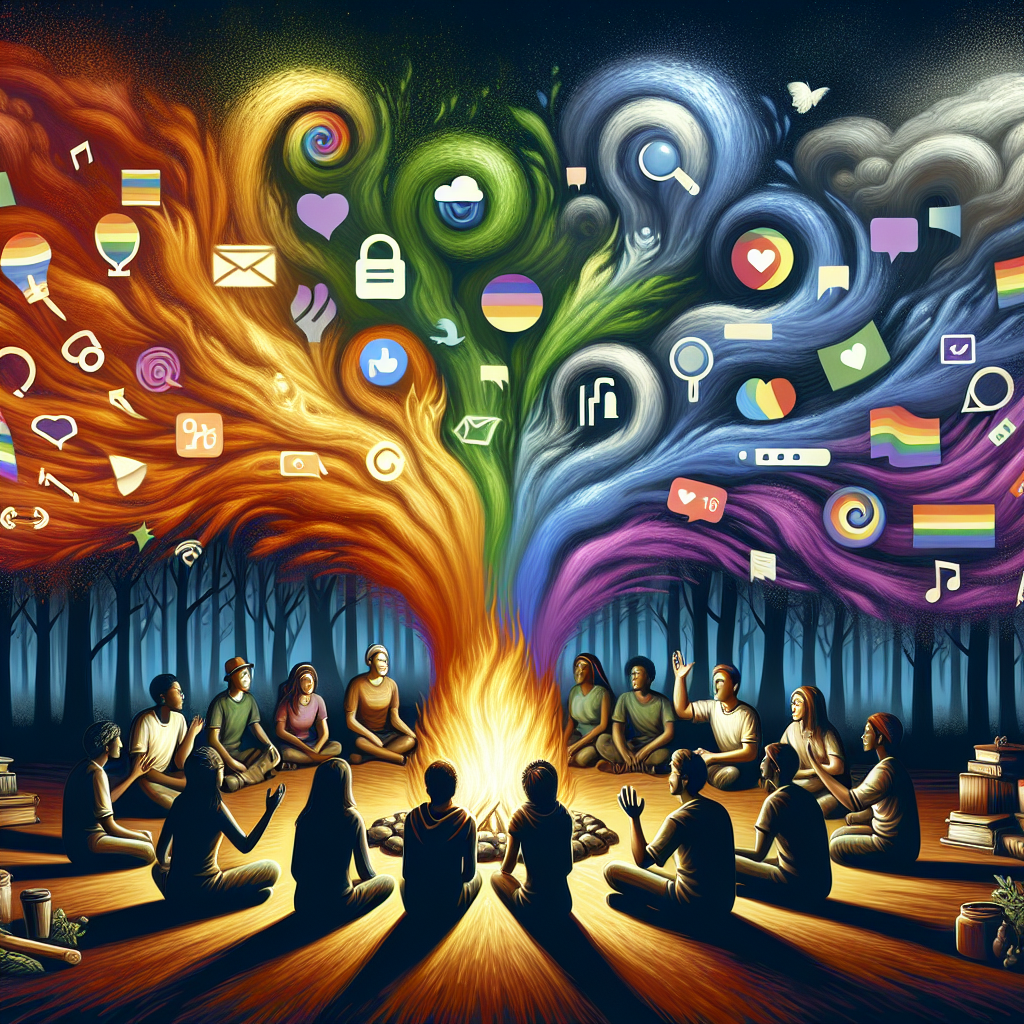
The Role of Education in Debunking Myths
Education plays a pivotal role in dismantling myths and fostering acceptance. By providing factual, comprehensive information, educational initiatives can challenge stereotypes and promote understanding. This involves integrating LGBTQ topics into school curricula, training teachers, and creating safe spaces for discussions. 📘
Moreover, education doesn’t stop at schools. Community programs, online courses, and public awareness campaigns can reach a broader audience, ensuring that accurate information is accessible to all age groups and demographics.
Successful Educational Initiatives
Several educational initiatives have made significant strides in combating misinformation about LGBTQ issues. For example, the “No Outsiders” program in the UK aims to teach primary school children about diversity and inclusion through storybooks and discussions. 🏫
In the United States, the Gay, Lesbian & Straight Education Network (GLSEN) provides resources and training for educators to create LGBTQ-inclusive classrooms. Their efforts have shown positive outcomes, reducing bullying and improving the mental health of LGBTQ students.
Online platforms such as The Trevor Project also offer educational resources and support for LGBTQ youth, helping them navigate challenges and misinformation they may encounter.
Challenges in Implementing Educational Programs
While educational initiatives are vital, they face several challenges. Resistance from certain groups, lack of funding, and insufficient training for educators can hinder the effective implementation of programs. 🤯
Additionally, there is a need to tailor educational content to diverse cultural contexts, ensuring it resonates with and is respectful of local values while promoting inclusivity. Overcoming these obstacles requires collaboration between governments, educational institutions, and LGBTQ organizations.
Conclusion
Combating misinformation about LGBTQ issues through education is an ongoing effort that requires dedication and collaboration. By fostering understanding and acceptance, educational initiatives can help create a world where everyone, regardless of their identity, feels valued and respected. 🌍
As we continue to advance these efforts, it’s crucial to support and engage with educational programs, advocate for inclusive policies, and remain committed to the truth. Together, we can dismantle misinformation and build a more inclusive society for all.
FAQs
Q1: Why is it important to combat misinformation about LGBTQ issues?
A1: Misinformation can lead to stigma, discrimination, and a lack of understanding, negatively impacting the rights and wellbeing of LGBTQ individuals.
Q2: How can schools integrate LGBTQ topics into their curricula?
A2: Schools can include LGBTQ topics by incorporating them into health and social studies classes and by providing training for teachers to handle discussions sensitively and informatively.
Q3: What role do online platforms play in educating the public about LGBTQ issues?
A3: Online platforms offer accessible resources and support for LGBTQ individuals and allies, helping to spread accurate information and debunk myths efficiently.
Q4: What can individuals do to support educational initiatives?
A4: Individuals can support initiatives by advocating for inclusive policies, participating in community programs, and educating themselves and others about LGBTQ issues.