

Being an LGBTQ Ally: How to Offer Genuine Support
In today’s diverse and vibrant world, being an ally to the LGBTQ community is more important than ever. Yet, understanding how to offer genuine support can sometimes feel daunting. Whether you’re looking to deepen your allyship or are just starting your journey, this guide will help you navigate the path with empathy and understanding.
Table of Contents
1. Understanding What It Means to Be an Ally
2. Educate Yourself
3. Listen and Empathize
4. Speak Up and Stand Out
5. Support LGBTQ Rights and Events
6. Create Inclusive Environments
7. Common FAQs About Being an LGBTQ Ally
8. Conclusion
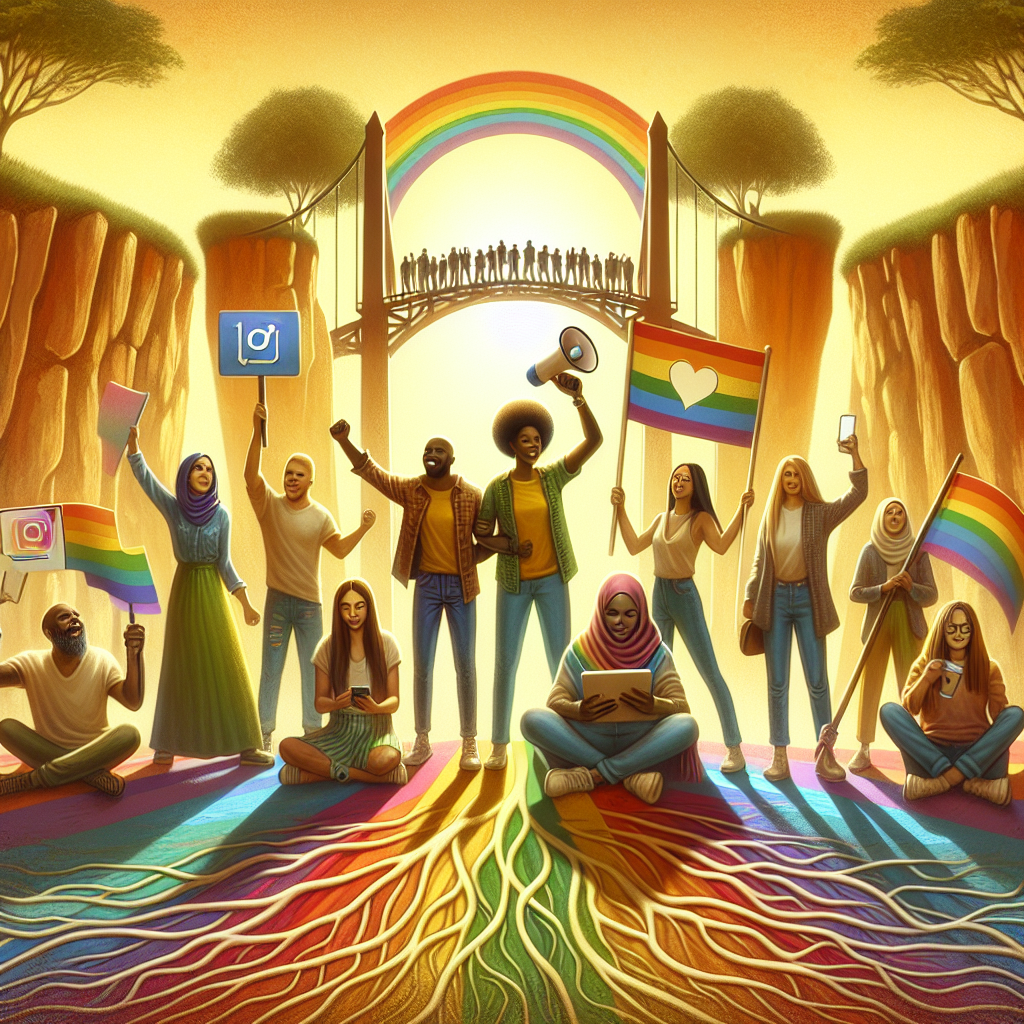
Understanding What It Means to Be an Ally
At its core, being an ally involves supporting and advocating for the rights and well-being of LGBTQ individuals. It’s about recognizing and addressing the challenges they face and standing by them in their fight for equality. An ally is someone who listens, learns, and acts to challenge prejudice and discrimination.
Educate Yourself
One of the most crucial steps in becoming an effective ally is education. Familiarize yourself with LGBTQ history, terminology, and the current issues affecting the community. Resources like books, documentaries, and reputable online platforms can provide valuable insights. Remember, knowledge is power, and understanding the struggles and triumphs of the LGBTQ community will equip you to offer more meaningful support.

Listen and Empathize
Listening is one of the simplest yet most profound ways to show support. Take the time to hear the stories and experiences of LGBTQ individuals. Approach conversations with an open mind, and avoid making assumptions. Empathy is about connecting with others on a human level—acknowledge their feelings and validate their experiences without judgment.
Speak Up and Stand Out
Being an ally means taking a stand against homophobia, transphobia, and any form of discrimination. Use your voice to speak out against injustice, whether in casual conversations or larger public forums. Social media can be a powerful tool for advocacy—share articles, support campaigns, and amplify LGBTQ voices. Remember that silence can often be perceived as complicity, so commit to speaking up when it matters.
Support LGBTQ Rights and Events
Show your allyship by actively supporting LGBTQ rights and participating in events. Attend Pride parades, donate to LGBTQ charities, and support businesses that champion equality. By engaging with the community and its causes, you demonstrate a commitment to fostering inclusive and diverse spaces.
Create Inclusive Environments
Inclusivity starts at home, in workplaces, and within communities. Encourage policies and practices that promote equality and respect for all individuals. Whether it’s using inclusive language, adapting gender-neutral restrooms, or ensuring diverse representation, small actions can lead to significant change. Remember, creating a safe and welcoming environment is a collective responsibility.
Common FAQs About Being an LGBTQ Ally
Q: How can I be an ally if I’m unsure of the right terminology?
A: It’s okay not to know everything. Keep learning and ask respectfully if you’re unsure. Most people appreciate the effort to understand and use correct terms.
Q: What should I do if I make a mistake?
A: Apologize sincerely and learn from the experience. Mistakes are part of the learning process—what matters is your commitment to doing better.
Q: How can I support LGBTQ friends or family members?
A: Be there for them, listen without judgment, and offer your support. Celebrate their identity and be a source of encouragement in their life.
Conclusion
Being an LGBTQ ally is a journey of continuous learning and action. It’s about standing in solidarity and advocating for a world where everyone is valued and accepted. By educating yourself, listening with empathy, and taking meaningful action, you can make a difference. Remember, the essence of allyship lies in love, respect, and unwavering support. 🌈