Influential LGBTQ Figures: Shaping American History
In the tapestry of American history, the contributions of LGBTQ figures often remain hidden in the margins. Yet, these individuals have played pivotal roles in shaping the cultural, political, and social landscapes of the nation. From trailblazing activists to iconic artists, their stories are a testament to resilience, courage, and the relentless pursuit of equality. Let’s dive into the lives of some influential LGBTQ figures who have left an indelible mark on American history. 🌈
Introduction
The LGBTQ community has long been a vital part of the American narrative, contributing to advancements in civil rights, arts, and culture. Despite facing systemic discrimination and adversity, these individuals have persevered, becoming beacons of hope and change. This blog post celebrates those who have made significant impacts, ensuring their voices are heard and their legacies remembered.
Harvey Milk: A Political Pioneer
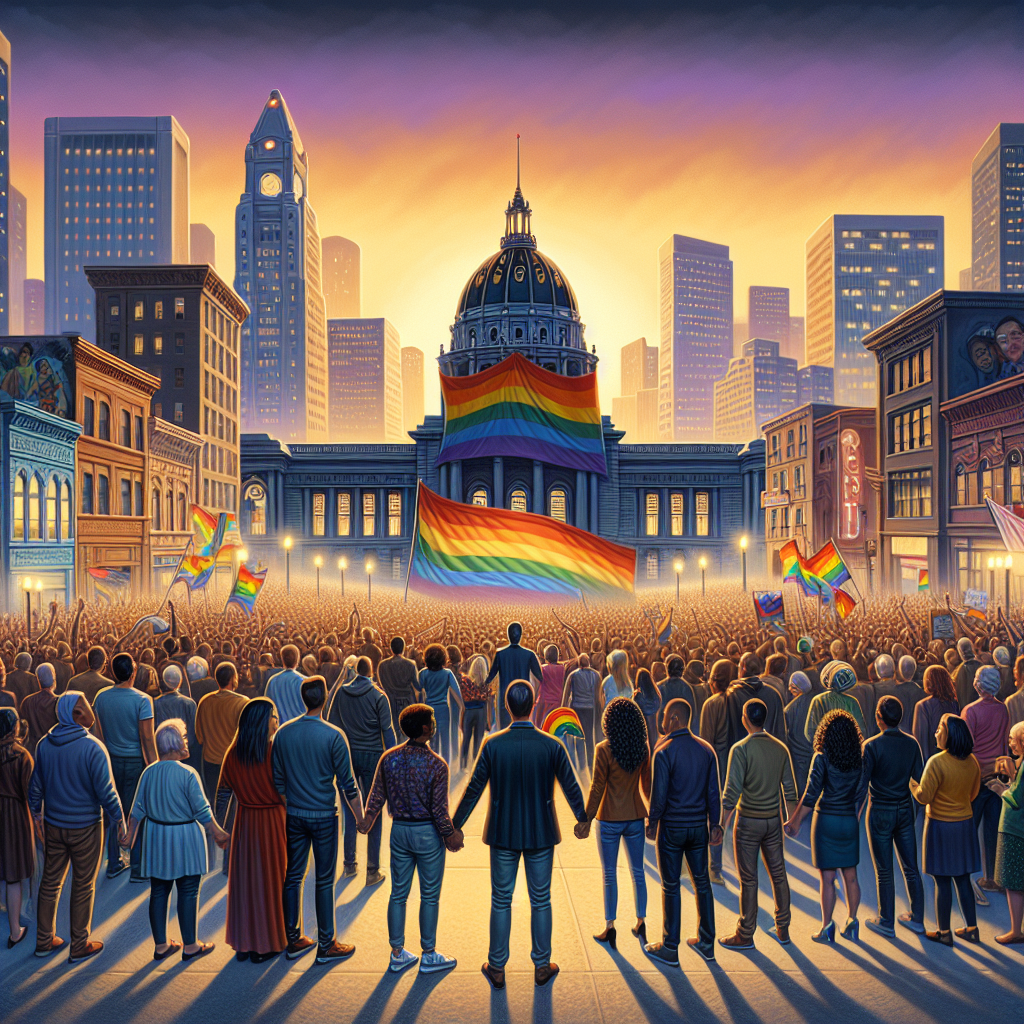
Harvey Milk, one of the first openly gay elected officials in the United States, served as a member of the San Francisco Board of Supervisors. His election in 1977 marked a turning point in LGBTQ rights, as Milk became a powerful advocate for equality. His charismatic leadership and ability to unite diverse communities helped pave the way for future generations of LGBTQ politicians. Tragically, Milk’s life was cut short in 1978 when he was assassinated, but his legacy endures, inspiring countless individuals to continue the fight for justice.
Audre Lorde: The Warrior Poet
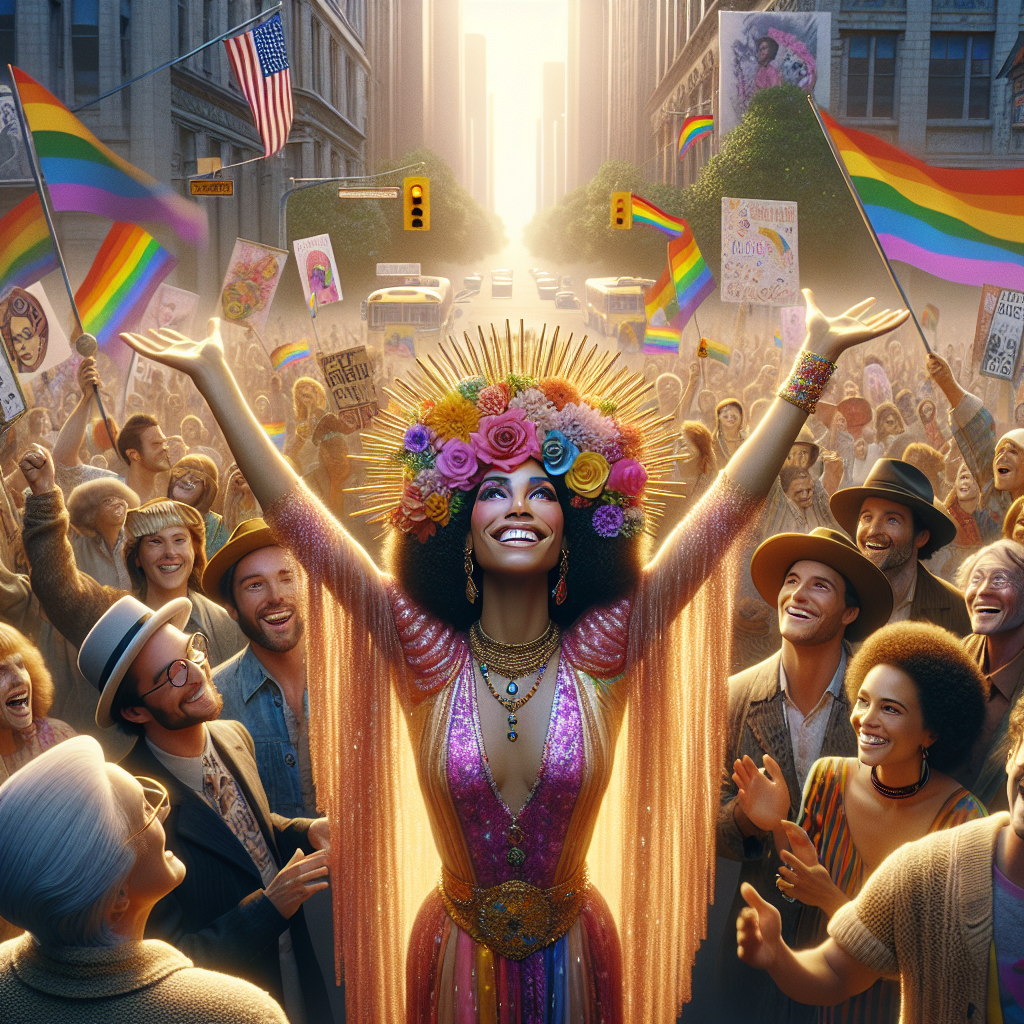
Audre Lorde, a self-described “black, lesbian, mother, warrior, poet,” was a prominent voice in the feminist and civil rights movements. Her work challenged the intersections of race, gender, and sexuality, advocating for a more inclusive approach to social justice. Lorde’s poetry and essays, including “Sister Outsider” and “The Cancer Journals,” continue to resonate, encouraging readers to confront injustice and embrace their authentic selves. Through her powerful words, Lorde has become an enduring symbol of resistance and empowerment.
Bayard Rustin: The Unsung Hero of Civil Rights
Bayard Rustin was a key figure in the Civil Rights Movement, best known for organizing the 1963 March on Washington. As a close advisor to Martin Luther King Jr., Rustin played a crucial role in shaping the movement’s nonviolent philosophy. Despite his significant contributions, Rustin’s openness about his sexuality often relegated him to the background of history. In recent years, his legacy has been re-evaluated, highlighting the integral role LGBTQ individuals have played in the struggle for racial equality.
Marsha P. Johnson: A Catalyst for Change
Marsha P. Johnson, a transgender activist and drag performer, was a central figure in the Stonewall Uprising of 1969, a pivotal event in the LGBTQ rights movement. Johnson’s courage and activism helped galvanize a burgeoning movement, leading to the formation of organizations like the Gay Liberation Front. Her tireless advocacy for transgender and homeless individuals remains influential, as the fight for LGBTQ rights continues to evolve. Marsha P. Johnson’s life and legacy remind us of the power of visibility and activism in driving societal change.
Conclusion
The stories of these influential LGBTQ figures highlight the diverse contributions to American history, illustrating the power of courage and resilience. As we reflect on their legacies, we recognize the ongoing struggle for equality and the importance of amplifying marginalized voices. These trailblazers remind us that change is possible, and their enduring impact continues to inspire new generations to fight for justice and acceptance.
FAQs
Q: Why is it important to recognize LGBTQ figures in history?
A: Recognizing LGBTQ figures in history is crucial because it highlights their contributions and struggles, ensuring their stories are not forgotten. This acknowledgment fosters a more inclusive understanding of history and empowers marginalized communities.
Q: How did Harvey Milk impact the LGBTQ rights movement?
A: Harvey Milk’s election as one of the first openly gay officials in the U.S. symbolized a significant step forward for LGBTQ visibility and political representation. His advocacy for equality and his ability to unite diverse communities paved the way for future LGBTQ politicians and activists.
Q: What was Marsha P. Johnson’s role in the Stonewall Uprising?
A: Marsha P. Johnson was a central figure in the Stonewall Uprising, a key event in the LGBTQ rights movement. Her activism and leadership helped galvanize the movement and led to the formation of important advocacy organizations.
Q: How did Audre Lorde’s work impact social justice movements?
A: Audre Lorde’s work challenged the intersections of race, gender, and sexuality, advocating for a more inclusive approach to social justice. Her writings continue to inspire individuals to confront injustice and embrace their authentic selves.
As we continue to navigate the complexities of social justice, the stories of these remarkable individuals serve as a guiding light, reminding us of the enduring power of courage, resilience, and the relentless pursuit of equality. 🌟