
Inside the MAGA Movement: LGBTQ Individuals Voting Against Their Rights
The political landscape in the United States is a dynamic and often contentious arena, with the MAGA movement at its epicenter. Surprisingly, within this movement, there exists a subset of LGBTQ individuals who support policies and politicians seemingly at odds with their own rights and interests. This phenomenon raises questions about identity, ideology, and the complexities of political allegiance.
Table of Contents:
1. Understanding the MAGA Movement
2. The LGBTQ Community and Political Diversity
3. Reasons for LGBTQ Support within the MAGA Movement
4. The Paradox of Voting Against One’s Rights
5. Personal Stories: Voices from the Movement
6. FAQs
7. Conclusion
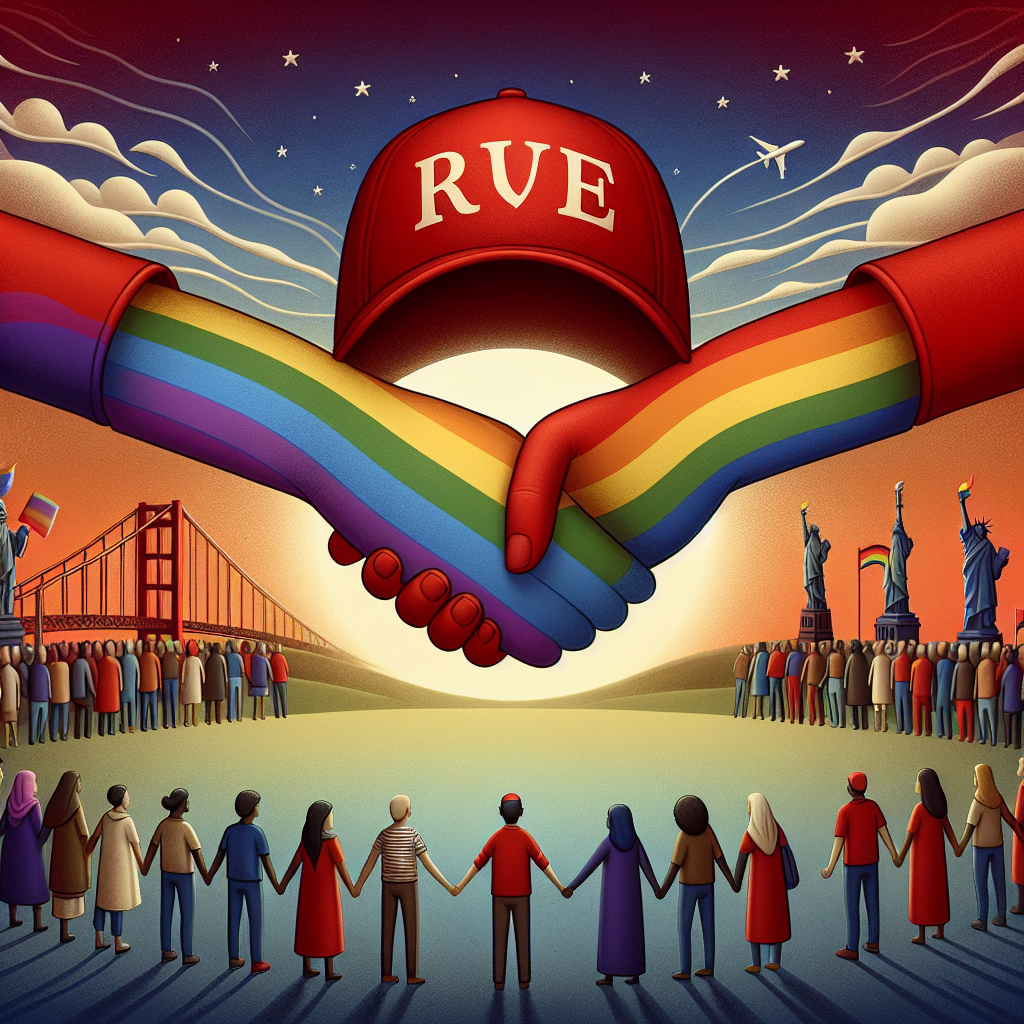
Understanding the MAGA Movement
The Make America Great Again (MAGA) movement, spearheaded by former President Donald Trump, is characterized by its nationalist and populist rhetoric. It appeals to a broad spectrum of Americans who feel disenfranchised or overlooked by traditional political establishments. While often associated with conservative values, the movement is not monolithic, encompassing a diverse range of beliefs and motivations.
The LGBTQ Community and Political Diversity
The LGBTQ community is far from homogeneous when it comes to political beliefs. While many LGBTQ individuals traditionally align with progressive or left-leaning policies that advocate for equality and anti-discrimination, there is a significant portion that identifies with conservative or right-wing ideologies. This diversity reflects the broader spectrum of political thought within any community.
Reasons for LGBTQ Support within the MAGA Movement
There are several reasons why some LGBTQ individuals might find themselves aligned with the MAGA movement:
1. Economic Policies: For some, economic policies touted by MAGA proponents, such as tax cuts and deregulation, resonate more strongly than social issues. The belief in a free-market economy where businesses thrive can be a compelling reason to support the movement.
2. National Security and Immigration: Concerns about national security and immigration are also important to some LGBTQ individuals who prioritize safety and border control over other issues.
3. Anti-Establishment Sentiment: A significant portion of the MAGA base is driven by anti-establishment sentiment. For LGBTQ individuals who feel that traditional parties have failed to deliver meaningful change, the outsider status of the MAGA movement can be appealing.
The Paradox of Voting Against One’s Rights
Supporting a movement that may not align with LGBTQ rights can seem paradoxical. Critics argue that this support undermines the progress made in areas such as marriage equality and anti-discrimination protections. However, for some, the alignment with broader political or ideological beliefs takes precedence over specific social issues.
Personal Stories: Voices from the Movement
Understanding the motivations behind this support requires listening to the voices of LGBTQ individuals within the MAGA movement.
Alex’s Story: “I grew up in a conservative household, and while my identity as a gay man is important, I deeply value economic freedom and national security. The MAGA movement aligns with those priorities for me.”
Jordan’s Perspective: “As a trans person, I often feel like my concerns are not heard by either side. The MAGA movement, despite its flaws, offers a platform where I can voice my concerns about government overreach and personal freedoms.”
FAQs
Q: How common is LGBTQ support within the MAGA movement?
A: While not the majority, LGBTQ individuals do form a notable minority within the movement, reflecting the political diversity of the community.
Q: Does supporting MAGA mean opposing LGBTQ rights?
A: Not necessarily. Some supporters prioritize other issues such as economic policy or immigration over specific LGBTQ rights.
Q: How do LGBTQ MAGA supporters reconcile potential conflicts with their rights?
A: Many prioritize broader political ideologies over specific social issues, believing that other principles are more pressing or beneficial.
Conclusion
The intersection of LGBTQ identities and the MAGA movement is a complex and multifaceted topic. It challenges stereotypes about political affiliations and highlights the diversity within both the LGBTQ community and the MAGA movement itself. Ultimately, understanding this phenomenon requires a willingness to listen and engage with diverse perspectives, even when they seem contradictory. The American political landscape is enriched by these varied voices, each contributing to the ongoing dialogue about identity, rights, and political allegiance. 🌈🤝