

The Rich Tapestry of LGBTQ History: A Journey Through Time
As we delve into the rich tapestry of LGBTQ history, we uncover stories of resilience, courage, and triumph. This journey through time is not just about understanding the past; it’s about recognizing the struggles and victories that have shaped the present and will continue to influence the future. Join us as we explore the milestones of LGBTQ history, celebrating the individuals and movements that have paved the way for equality and acceptance. 🌈
Table of Contents
1. Introduction to LGBTQ History
2. Ancient Cultures and LGBTQ Representation
3. The Middle Ages: Hidden Lives and Forbidden Love
4. The Enlightenment and the Rise of LGBTQ Awareness
5. 20th Century: A Century of Change
6. Modern Movements and Milestones
7. Conclusion
8. FAQs
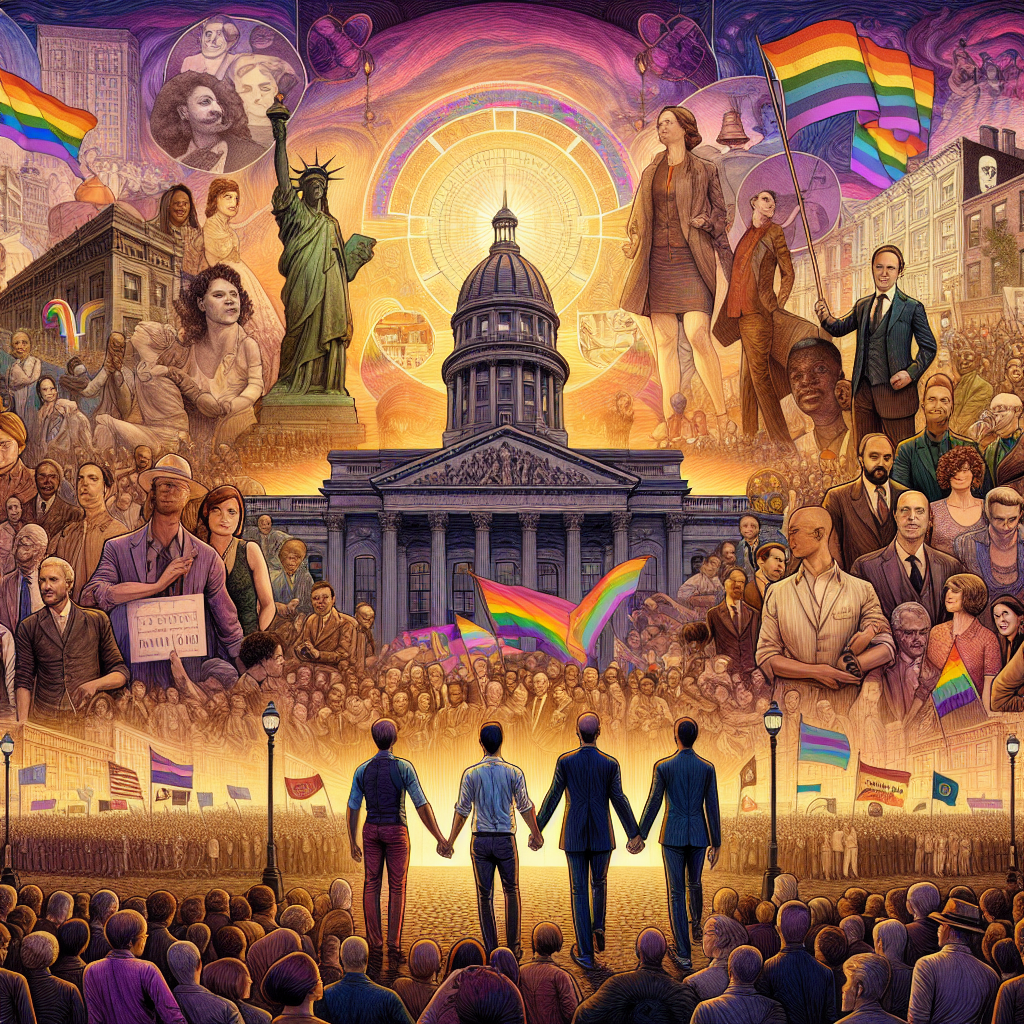
Introduction to LGBTQ History
LGBTQ history is a testament to the enduring spirit of a community that has faced immense challenges. Understanding this history is crucial for appreciating the progress made and recognizing the work that still needs to be done. From ancient times to the present day, LGBTQ individuals have been part of every society, contributing to its cultural and social development.
Ancient Cultures and LGBTQ Representation
In ancient civilizations, LGBTQ individuals often held esteemed positions. For example, in Ancient Greece, same-sex relationships were not only accepted but also celebrated. The Sacred Band of Thebes, an elite military unit, was composed of male lovers whose bond was believed to enhance their combat effectiveness. Similarly, in many Native American cultures, Two-Spirit people were revered for their unique perspectives and spiritual roles.
The Middle Ages: Hidden Lives and Forbidden Love
The Middle Ages were a time of suppression for LGBTQ individuals. The rise of religious orthodoxy led to the persecution of those who did not conform to traditional gender roles and sexual norms. Despite this, LGBTQ people found ways to express their identities and love in secret. Tales of knights and their beloved squires, as well as coded poetry and songs, reveal a hidden world of same-sex affection.
The Enlightenment and the Rise of LGBTQ Awareness
The Enlightenment era brought about a new way of thinking, challenging traditional beliefs and advocating for individual rights. This period saw the first signs of LGBTQ activism, as thinkers began to question the criminalization of homosexuality. The works of authors like Oscar Wilde and the emergence of early gay subcultures in major cities marked the beginning of a more open discussion about sexuality and identity.
20th Century: A Century of Change
The 20th century was a turning point for LGBTQ rights. The Stonewall Riots of 1969 in New York City are often cited as the catalyst for the modern LGBTQ rights movement. This era saw the formation of numerous advocacy groups, the decriminalization of homosexuality in many countries, and the first pride parades. Figures like Harvey Milk and Marsha P. Johnson became symbols of hope and change, inspiring generations to fight for equality.
Modern Movements and Milestones
Today, the LGBTQ movement continues to push for equal rights and social acceptance. Legal milestones such as the legalization of same-sex marriage in numerous countries and the inclusion of LGBTQ individuals in anti-discrimination laws demonstrate significant progress. However, challenges remain, particularly in regions where LGBTQ rights are still under threat. The ongoing fight for equality highlights the importance of solidarity and activism within the community.
Conclusion
The journey through LGBTQ history is a reminder of the resilience and determination of a community that has continuously strived for recognition and equality. By honoring the past and acknowledging the struggles and triumphs of LGBTQ individuals, we can build a more inclusive future. Let us celebrate the diversity that enriches our world and continue to advocate for the rights of all individuals, regardless of their sexual orientation or gender identity. 🏳️🌈
FAQs
Q: Why is it important to learn about LGBTQ history?
A: Understanding LGBTQ history is crucial for recognizing the struggles and achievements of the community. It helps promote empathy, acceptance, and informed advocacy for equal rights.
Q: What are some key milestones in LGBTQ history?
A: Significant milestones include the Stonewall Riots, the decriminalization of homosexuality, and the legalization of same-sex marriage in several countries.
Q: How can I support the LGBTQ community today?
A: Support can be shown through advocacy, education, and allyship. Participating in events, donating to LGBTQ organizations, and promoting inclusive policies are effective ways to contribute.
Q: Are there still challenges facing the LGBTQ community?
A: Yes, challenges remain, particularly in areas with discriminatory laws and social stigma. Continuous advocacy and education are needed to address these issues.