Exploring History Through Queer Art: An Artistic Journey
Art has always been a mirror reflecting the myriad facets of human experience. Among these reflections, queer art stands as a vibrant testament to the resilience, struggles, and triumphs of the LGBTQ+ community. This blog post takes you on an artistic journey through history, exploring how queer art has evolved and influenced society. 🌈
Table of Contents
1. Introduction to Queer Art
2. The Roots of Queer Art
3. Queer Art in the 20th Century
4. Modern Queer Art: A Diverse Landscape
5. Impact of Queer Art on Society
6. Conclusion
7. FAQs
Introduction to Queer Art
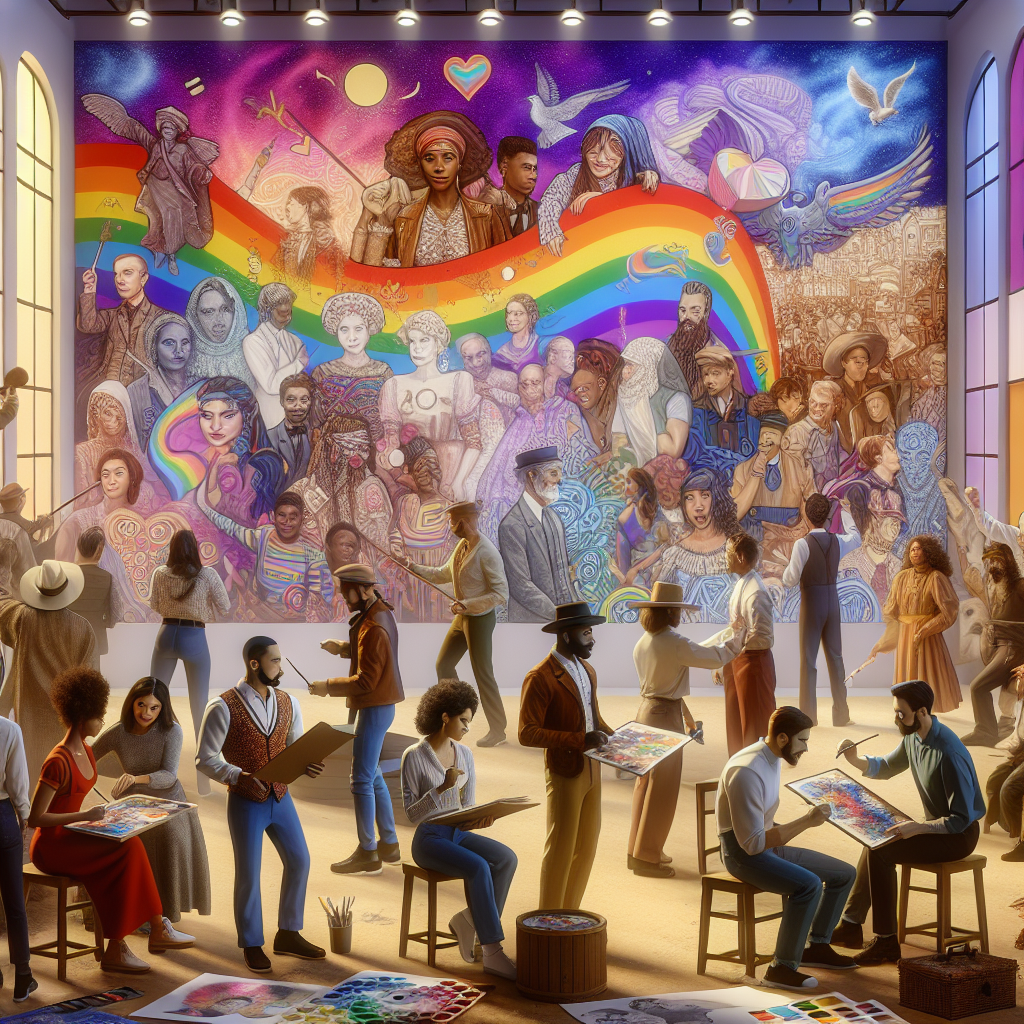
Queer art is more than just a genre; it is a movement that captures the essence of LGBTQ+ identities and experiences. It challenges societal norms and invites viewers to see the world through a different lens. But what makes queer art so compelling is its ability to tell stories that often go unheard, giving voice to those who have been marginalized throughout history.
The Roots of Queer Art
Queer art has deep roots, reaching back to ancient civilizations. From the homoerotic imagery of ancient Greece to the gender-fluid depictions seen in Renaissance art, LGBTQ+ themes have been subtly woven into the fabric of artistic expression for centuries. These early artworks serve as a reminder that queer identities have always existed, even if they were not always recognized.
During these eras, queer art was often coded or hidden, a necessity in societies where homosexuality was taboo. This coded language allowed artists to express their identities and desires without facing persecution, creating a clandestine cultural dialogue that resonates with contemporary audiences.
Queer Art in the 20th Century
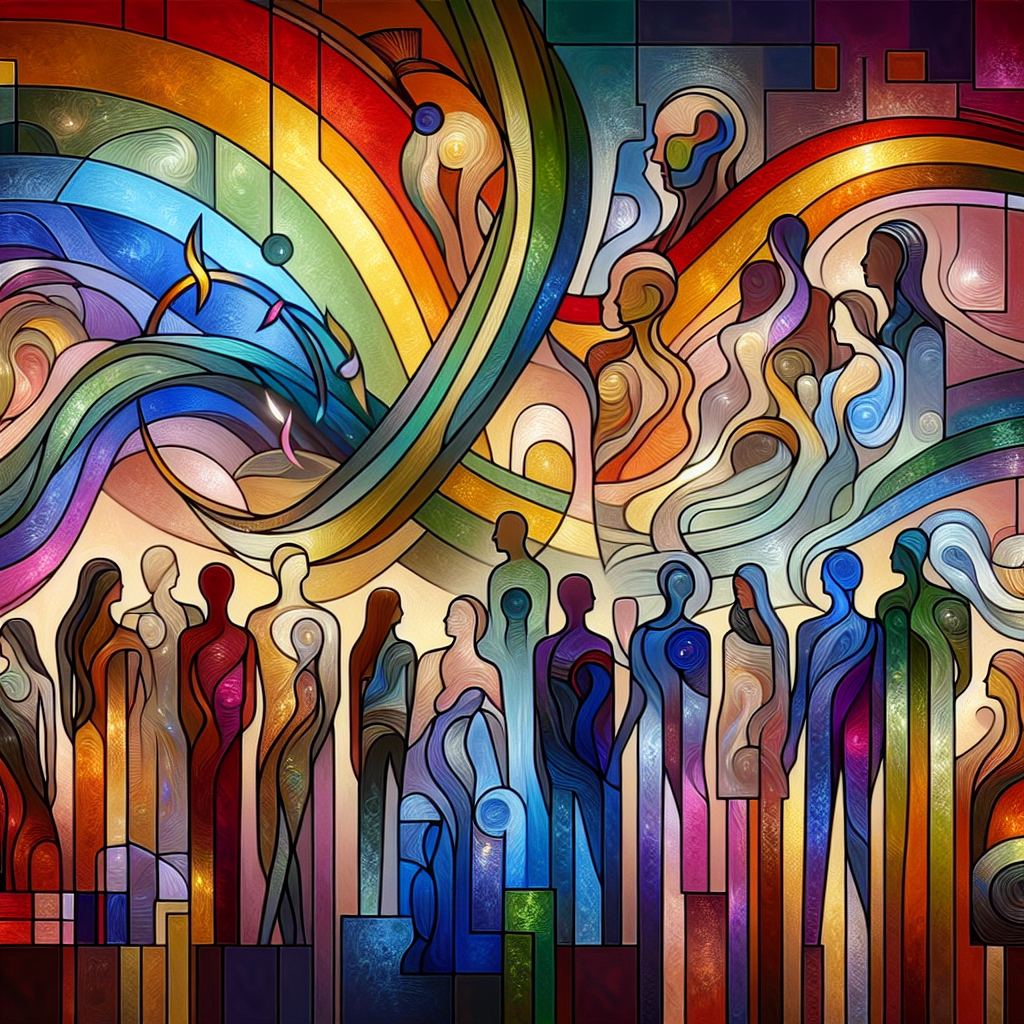
The 20th century marked a pivotal moment for queer art, as societal attitudes began to shift and artists felt more empowered to explore their identities openly. The post-war period, in particular, saw a flourishing of queer expression in art.
Artists like Frida Kahlo and Andy Warhol challenged traditional norms and used their work to explore themes of gender and sexuality. Kahlo’s autobiographical works often depicted her complex relationships and non-conforming identity, while Warhol’s pop art celebrated queer culture in vibrant, unapologetic ways.
This era also saw the rise of the LGBTQ+ rights movement, which was both influenced by and an influencer of queer art. As activism gained momentum, so did the visibility of queer artists, who used their platforms to advocate for change and acceptance.
Modern Queer Art: A Diverse Landscape
Today, queer art is as diverse as the community it represents. Contemporary artists continue to push boundaries and explore new mediums, from digital art to performance pieces. This diversity not only reflects the multiplicity of queer experiences but also highlights the intersectionality within the community.
Artists like Zanele Muholi and Felix Gonzalez-Torres have become voices for the LGBTQ+ community, using their art to address issues such as race, gender, and identity. Muholi’s photography documents the lives of black lesbians in South Africa, while Gonzalez-Torres’s minimalist installations often carry poignant messages about love and loss.
The internet has also played a crucial role in the dissemination of queer art, providing a platform for artists to reach global audiences and create communities that transcend geographical boundaries. Social media and online galleries have democratized art, allowing for a more inclusive and representative art world.
Impact of Queer Art on Society
Queer art has a profound impact on society, fostering understanding and empathy. By challenging stereotypes and presenting authentic narratives, it encourages dialogue and promotes acceptance. The visibility of queer art has helped to dismantle prejudices and has paved the way for greater inclusivity in the art world and beyond.
Moreover, queer art serves as a source of inspiration and empowerment for LGBTQ+ individuals, offering a sense of belonging and validation. It reminds us of the resilience of a community that has faced adversity and emerged with creativity and strength.
Conclusion
Exploring history through queer art is an enriching journey that reveals the power of art to transcend time and challenge the status quo. As society continues to evolve, queer art will undoubtedly remain a crucial voice, advocating for love, diversity, and acceptance. Let us celebrate the artists who have paved the way and those who continue to push boundaries, ensuring that queer narratives remain an integral part of our cultural heritage. 🌟
FAQs
What defines queer art?
Queer art is defined by its exploration and representation of LGBTQ+ themes and identities. It challenges traditional norms and often advocates for social change.
Who are some notable queer artists?
Some notable queer artists include Frida Kahlo, Andy Warhol, Zanele Muholi, and Felix Gonzalez-Torres, among many others.
How has queer art influenced society?
Queer art has influenced society by fostering empathy, promoting inclusivity, and challenging stereotypes. It has been instrumental in advocating for LGBTQ+ rights and visibility.
Where can I see queer art?
Queer art can be seen in galleries, museums, and online platforms dedicated to promoting LGBTQ+ artists and their work.