
Exploring LGBTQ Spirituality: Diverse Beliefs and Practices
In recent years, there has been growing interest in understanding the intersection of LGBTQ identities and spirituality. As more individuals seek spiritual paths that resonate with their personal identities, it’s essential to explore the diverse beliefs and practices within the LGBTQ community. This blog post delves into the rich tapestry of LGBTQ spirituality, highlighting unique perspectives and fostering a deeper understanding of this vital aspect of identity.
Table of Contents
1. Introduction
2. Understanding LGBTQ Spirituality
3. Diverse Spiritual Beliefs within the LGBTQ Community
4. Inclusive Spiritual Practices
5. Navigating Challenges and Building Community
6. Conclusion
7. FAQs
Understanding LGBTQ Spirituality
Spirituality often serves as a source of comfort, guidance, and community. For LGBTQ individuals, spiritual journeys can be particularly significant, offering a space for self-acceptance and exploration. LGBTQ spirituality encompasses a wide range of beliefs and practices, from traditional religious affiliations to more eclectic or non-traditional paths. 🌈
At its core, LGBTQ spirituality is about finding meaning and connection. Whether through organized religion, meditation, nature, or other forms of spiritual practice, many LGBTQ individuals seek spiritual paths that affirm their identities and provide a sense of belonging. This quest for meaning often involves challenging traditional norms and creating new, inclusive spiritual practices.
Diverse Spiritual Beliefs within the LGBTQ Community
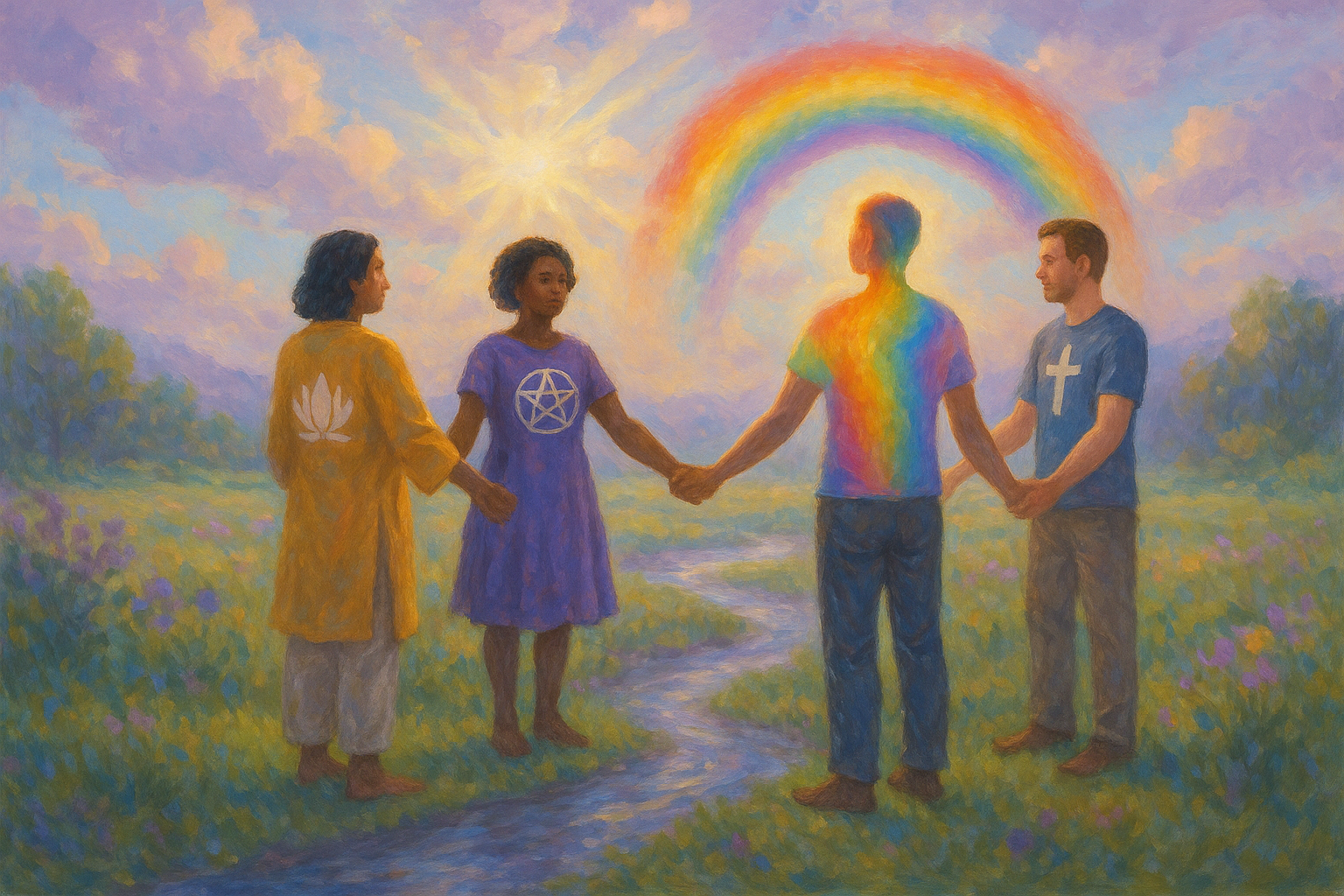
The diversity within the LGBTQ community extends to spiritual beliefs as well. Some individuals remain within traditional religious frameworks, advocating for inclusivity and acceptance within these communities. For example, many Christian denominations have begun to embrace LGBTQ members, emphasizing love and acceptance over exclusion.
Others may find resonance in alternative spiritual paths, such as Paganism, Buddhism, or Indigenous spiritual practices. These paths often emphasize interconnectedness, personal empowerment, and a deep respect for nature, aligning closely with the values many LGBTQ individuals hold dear.
Moreover, secular spirituality is gaining traction, where individuals find spiritual fulfillment outside traditional religious structures, focusing on mindfulness, personal growth, and ethical living. This approach allows for a personalized spiritual experience, free from dogma.
Inclusive Spiritual Practices
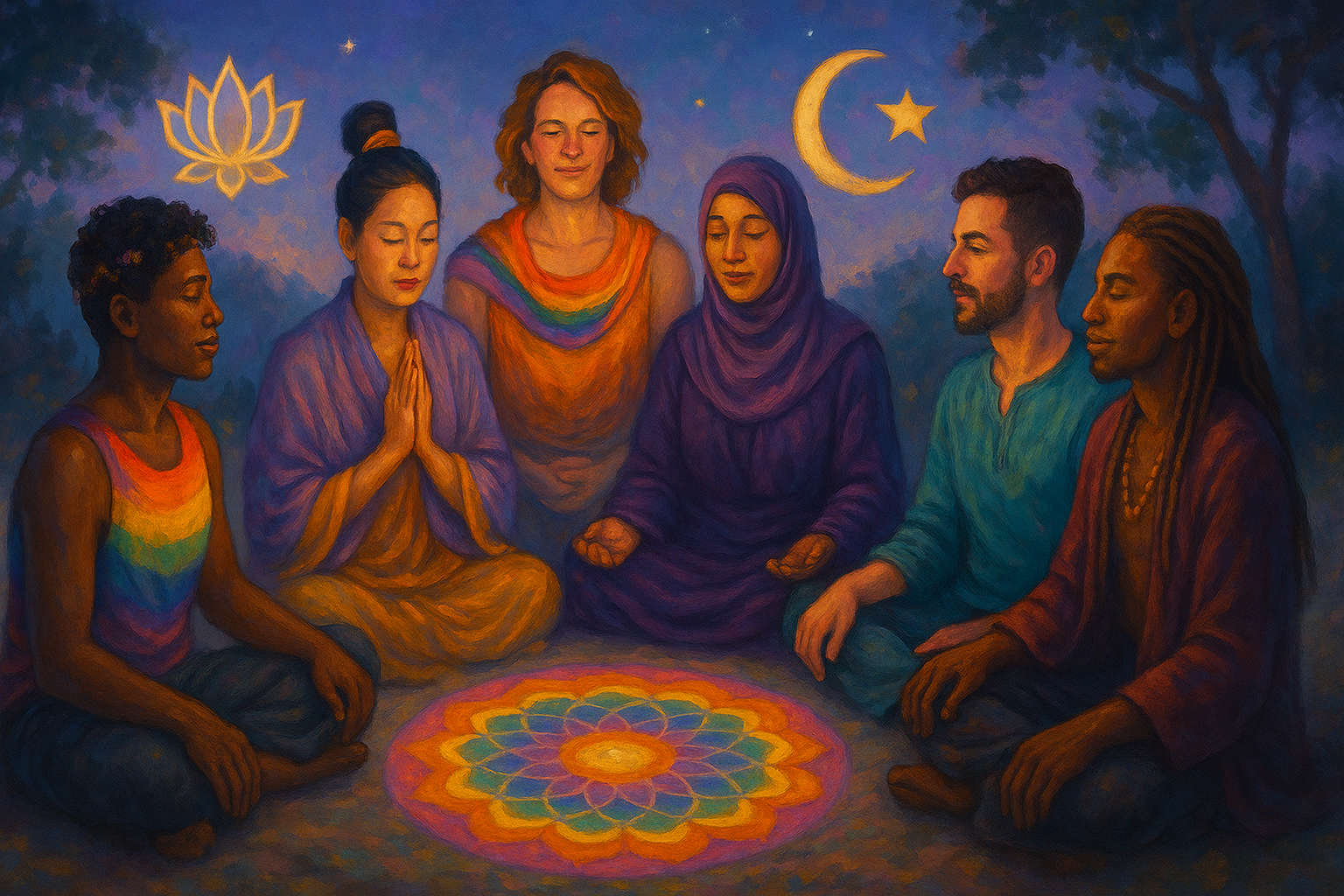
Inclusive spiritual practices are vital for creating spaces where LGBTQ individuals feel welcome and accepted. Many LGBTQ people incorporate rituals that celebrate their identities and foster community, such as pride-themed spiritual events, meditation groups, or LGBTQ-friendly religious services.
In addition, online communities and social media platforms have become invaluable resources for LGBTQ individuals seeking spiritual connection. These platforms provide access to a global network of like-minded individuals, offering support, shared experiences, and resources for spiritual growth. 📱
Some communities have also developed LGBTQ-specific spiritual retreats and workshops, focusing on healing, empowerment, and connection with others who share similar journeys. These retreats often provide a safe space for personal exploration and community building.
Navigating Challenges and Building Community
While there are many positive aspects of LGBTQ spirituality, challenges remain. Discrimination, exclusion, and misunderstanding can still occur within religious and spiritual communities. Navigating these challenges requires resilience and often involves building supportive networks of allies and fellow LGBTQ individuals.
Creating inclusive spaces within existing religious communities or forming entirely new spiritual communities can be empowering. By advocating for change and fostering acceptance, LGBTQ individuals can transform spiritual spaces into environments that celebrate diversity and nurture spiritual growth.
Conclusion
Exploring LGBTQ spirituality reveals a rich and varied landscape of beliefs and practices. By understanding and embracing this diversity, we can create more inclusive and supportive spiritual communities that honor the unique journeys of LGBTQ individuals. Through shared experiences, advocacy, and a commitment to inclusivity, LGBTQ spirituality can thrive, offering solace, connection, and empowerment to all who seek it. 🌟
FAQs
Q: What is LGBTQ spirituality?
A: LGBTQ spirituality refers to the diverse spiritual beliefs and practices within the LGBTQ community, emphasizing personal identity, inclusivity, and connection.
Q: How can spiritual communities become more inclusive for LGBTQ individuals?
A: Spiritual communities can promote inclusivity by advocating for acceptance, creating LGBTQ-friendly events, and fostering open dialogue about diverse identities.
Q: Are there specific spiritual paths that resonate more with LGBTQ individuals?
A: While many LGBTQ individuals find resonance in alternative spiritual paths like Paganism or Buddhism, spirituality is deeply personal, and individuals may find fulfillment in various traditions.
Q: How can LGBTQ individuals find supportive spiritual communities?
A: Online platforms, social media, and LGBTQ-specific retreats are excellent resources for finding supportive spiritual communities and connecting with like-minded individuals.