

Pride and Protest: Balancing Celebration and Activism
In recent years, Pride events have become synonymous with vibrant parades, colorful outfits, and joyous celebrations. However, the foundational roots of Pride are deeply entrenched in protest and activism. As we continue to honor the LGBTQ+ community’s journey, it is crucial to strike a balance between celebrating progress and continuing the fight for equality. In this blog post, we’ll explore how Pride can effectively serve as both a celebration and a protest.
Table of Contents
1. Introduction to Pride’s Dual Nature
2. The Evolution of Pride: From Protest to Parade
3. The Importance of Activism in Pride
4. Celebrating Achievements: Why Celebration Matters
5. Finding the Balance: Tips for Organizers
6. FAQs
7. Conclusion
Introduction to Pride’s Dual Nature
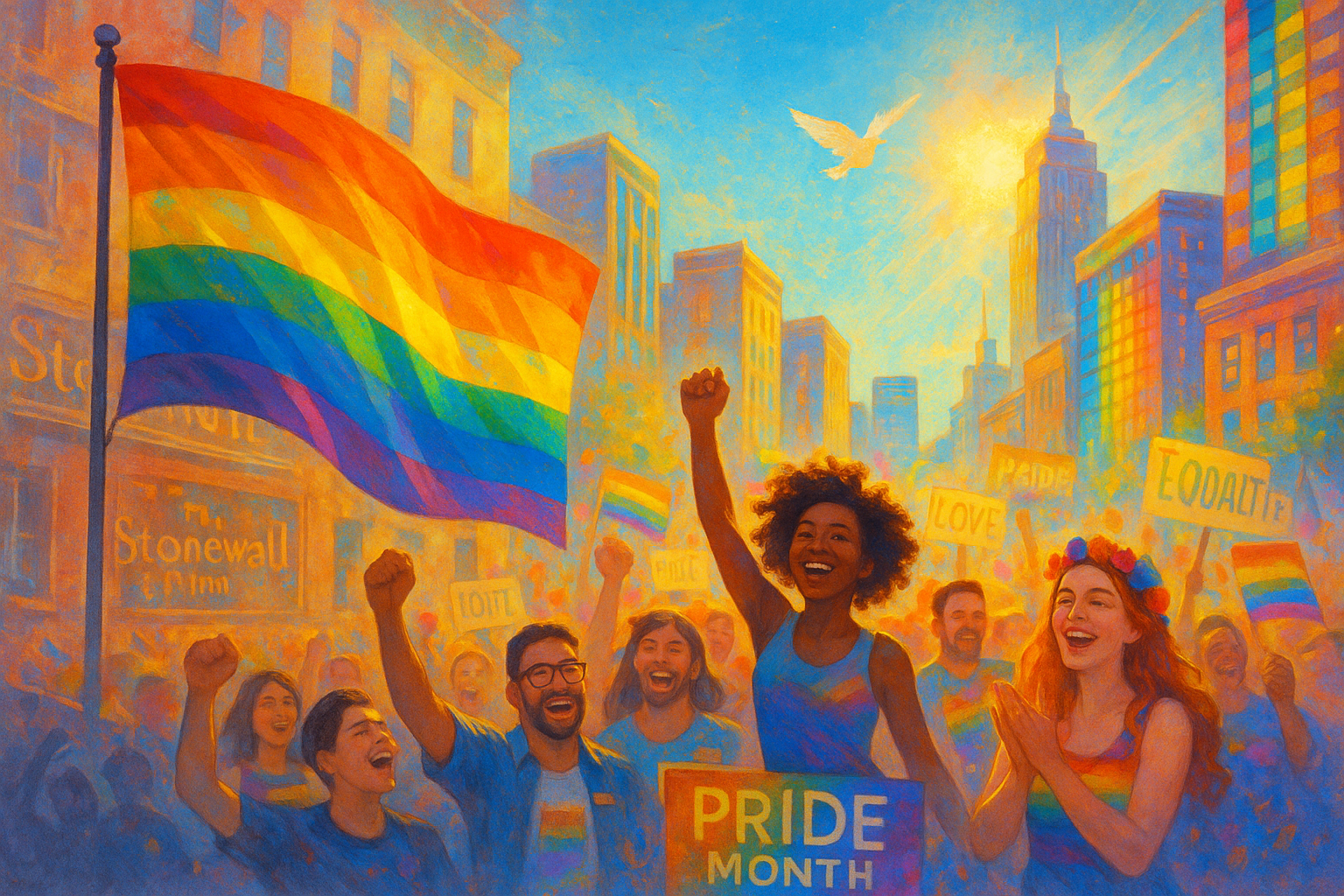
Every June, cities worldwide explode in a kaleidoscope of rainbows and festivities as communities come together to celebrate Pride Month. But amid the joyous atmosphere, it’s essential to remember that Pride began as a protest. The Stonewall Riots of 1969 were a pivotal moment in the LGBTQ+ rights movement, igniting the ongoing struggle for equality. Today, Pride stands as a testament to both the triumphs achieved and the battles still to be fought.
The Evolution of Pride: From Protest to Parade
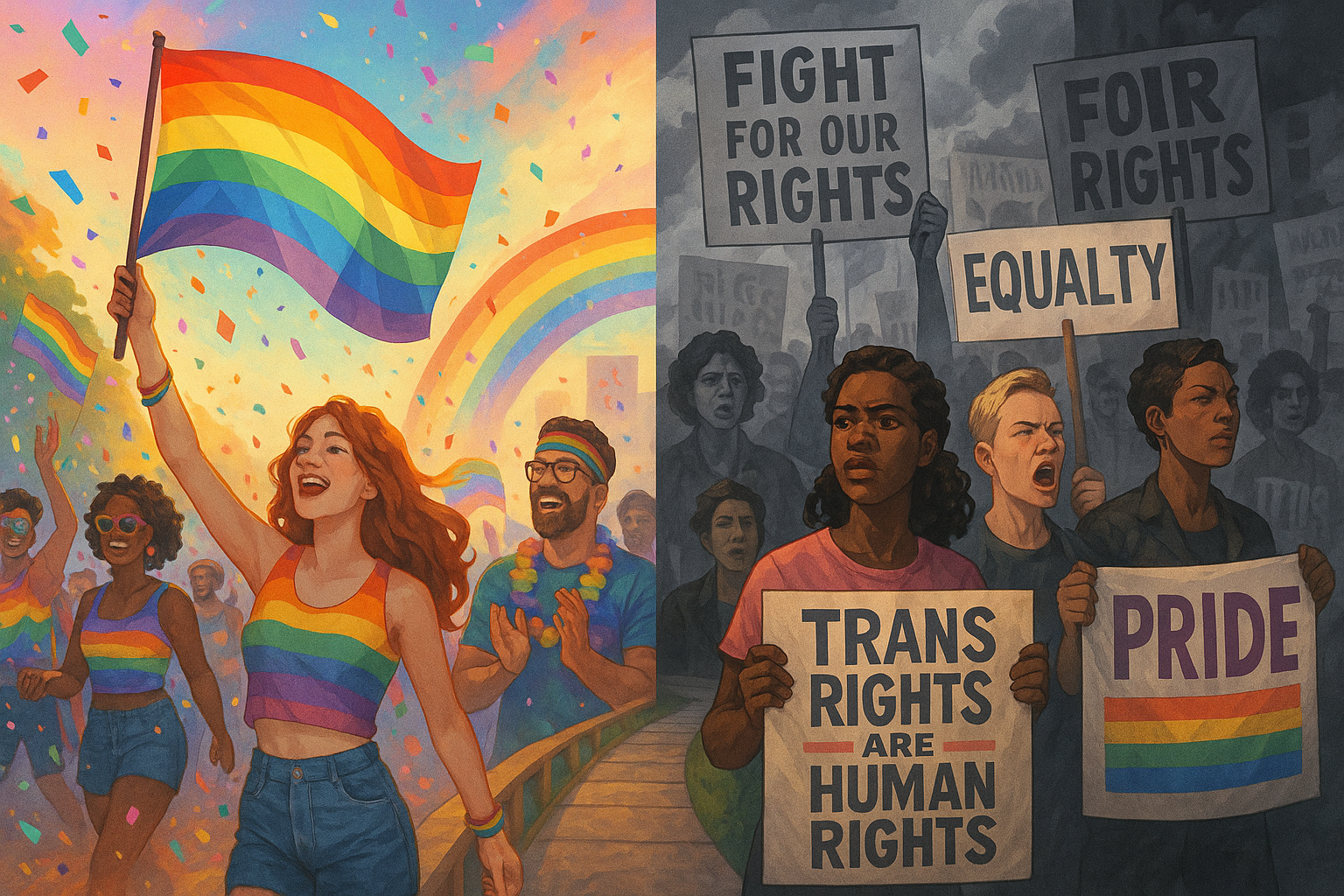
Pride has undergone significant transformation since its inception. Initially, it was a means for marginalized voices to demand recognition and rights. Early Pride marches were raw, powerful protests against oppressive systems. Over the decades, as acceptance grew, Pride events evolved into celebrations, bringing visibility to LGBTQ+ identities and fostering a sense of community.
However, this shift has sparked debate: has Pride become too commercialized, losing its original spirit of resistance? It’s a question worth pondering as corporate logos flood parades, and social media platforms capitalize on rainbow-themed content. The challenge lies in ensuring Pride remains grounded in its activist roots while embracing its celebratory nature.
The Importance of Activism in Pride
Activism remains a core component of Pride because the fight for equality is far from over. Discrimination, violence, and inequality persist, reminding us that the struggle continues. Pride provides an invaluable platform to amplify these issues, advocate for policy changes, and honor those who paved the way.
It’s a call to action, urging participants to engage in meaningful dialogue, support LGBTQ+ organizations, and stand in solidarity with marginalized groups within the community. By emphasizing activism, Pride can catalyze lasting change, ensuring no one is left behind.
Celebrating Achievements: Why Celebration Matters
Celebrating achievements is equally important. It’s about acknowledging how far we’ve come and the victories won. Celebrations provide a space for joy, unity, and individual expression, reinforcing the idea that love, in all its forms, should be celebrated.
Moreover, celebrating successes can inspire others, showing that activism yields results. It instills hope and resilience, essential ingredients for any movement seeking to dismantle systemic oppression. Plus, let’s face it, who doesn’t love a good parade and the chance to don their most fabulous outfit? 🎉
Finding the Balance: Tips for Organizers
For Pride organizers, achieving a balance between celebration and protest involves careful planning. Here are some tips:
1. Incorporate Educational Elements: Host workshops, panels, and discussions alongside parades to educate attendees about ongoing issues.
2. Prioritize Inclusivity: Ensure events represent the diverse spectrum of the LGBTQ+ community, giving voice to underrepresented groups.
3. Collaborate with Activists: Partner with grassroots organizations and activists to maintain a focus on pressing issues.
4. Encourage Participation: Invite attendees to participate in activism, such as signing petitions or joining protests, to foster a sense of involvement.
FAQs
Q: Why is Pride celebrated in June?
A: Pride Month is celebrated in June to commemorate the Stonewall Riots, which occurred at the end of June 1969, marking a significant turning point in the LGBTQ+ rights movement.
Q: How can someone participate in Pride if they can’t attend events?
A: You can support Pride by educating yourself on LGBTQ+ issues, donating to LGBTQ+ organizations, advocating for policy changes, and showing support online.
Q: What are some ongoing issues the LGBTQ+ community faces?
A: The community continues to face discrimination, violence, healthcare disparities, and legal challenges, especially for transgender and non-binary individuals.
Conclusion
Pride serves as both a celebration and a protest, a duality that underscores its importance in the ongoing fight for equality. By embracing both aspects, we honor the past, celebrate the present, and strive for a future where everyone can live authentically and without fear. As we march forward, let us carry the spirit of Pride in our hearts year-round, combining joy with justice, and celebration with change.